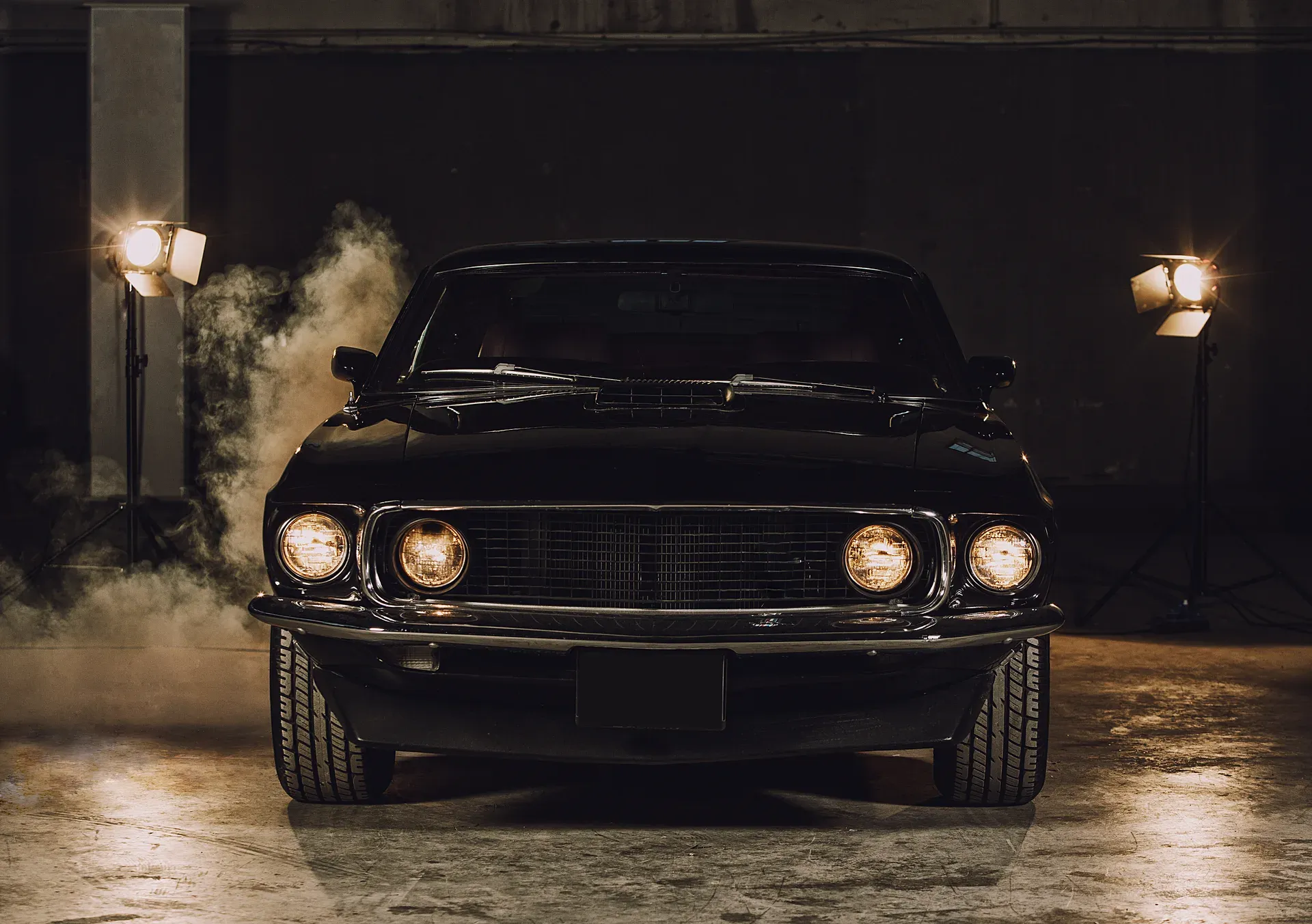
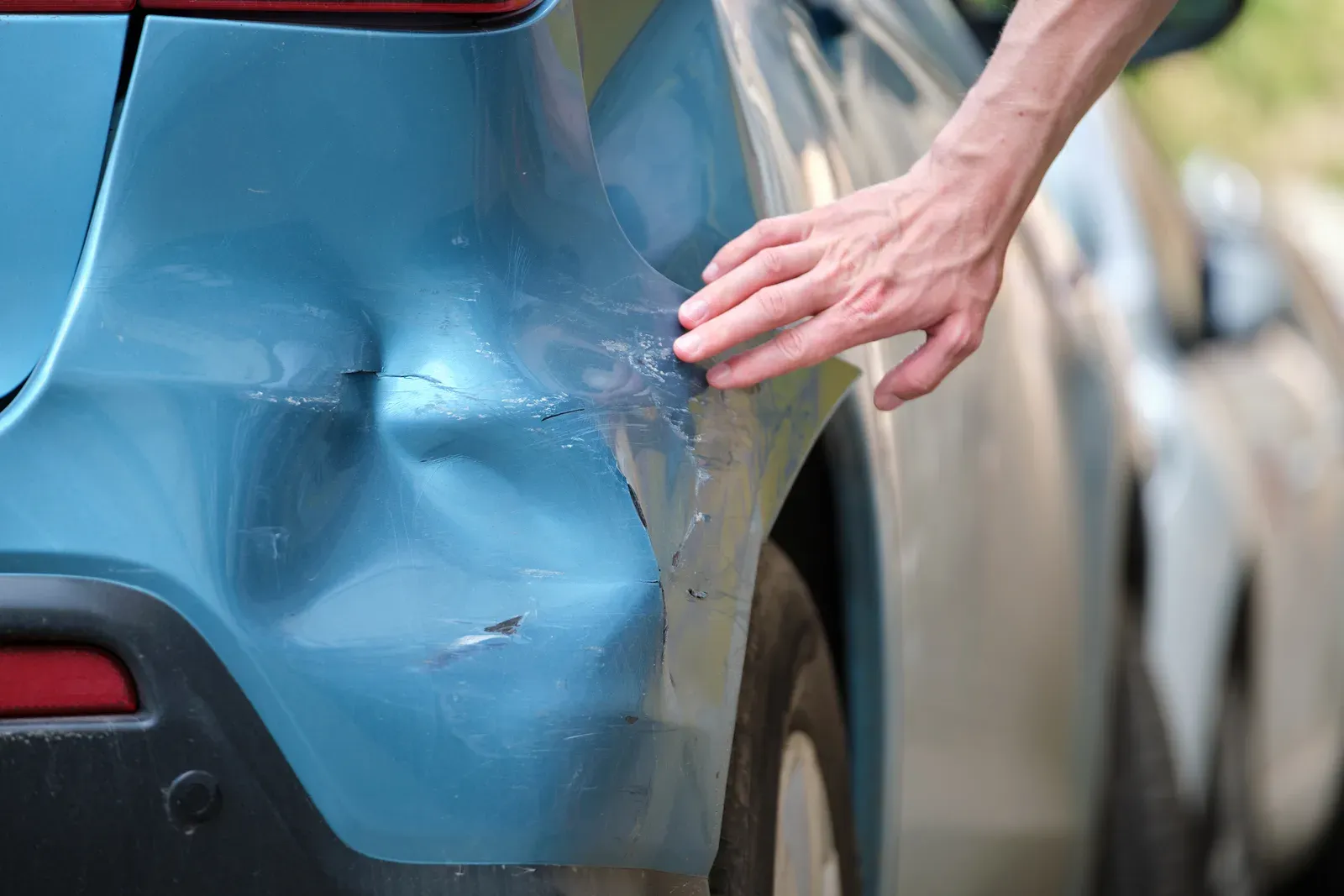
Yes, some shops really do turn older cars away
Call around with a dented fender on an aging sedan and you may hear “we’re not taking those right now” more than once. It’s rarely said plainly, but it happens: schedule slots at volume shops flow toward newer insurance work, where parts arrive fast and the estimate math is predictable.
Older cars complicate that math. Panels may be discontinued, trim takes hunting, and when insurance is involved the repair cost can brush against the car’s value, turning a straightforward job into paperwork. None of that is your fault — but it explains the lukewarm receptions.
Knowing the reason helps you shop. You’re not looking for charity; you’re looking for a shop whose economics and attitude have room for the car you actually own.
The pattern has a season, too. After big storms, backlogs push shops toward their highest-priority work, and older-car cosmetic jobs are the first thing quietly waved off. If you’ve felt brushed off lately, it may be the calendar as much as the car.
When body work on an older car makes sense
Safety and protection come first at any age: lamps that aim correctly, doors that latch and seal, structure that measures straight, and rust caught before it perforates the panel. Repairs in that category protect the car’s function and stop damage from compounding, which is different money than chasing showroom looks.
Cosmetics are a choice, and an honest shop frames them that way. A scuff on a long-serving commuter can be lived with; exposed bare metal cannot, because Minnesota winters turn it into spreading rust. The line between “fix now” and “your call” is whether the damage is sealed.
Keeping a paid-off car on the road is often the smartest money a household spends, and the repair just has to be scoped to the car. That’s a conversation, not a formula — and it’s one we have every week.
Rust deserves its own sentence in any older-car plan. We repair it where it’s caught before perforation — rockers, arches, chips gone brown — but insurance policies treat corrosion as wear, so that work is an out-of-pocket decision. Catching it early is what keeps the decision small.
Function fixes punch above their weight on an aging car, too: a fender liner that stops salt spray, a door that seals out water, a headlight aimed where it should be. Modest work, real protection.
Parts realities past the warranty years
On newer vehicles our default is OEM parts, and we push insurance companies hard to approve them. On an older car the conversation gets more nuanced, because some factory panels are discontinued and others are hard to justify against what the job needs.
That’s where recycled and quality aftermarket parts earn a place — always with your consent, in writing, never as a quiet substitution. A clean recycled door from the same generation, inspected before it goes on, is often the honest choice for a cosmetic repair.
What matters is that you hear the options and make the pick, instead of discovering the decision on the final invoice. A shop comfortable with older cars will volunteer this conversation; a shop that isn’t will dodge it.
Expect timelines to breathe a little as well. Parts for discontinued models come from further away, and an honest shop says so up front rather than promising a newer car’s schedule. What you should never hear is silence — sourcing updates are part of the job.
The worth-it conversation we’ll actually have
Sometimes the right advice is “don’t spend it,” and we give that advice with the estimate attached so you can see the reasoning. If a full cosmetic restoration doesn’t make sense against what the car is worth, we’ll say so — and show what a scaled-down version looks like: fix the safety items, seal the exposed metal, skip the perfection.
Phased repairs are the other tool. Handle what protects the car this season and schedule the cosmetic work for whenever it suits your budget. An estimate broken into stages costs nothing here, and it turns an all-or-nothing decision into a plan.
That honesty isn’t charity; it’s how a small shop protects its name. Talking a customer out of a bad repair costs us a ticket and earns us the next three cars in that driveway. The review page is full of exactly that arithmetic.
Bring the car’s history if you have it, too — past repairs change what’s worth doing next, and the conversation gets sharper with the folder open.
How to vet any shop for older-car work
The tells all show up in the first conversation. A shop that welcomes older cars quotes yours without sighing at the model year, talks parts sourcing in the open, and offers to phase the work before you ask.
Bring us the car and the honest version of your budget, and you’ll get the honest version of the repair back. If the right answer turns out to be a smaller job than you expected — or no job at all — that’s exactly what you’ll hear at this counter.
The first phone call tells you most of it, and the estimate tells you the rest. Ours are free, written, and returned within the hour when you start from photos — so finding out where your older car stands costs nothing but the pictures.
- They quote the car you have, not the car they’d rather be fixing
- Used and aftermarket options come up in writing, with your consent
- A phased estimate is offered without you having to push for it
- They’ll say plainly when a repair isn’t worth your money
- The paint warranty doesn’t shrink with age — ours stays lifetime, in writing