
What happens if my car is worth less than the repair?
Quick answer
Your insurance will most likely declare the vehicle a total loss and pay you its actual cash value minus your deductible, instead of paying for repairs. From there you can accept the offer, negotiate the value, or in many cases keep the vehicle with a reduced payout and a salvage-branded title.
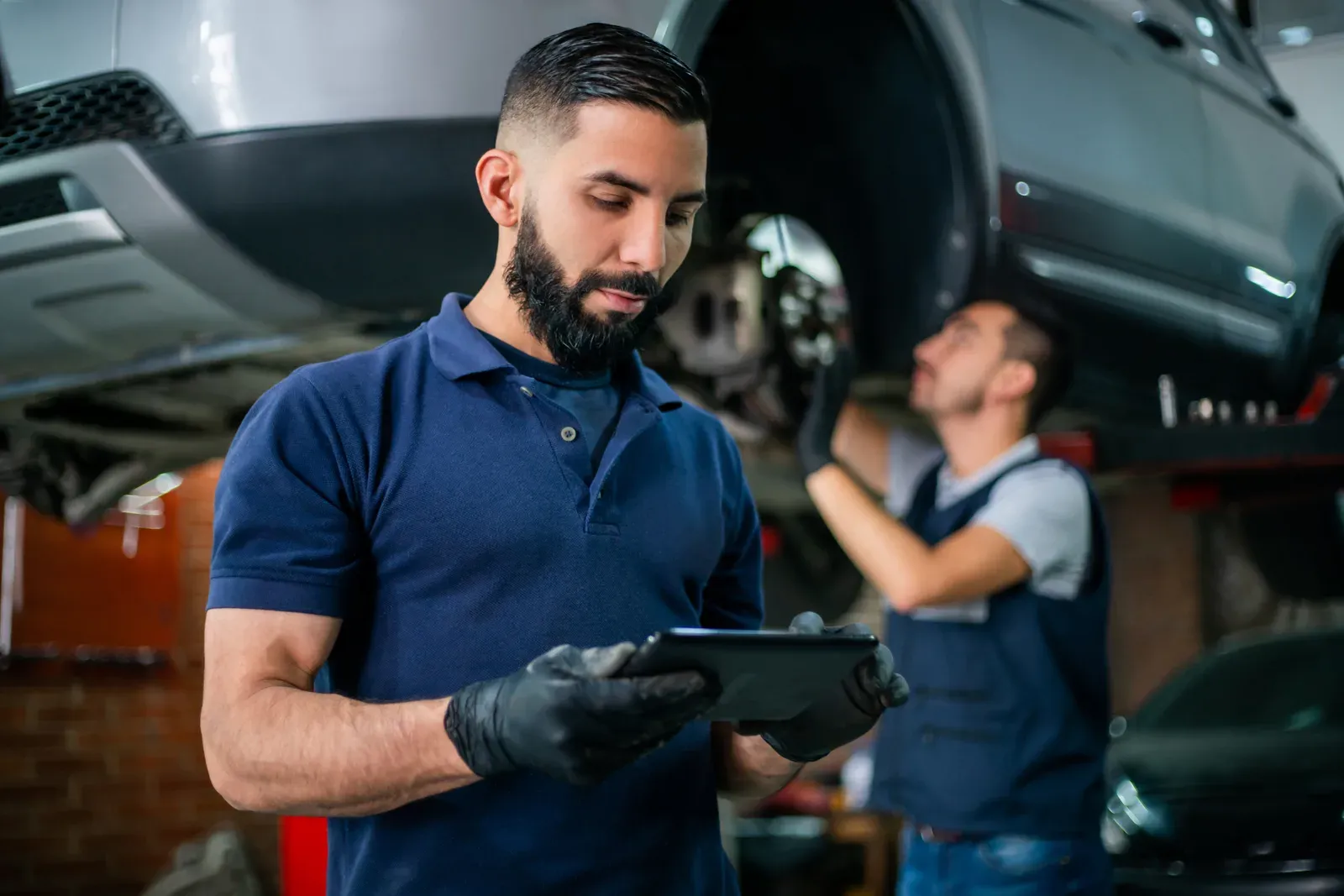
What your insurance does
Once the repair estimate — plus expected supplements, and sometimes minus what the wreck can be sold for at salvage — passes the vehicle’s market value, repairing stops making financial sense to the company paying for it. They pay you the value of the car instead and take the car.
The number they use is actual cash value: what your specific vehicle, at its mileage and condition, was worth on the local market the moment before the crash. It is not what you paid, not what you owe, and not what a replacement costs you at a dealer.
This surprises people most on older vehicles that run well. A fifteen-year-old car with new tires, a recent timing service, and no rust may be worth far more to you than the market says it is worth, and the settlement is written to the market. That gap is real and it is not something the shop or the adjuster controls.
It also means a relatively modest repair can total an inexpensive vehicle. A bent structural rail or a deployed airbag system on a car worth a few thousand dollars will usually exceed the value, even though the same damage on a newer vehicle would be repaired without discussion.
Your three options
When the offer arrives, you generally have these paths:
- Accept the settlement — the insurance pays actual cash value minus your deductible, keeps the vehicle, and you go buy a replacement
- Negotiate the value — request the valuation report, check the comparable vehicles for trim and mileage errors, and support a higher figure with local listings and maintenance records
- Keep the vehicle — the salvage value is deducted from your payout, you retain the car, and the title is branded
- Invoke the appraisal clause — most policies include a formal process when you and the insurance company cannot agree on value
Keeping the car and what a salvage title means
Keeping a totaled vehicle can make sense when the damage is largely cosmetic, when you can do some of the work yourself, or when the car is worth more to you than to the market. You receive the settlement minus what the insurance company would have gotten at salvage auction.
Understand the trade-off before you sign. Minnesota governs salvage and branded titles under Minn. Stat. § 168A.151, and a branded title follows the vehicle permanently. It reduces resale value substantially, some insurance companies limit the coverage they will write on a rebuilt vehicle, and there is an inspection and paperwork process before the vehicle can be titled and driven again.
Also be realistic about the repair. A car totaled for structural damage may not be safely or economically repairable at all, regardless of what the payout looks like.
If there is a loan or lease on the vehicle
Your lender gets paid first out of the settlement. If the vehicle is worth more than the balance, you receive the difference. If you owe more than the vehicle is worth — common in the first couple of years of a loan — you are responsible for the shortfall unless you carry gap coverage.
Gap coverage pays that difference and is often bundled into the financing or available as an inexpensive policy add-on. Check your paperwork before you assume you do not have it; plenty of people carry it without remembering.
On a lease, the leasing company is the owner and receives the settlement, and most leases require gap protection. Read your lease agreement for what you owe on an early termination caused by a total loss — that number is not always the same as the vehicle value.
If you want to repair it anyway
You can pay for the repair yourself, or take the payout and put it toward a repair. Whether that is wise depends entirely on what kind of damage totaled the car.
Cosmetic and bolt-on damage on an otherwise healthy vehicle is often worth repairing, especially if the car is mechanically sound and you were not planning to sell it. Structural damage, deployed airbags, and flood or fire damage generally are not — the cost climbs fast and the finished vehicle carries a branded title anyway.
Send us photos and we will write the honest estimate free within 24 hours, and tell you plainly which category your vehicle is in. If the answer is that repairing it does not make sense, we would rather say that than take the job.
One thing to check before you settle
If another driver caused the crash, ask about the additional losses their liability coverage may owe beyond the vehicle value — reasonable rental or loss-of-use during the claim period, and applicable sales tax and title fees on a replacement. These are commonly included but not always volunteered.
Also keep your documentation. The repair estimate, photos of the damage, and service records are what make any value negotiation credible, and they are much harder to assemble after the vehicle has been hauled away.
Before the vehicle leaves, do these:
- Photograph the whole vehicle inside and out, including the odometer and any recent upgrades
- Remove every personal item, including from the trunk, glovebox, and under the seats
- Take the license plates and remove any toll or parking transponder
- Cancel or transfer the registration as required, and keep the title paperwork organized
- Note recent major maintenance — tires, brakes, timing service — since it supports a higher value
- Confirm in writing when your rental coverage ends