
Why aluminum doesn’t respond to steel techniques
Steel is a forgiving metal to repair. It has a kind of memory — push a dent out with the right technique and the panel wants to return to its stamped shape. Aluminum doesn’t cooperate that way. It work-hardens as it’s moved, meaning every hammer pass makes the metal stiffer and more brittle, and a technician who keeps working it the way steel tolerates will eventually crack the panel instead of straightening it.
Temperature matters more too. Aluminum dent work often calls for controlled heat to relax the metal before it’s shaped, and the window between enough heat and too much is narrower than on steel. Even the basic tools change: magnetic dent fixtures are useless because aluminum isn’t magnetic, so pulling a dent means gluing or welding tabs onto the panel surface instead. A shop that reaches for its steel routine on an aluminum bedside will make the damage worse.
One truck, two metals
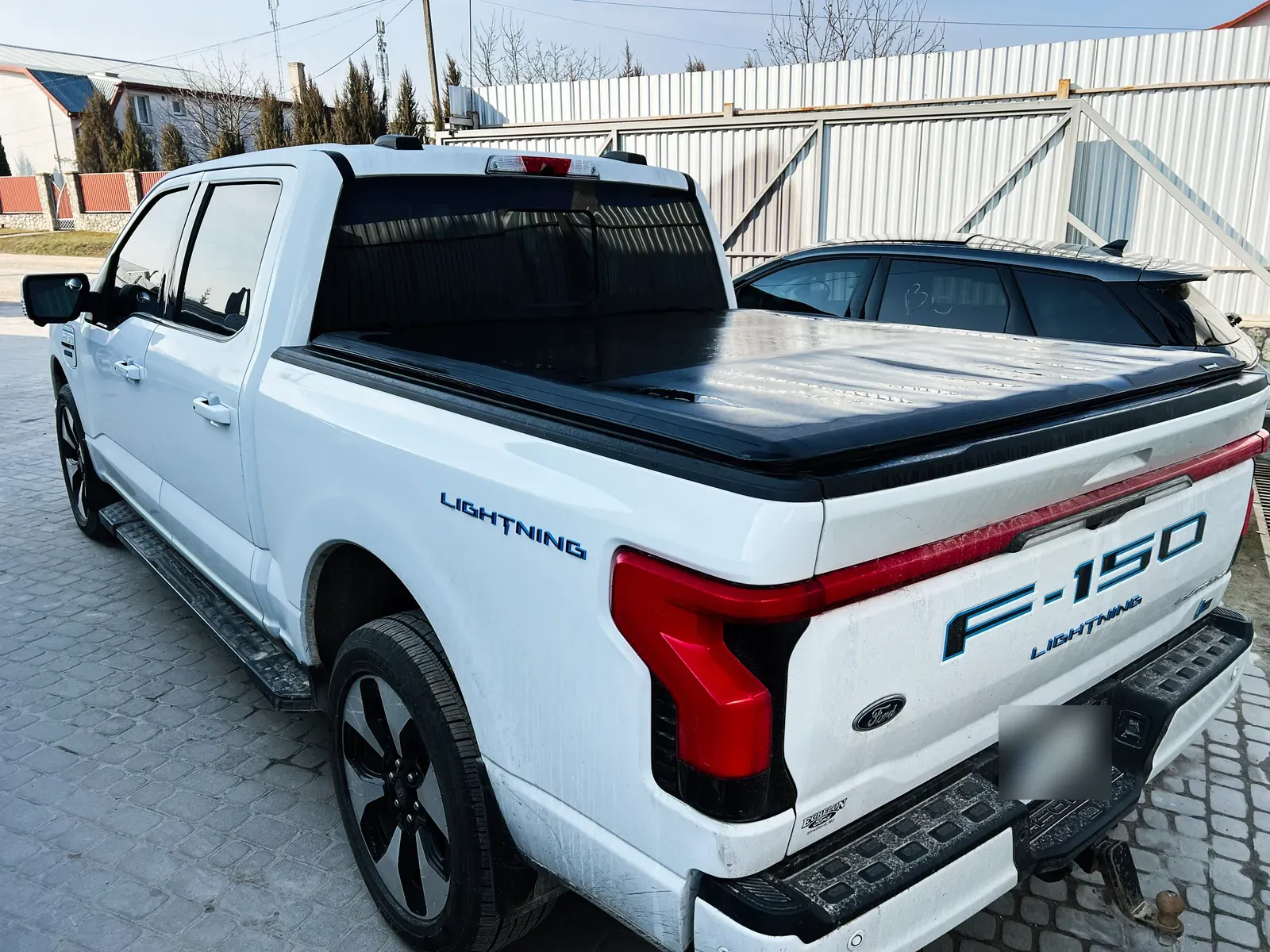
The best-known example is the Ford F-150, whose body panels — hood, doors, fenders, bed — have been aluminum for years while the frame underneath stays high-strength steel. Plenty of other trucks and SUVs mix materials the same way: aluminum hoods and liftgates on steel bodies, or aluminum closures over a steel cab. You can check any panel yourself with a fridge magnet — it grips steel and slides off aluminum.
That mix is exactly why the repair plan has to identify the material before anyone touches the truck. A frame pull on the steel chassis follows one set of procedures, measured on our laser system against factory dimensions, while the aluminum box above it follows another. Teardown-first estimating catches this early, so the parts order and the labor plan reflect what the truck is actually made of.
Aluminum earned its place on trucks for a straightforward reason: it takes serious weight out of the largest panels a vehicle carries, which pays back in payload and efficiency. That’s why hoods and tailgates went aluminum on many models even where the rest of the body stayed steel. The repair takeaway is that the badge tells you nothing — the same nameplate can mix materials differently across generations, so we verify the metal panel by panel rather than assuming.
Separated tools, or the repair corrodes
Here’s the trap most people never hear about: steel and aluminum can’t share tools. Grinding steel fills the air and the tool surfaces with fine steel dust, and when those particles embed in bare aluminum, the two metals form a tiny electrical couple that eats the aluminum from the inside. The industry calls it galvanic corrosion, and it can show up as bubbling under fresh paint long after the truck went home looking perfect.
The correct procedure is physical separation — dedicated grinders, sanders, blocks and hand tools reserved for aluminum, kept away from where steel is being worked. When we take on aluminum panel work, that separation is part of the job, the same as masking before primer. It isn’t glamorous, but it’s the difference between a repair that lasts and one that fails a few winters in.
Rivets and adhesive where welds used to be
Truck makers don’t assemble aluminum bodies the way steel bodies were welded together. Panels are joined with self-piercing rivets, flow-drill screws and structural adhesive, and the published repair procedures specify which fastener goes where, in what sequence, with which adhesive. Replacing a bedside or a door skin means following that recipe, not improvising with a spot welder.
Welding aluminum is possible, but it demands its own equipment — different wire, different feed setup, different settings — and the procedures limit where welds are acceptable. This is one of the reasons repair-versus-replace decisions tilt differently on aluminum trucks: a panel that would be metal-finished on a steel car is sometimes smarter to replace on an aluminum one, because the joining method is engineered and repeatable.
The joints between aluminum and steel get special treatment of their own. Wherever the two metals meet — an aluminum box over a steel frame, an aluminum hood on steel hinges — the factory isolates them with coatings, barrier layers or adhesives so they can’t react with each other. A repair that disturbs those interfaces has to restore the isolation, not just bolt the parts back together. It’s a small line on an estimate and a large difference in how the truck survives Minnesota winters.
Why some shops decline aluminum trucks — and what to ask instead
Dedicated tools, separate work practices and rivet-bonding equipment are an investment, and shops that never made it will quietly turn aluminum trucks away or, worse, take the job and treat the metal like steel. Neither outcome helps you. We repair trucks of every make with the correct procedures for the material in front of us — we don’t claim any manufacturer’s certification, and we’d be skeptical of a shop that leans on a logo instead of explaining its process.
So ask process questions. How will the shop keep steel dust away from your aluminum panels? How will the bedside be joined — rivets and adhesive per the procedure, or something improvised? Will the frame be measured before and after any pull? A shop that answers plainly is a shop that has actually done the work. Bring the truck by, or send photos and get a written estimate within an hour.