Why structural damage needs measuring, not judgment
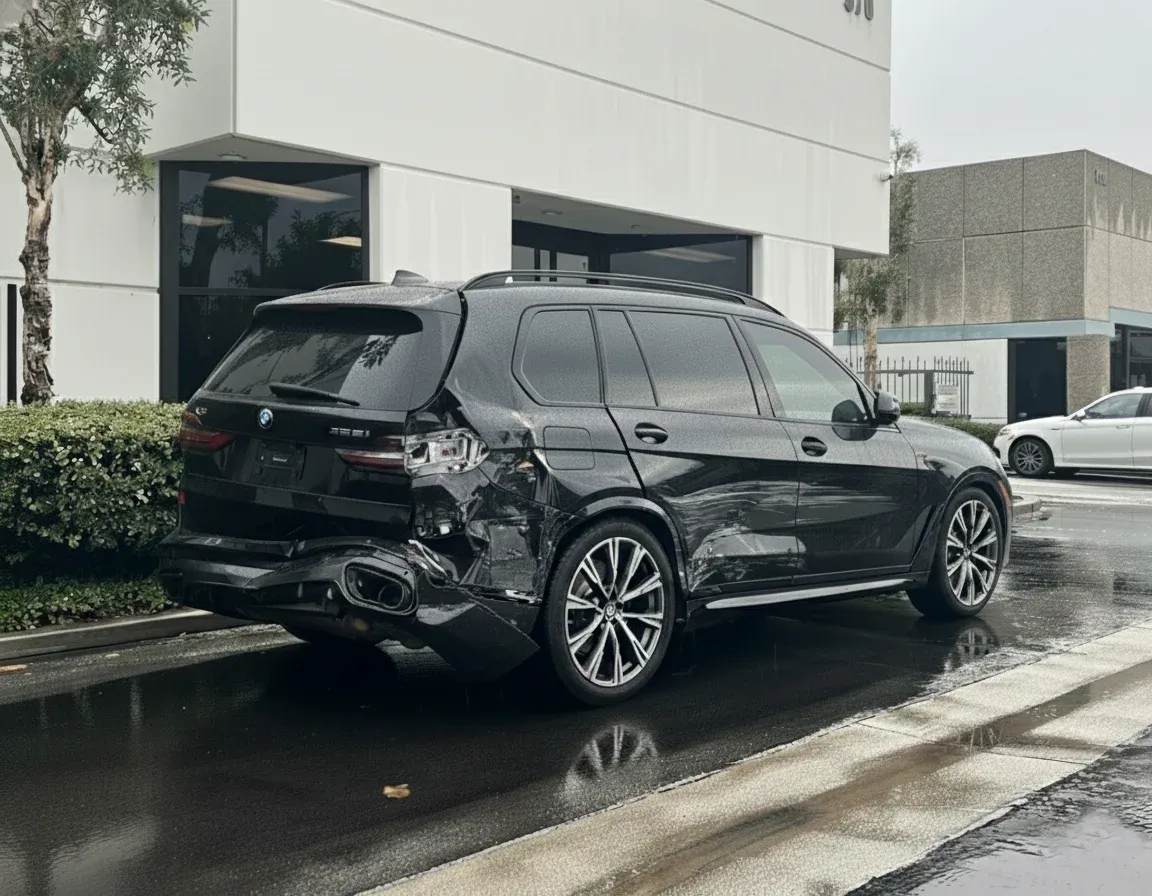
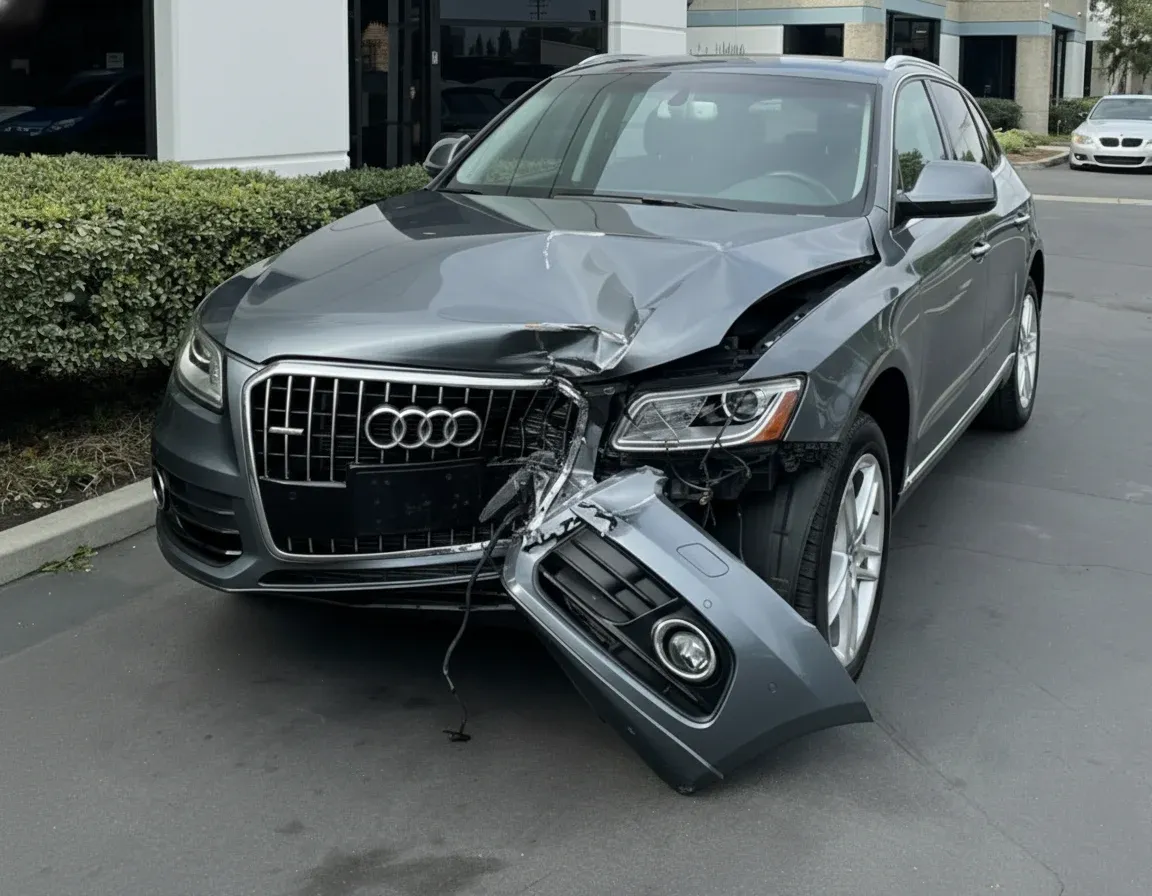
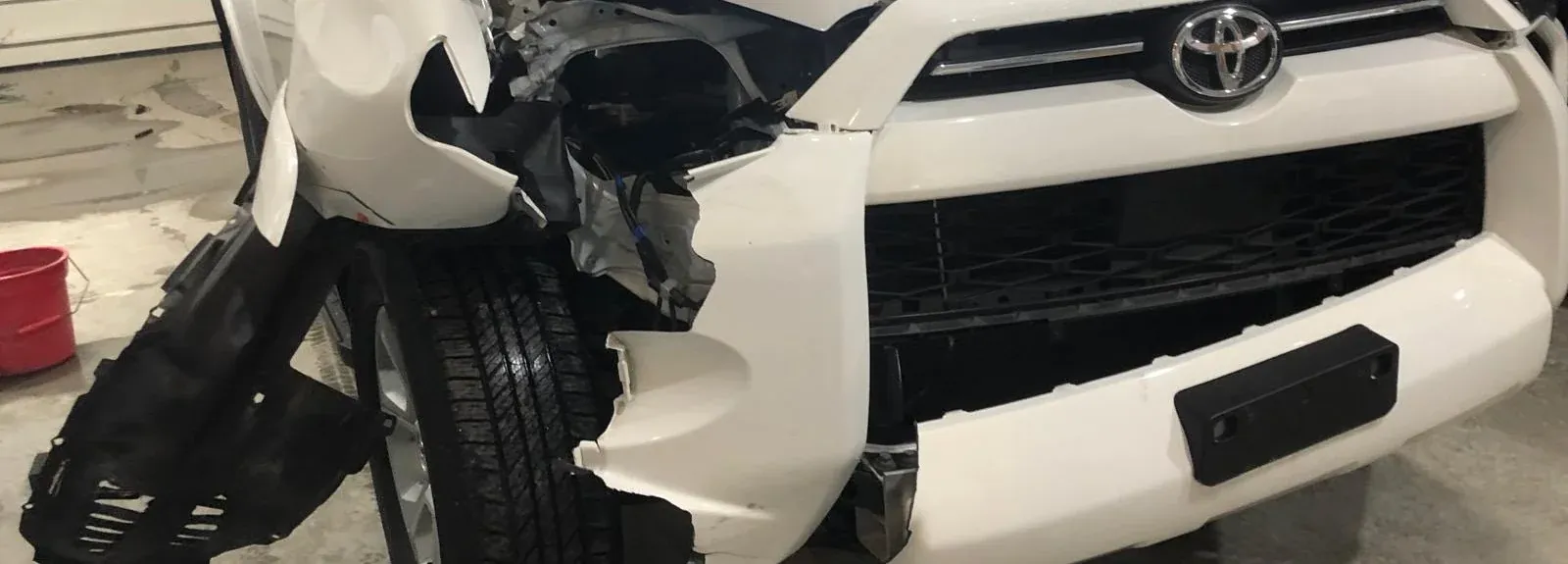
A unibody vehicle is engineered to absorb a crash by deforming in specific places, which means damage travels well past the panel that got hit. A front impact can shorten a rail, twist a strut tower, or move the point a suspension arm bolts to by an amount you cannot see and a tape measure cannot reliably find. The car can look straight, close its doors, and still be out of position.
That matters because everything else assumes the structure is where the manufacturer put it. Alignment angles, sensor mounting points, headlight aim, panel gaps, and how the vehicle behaves in the next collision all depend on factory geometry. Measuring turns "does it look right" into a set of numbers compared against the published specification for your exact model. Numbers can be checked by somebody else afterward, and they can be handed to an adjuster. An opinion can be neither.
How a structural repair runs here
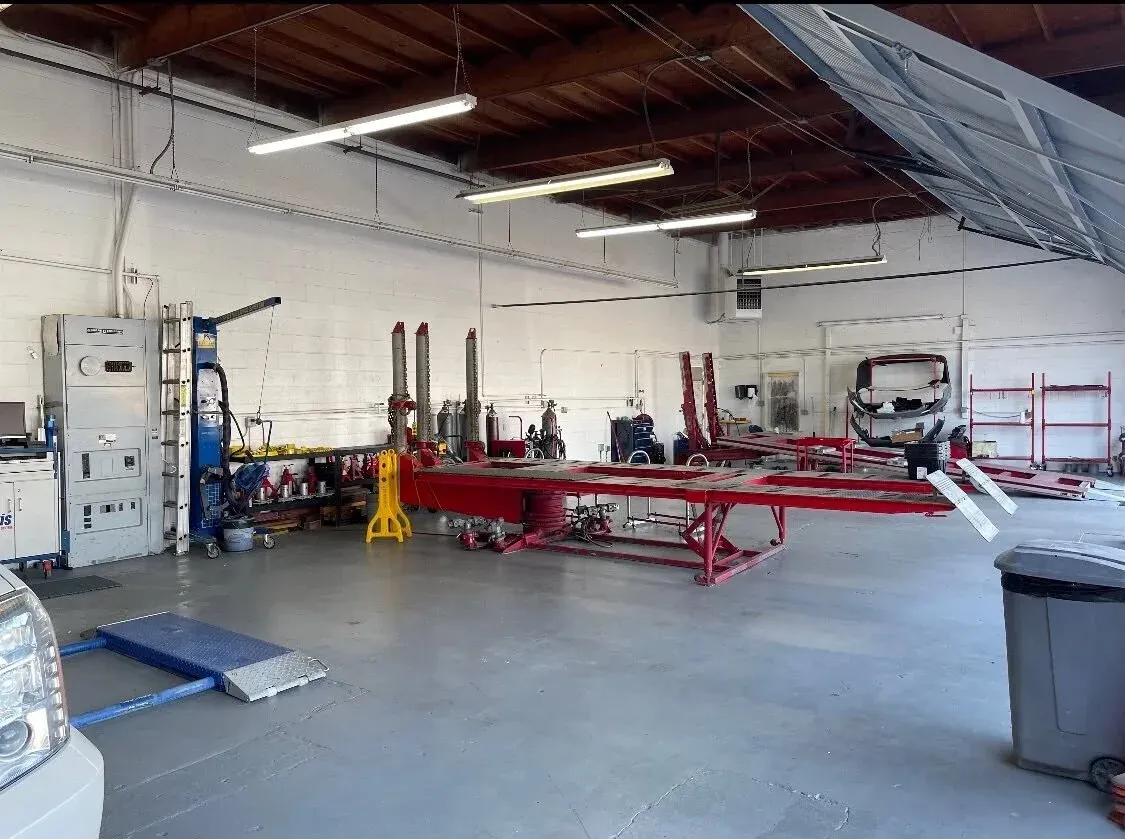
The vehicle is anchored to the frame machine so it cannot shift, and reference points underneath are measured against the factory data for that model. The reading shows direction and amount — which points moved, and where they need to return to. Nothing is pulled before that picture exists, because a pull made in the wrong direction adds damage instead of removing it. Anchoring matters as much as measuring — a vehicle that shifts under load produces readings describing the tie-down rather than the damage.
Pulls are made gradually with the measuring system live, so the structure is watched as it comes back rather than checked afterward. Metal stretched past what it can recover is replaced at factory seams rather than straightened, following the manufacturer repair procedure for that section. Once the structure is in position it is measured again, and those readings are saved with your repair file. You are welcome to a copy — on a vehicle you intend to keep or sell, that record is worth having.
- Vehicle anchored to the frame machine at factory hold-down points
- Reference points measured against the manufacturer specification
- Direction and amount of movement documented before any pull
- Controlled pulls with measurements taken as the structure moves
- Final measurement recorded, then suspension and alignment checked
What we will tell you straight
Not every structural repair is worth doing, and we say so. When the cost of returning a vehicle to specification approaches what the vehicle is worth, that is a total loss conversation with your insurance company, not a repair anyone should be talking you into. You get the measurements and our reading of them, and you decide with real information in front of you. What we will not do is start a repair we already doubt the vehicle can carry, then hand you the bad news halfway through it.
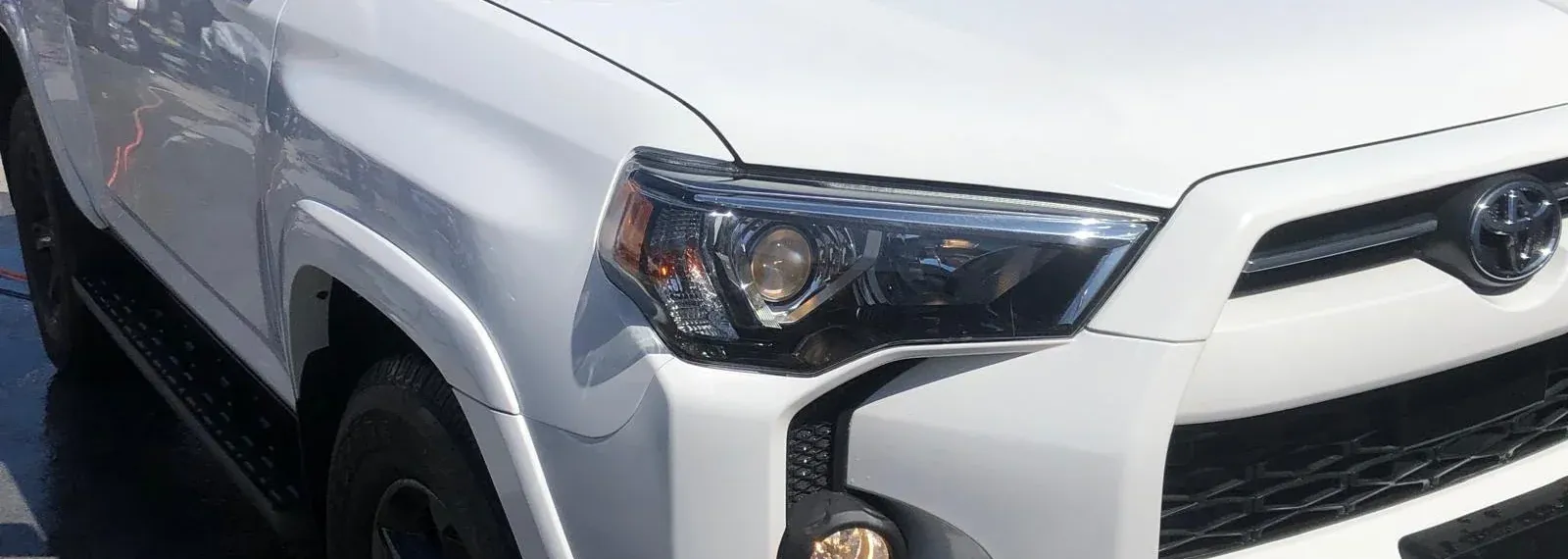
The opposite case is more common. An estimate written from photos treats an impact as cosmetic because the visible damage is a bumper cover and a fender, then teardown and measurement find the rail behind it. We document that with the readings, file the supplement, and the repair gets written correctly — which is the difference between a car that drives straight afterward and one that chews through tires.