
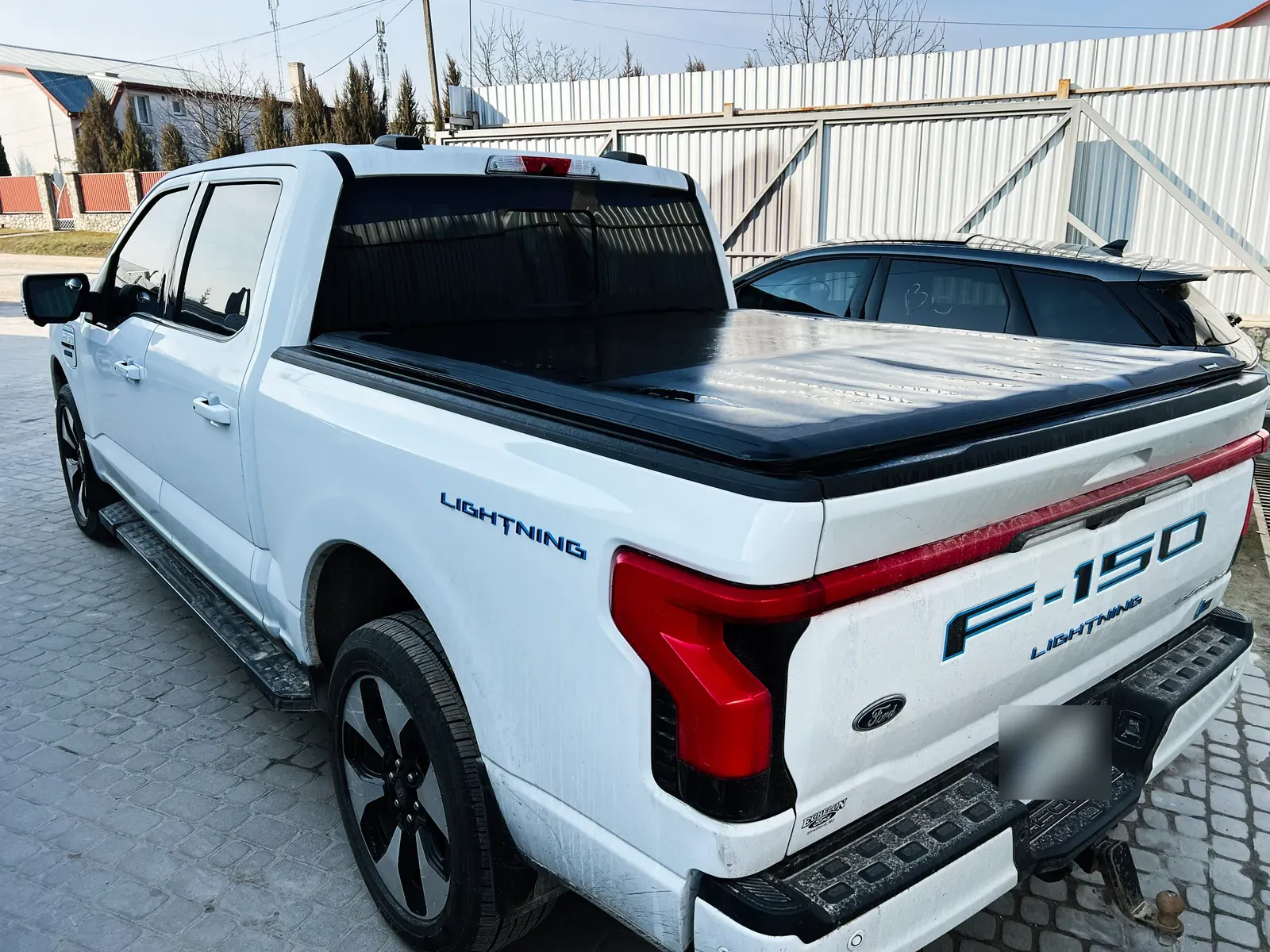
Tailgate dents: fix the skin or swap the gate
A tailgate is one of the friendliest panels on a truck to repair because it unbolts. That opens three paths. Shallow dents in the outer face can often be worked out and refinished, or in the right cases handled with dent removal without repainting. Deeper damage can sometimes be solved with a new outer skin over the original frame. And when the gate is creased through or the inner structure is bent, a replacement gate — new or clean used — is usually the straightest line.
What changed in recent years is everything living inside that gate. Backup cameras sit in the handle area, some trucks put parking sensors and release electronics in the gate, and multi-function gates add steps, dampers and split-opening hardware. Those parts move with the gate, they have to come across to a replacement, and anything camera-related needs a function check before delivery. A tailgate quote that ignores the electronics is a quote that will grow later.
One modern wrinkle worth knowing: tailgates have become theft targets in some areas precisely because they unbolt easily and resell well. If yours vanishes from a driveway or job site, that’s a conversation with your insurance company about your comprehensive coverage, and the shop side runs the same as a damaged gate — source a replacement, transfer the hardware, refinish to match, and verify the camera before handover.
Bedside damage is a bigger decision
Unlike the gate, a bedside is a large welded stamping — closer to a quarter panel than to a door. Small and medium dents are honest metal-repair work. Long creases, tears, or damage that wraps the wheel opening push toward replacing the bedside, which means cutting the old panel away and welding or bonding the new one in along factory-approved seams. On severe hits, swapping the entire box for a straight used one can beat panel surgery on both cost and quality.
Which route is right depends on the truck’s material and your standard. Steel bedsides tolerate more metal work; aluminum ones work-harden and tilt sooner toward replacement, which we cover in our aluminum truck guide. Either way, we’d rather show you two written options than pretend there’s only one answer.
Insurance enters the picture when the damage came from a covered event — another driver, a slide-off, a falling branch. Bed damage is estimated like any other panel work, and teardown-first estimating earns its keep here because hits to the box often extend into the floor or crossmembers where a windshield-glance quote never looks. Paying out of pocket instead? The written estimate separates what protects the truck from what just makes it prettier, so you decide with real information.
Liners, covers and accessories change the plan
A spray-in bedliner is bonded to the metal, so repairing the panel behind it means cutting the liner back cleanly and re-spraying that section after the metal and paint work is done — a coordination step that belongs on the estimate from day one. Drop-in plastic liners are easier to remove but famous for hiding damage: they trap grit and moisture against the paint, and the scratches underneath become rust starters in Minnesota salt.
Tonneau covers, bed racks and toolboxes all mount to the rails and bedsides, and they have to come off and go back on straight. If a rack absorbed part of the hit, its mounting points deserve inspection too. Bring the accessories up when you send photos for your estimate — it saves a supplement conversation later.
Salt belongs in this conversation as much as impacts do. A bed takes the worst of a Minnesota winter — slush shoveled out, salty melt pooling at the seams, every load leaving scratches that become entry points. When we repair a bed panel, the protection that goes back on matters as much as the finish: seam sealer where panels meet, coating inside the wheel openings, and primer chosen for bare-metal durability rather than speed.
Work truck or show truck: pick your standard
Not every truck needs a flawless bed, and we’ll say so. If the truck hauls mulch and ladders, the priorities are honest: keep water out, stop rust from starting at bare metal, keep the gate latching and the camera working. Cosmetic perfection on a panel that will earn new scars next month is your call, not a requirement, and a phased plan — protect the metal now, refinish later if ever — is a legitimate way to spend less.
A show truck or a late-model truck headed for trade-in flips the logic. There the finish is the point, so blending, texture match on any liner edge, and panel-gap fit at the gate all get the full treatment. Tell us which truck yours is. The estimate should serve the way you use it, and a written estimate from photos takes under an hour.
Aluminum beds play by their own rules
If your truck has an aluminum box — most famously the F-150 — every option above gets filtered through different metallurgy. Aluminum dents work-harden as they’re massaged, magnetic tools are off the table, and repairs need tools kept separate from steel work so embedded steel dust doesn’t set up corrosion under the new paint. Bedside replacement on an aluminum box follows a rivet-and-adhesive procedure rather than the weld-in approach steel uses.
None of that makes an aluminum bed unrepairable; it makes the shop’s process the thing to ask about. We repair aluminum and steel beds to the correct procedures for each, and the full story is in our aluminum truck body guide linked below.