Step one: photograph everything first
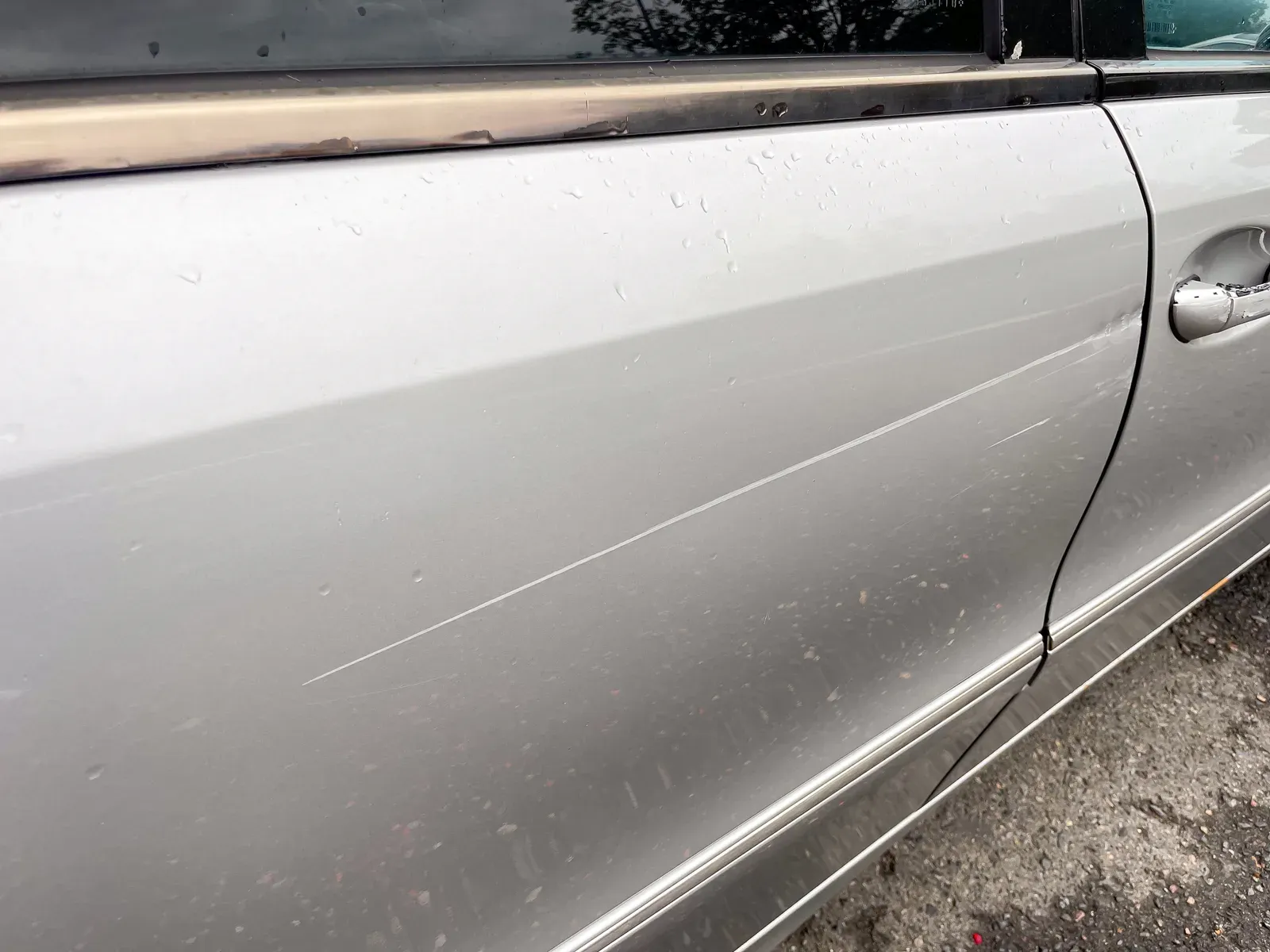
Before you rub the mark, before you wet a cloth, take pictures. Wide shots that show where the car was parked, mid-range shots showing which panel, and close-ups of the damage with a coin or key beside it for scale. If another driver, a shopping cart, or a vandal caused this, those photos are your record of what happened — and if you end up filing a claim, they are the starting point of it.
Check around the mark too. Paint from another vehicle, a cart’s gray rubber streak, or scuffing at bumper height all say something about the cause. Note the date, time, and location while it is fresh. None of this takes long, and you cannot recreate any of it after the first rainstorm or car wash.
If the car was parked at a store or your workplace, notice which security cameras face the space — footage is the one piece of evidence you cannot photograph later, and it cycles out on its own schedule whether you need it or not. You do not have to request anything yet. Simply knowing which lens saw the spot keeps that option open if the damage turns out to be worse than it first looked.
Step two: is it a scratch or paint transfer?
A surprising share of parking-lot “scratches” are the other car’s paint sitting on top of yours. Transfer looks dramatic — a streak of white or red across your door — but it is often resting on your clear coat rather than cut into it. Once the photos are taken, wipe a small section gently with a clean, damp microfiber cloth. If color starts lifting onto the cloth, you are dealing with transfer, and the odds just improved considerably.
We cover safe transfer removal in a separate guide, but the short version is encouraging: mild polishing compound takes most of it off, and what hides underneath is frequently minor. What looks like a repaint at first sight can turn out to be a quick buff.
Height is another clue worth reading. Carts, bumpers, and swinging door edges each strike your panel at a characteristic level, and matching the mark to its likely culprit tells you whether to expect hidden damage underneath. A door-edge ding at mid-panel height is almost always cosmetic; a bumper-height scrape earns a careful check for a low spot behind the streak.
Step three: test the depth
Once you know the mark is genuinely in your paint, drag a fingernail across it. Glides over: clear-coat damage, usually buffable. Catches with your paint color still showing: deeper, but a polish or small refinish handles it. Catches with gray primer or bright metal at the bottom: the panel needs real paint work, and exposed metal should not wait through a winter.
Our scratch decision guide walks each branch in detail — which fixes work at home, which need a booth, and why. The depth answer also feeds the money question, because a buff-out and a panel refinish sit at very different points on an estimate. Bring the photos rather than trusting memory at the counter; depth is exactly the detail memory smooths over.
While you decide: two things not to do
Resist the urge to fix it a little. Rubbing an unknown mark with whatever cloth lives in the trunk grinds road dust across the paint, and picking at a lifted flake of clear peels it further back. The scratch is stable; your intervention might not be. Skip the internet tricks too — solvents and household chemicals soften automotive finishes more readily than people assume. Until you know the depth, the only safe touches are a gentle wash and the damp-cloth wipe described above.
Do not take a stranger’s cash offer on the spot, either. A scuff that looks trivial in a dark parking ramp can hide a dented door edge in daylight, and once that driver pulls away, the offer usually leaves with them. Trade contact and insurance information, keep your photos, and let a written estimate set the number instead of adrenaline setting it for you.
Claim, cash, or the other driver’s insurance company
Who pays depends on what you learned. If a known driver caused it and owned up, their insurance company or their wallet should cover the repair — get their information and let a shop document the damage in writing. If the culprit is unknown, vandalism and parked-car hits generally fall under your own comprehensive coverage, which is treated differently than an at-fault collision claim.
For a shallow scratch, the estimate often lands close enough to a deductible that paying cash makes more sense than filing. Get the written number first, then decide with a real figure in front of you. We prepare estimates free, and we will say plainly when damage is too minor to be worth a claim.
If it was deliberate
A long, continuous line down the side at door height rarely happens by accident — that is a key. Deliberate damage is worth a police report even when you doubt anyone will be caught, because comprehensive claims for vandalism go smoother with a report number attached. Our keyed-car page covers that situation start to finish, including how the repair differs from an ordinary scratch.
And the etiquette reality: most people who scratch a parked car do not leave a note. Assume you are handling this yourself, be pleasantly surprised if a note appears, and check whether a nearby storefront camera covers the space before the footage cycles out. Then send us your photos — a written estimate comes back within an hour, and you will know exactly what you are dealing with.