
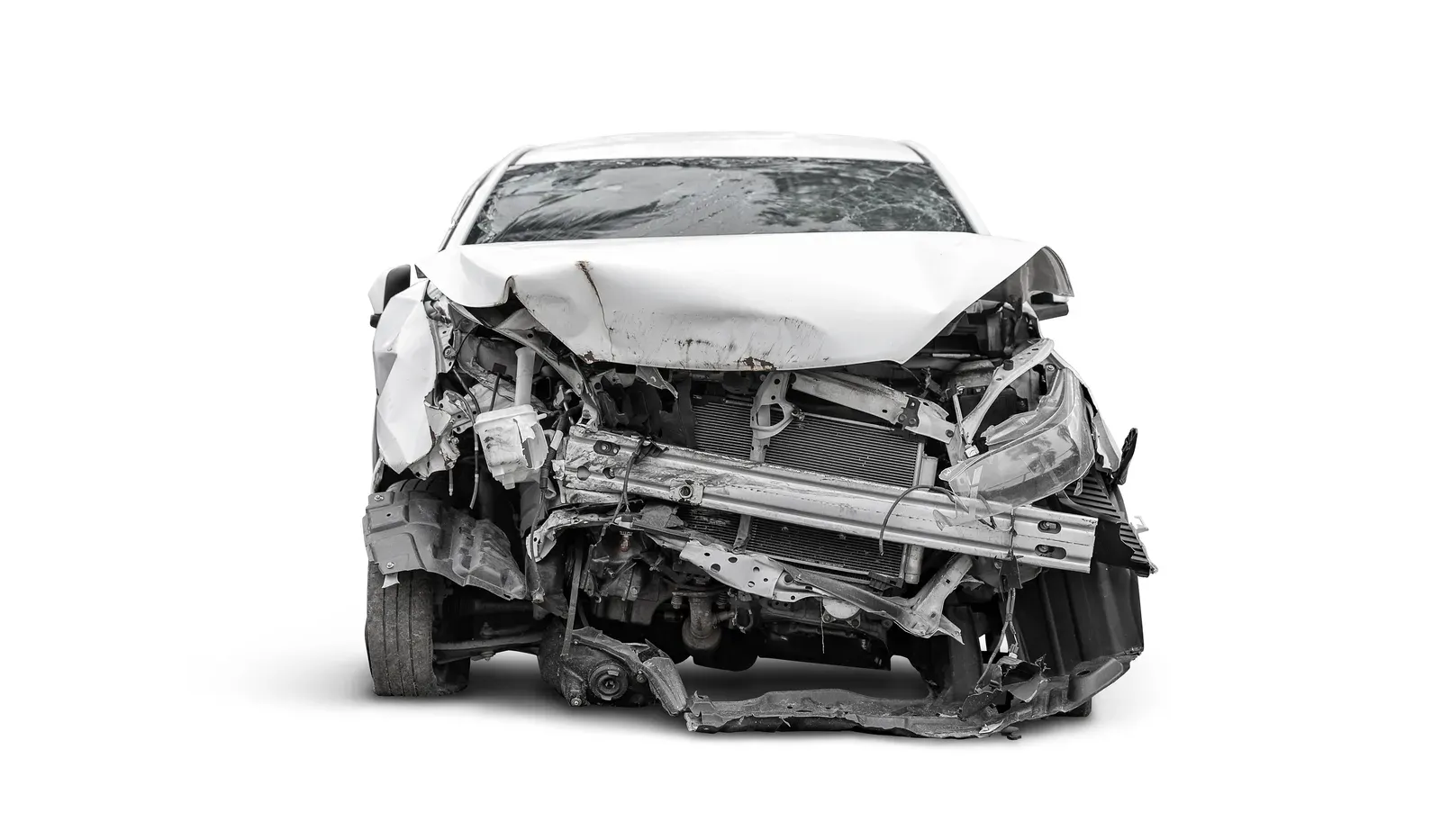
Yes — repairs without claims happen every week
There is no rule that collision damage must go through insurance. People pay for repairs directly all the time: the damage was their own doing and sits near the deductible, the car is older and carries liability-only coverage, a family member had the mishap, or they simply want the transaction finished without a claims file attached to it. Whatever the reason, the shop side of a cash job is refreshingly simple — you are the customer and the sole decision-maker, and nobody else needs to approve anything. It is also nobody’s business but yours: no adjusters, no recorded statements, no file anywhere except at the shop.
Whether skipping the claim is the right financial call is its own question with its own trade-offs, and we keep a separate answer on paying out of pocket versus going through insurance for exactly that decision. This guide assumes the choice is made, or nearly made, and walks through how a repair without insurance actually runs from first photo to final invoice.
Start with the number, not the decision
Every path begins with a written estimate, because every other choice depends on the size of the number. Ours are free, and you do not have to visit to get one: send photos and a written estimate comes back within an hour. For larger hits we will recommend a teardown before finalizing anything, since damage hiding behind a bumper cover or inside a fender can move the total meaningfully — and a moving total is exactly what you want to know about before committing your own money to it.
A real estimate also converts vague worry into an itemized list. Seeing the repair as lines — this panel, this part, this refinish operation — is what makes the next two steps possible: sorting the work by urgency, and phasing it to fit a budget. A lump-sum dread cannot be prioritized; a line-item list can. It also hands you a baseline for judging any second opinion you decide to gather.
Safety first, cosmetics second
When budget forces choices, the sort order is not negotiable. Anything that affects how the car protects you comes first: crumpled metal with sharp edges, doors and latches that no longer close properly, damaged lamps and mirrors, and anything structural. If cameras or sensors live in the damaged area, confirming they still work belongs on the must-do list too — driver-assist features are only as good as the mounting points and calibrations behind them.
Cosmetic damage with sealed paint — a dent that never cracked the finish, a scuffed corner — can genuinely wait, sometimes indefinitely. What should not wait in Minnesota is broken paint. Bare metal exposed heading into a salted winter becomes a rust repair later, and rust work costs more than the dent ever would have. Sequence with that in mind: sealed and ugly can hold; open and shiny cannot.
Phasing the work to fit a budget
A cash repair does not have to happen all at once. We regularly split jobs into stages: make the car safe and sealed now, come back for the cosmetic panel when the budget recovers, leave the purely optional items for never. Phasing works because the estimate already itemizes everything — each phase is just a subset of lines, priced in writing before you commit to it, with no penalty for spreading the work out.
Phasing also has an honest limit, and we will tell you where it sits on your car. Some operations cannot be split: a structural pull, or a panel replacement and the blended refinish that makes it disappear, are single pieces of work, and doing half of one is doing it wrong. We will flag which lines are divisible and which are not — and if the honest answer is that the car is not worth the full number, we will say that too, plainly, before you spend anything.
When a claim is still worth considering
Two situations should send you back to the claim question before you pay anything. The first is damage that turns out bigger than it looks: if teardown reveals a total well beyond what you would comfortably pay, the math changes, and nothing about getting an estimate commits you to a cash repair. Decide after the number exists, not before — and decide before repairs begin, since untangling a half-done cash job into a claim is messy for everyone.
The second is any accident involving another party. If another driver caused the damage, their insurance company may owe the repair, and your documentation habits should change accordingly — photos, a police report where appropriate, their claim information. And if someone might claim against you, letting your own insurance company know the incident happened is generally wise even when you intend to pay for your own repairs; giving notice is not the same thing as asking for money.
The payment conversation, without the awkwardness
Cash jobs run on the same paperwork as insurance jobs, minus the insurance. The written estimate is the agreed number; nothing gets added without your written authorization first; deposits come up only for special-order parts. When the work is done you pay the shop directly and keep every document — estimate, invoice, and the written lifetime warranty on the paint work, which applies to cash customers exactly as it does to claim customers.
Those documents earn their keep even without a claim behind them. A records folder showing damage professionally repaired reads well at trade-in or sale, and it anchors the warranty if anything ever needs attention down the road. A cash repair done properly is not the off-the-books option — it is the same repair with a shorter cast of characters.