
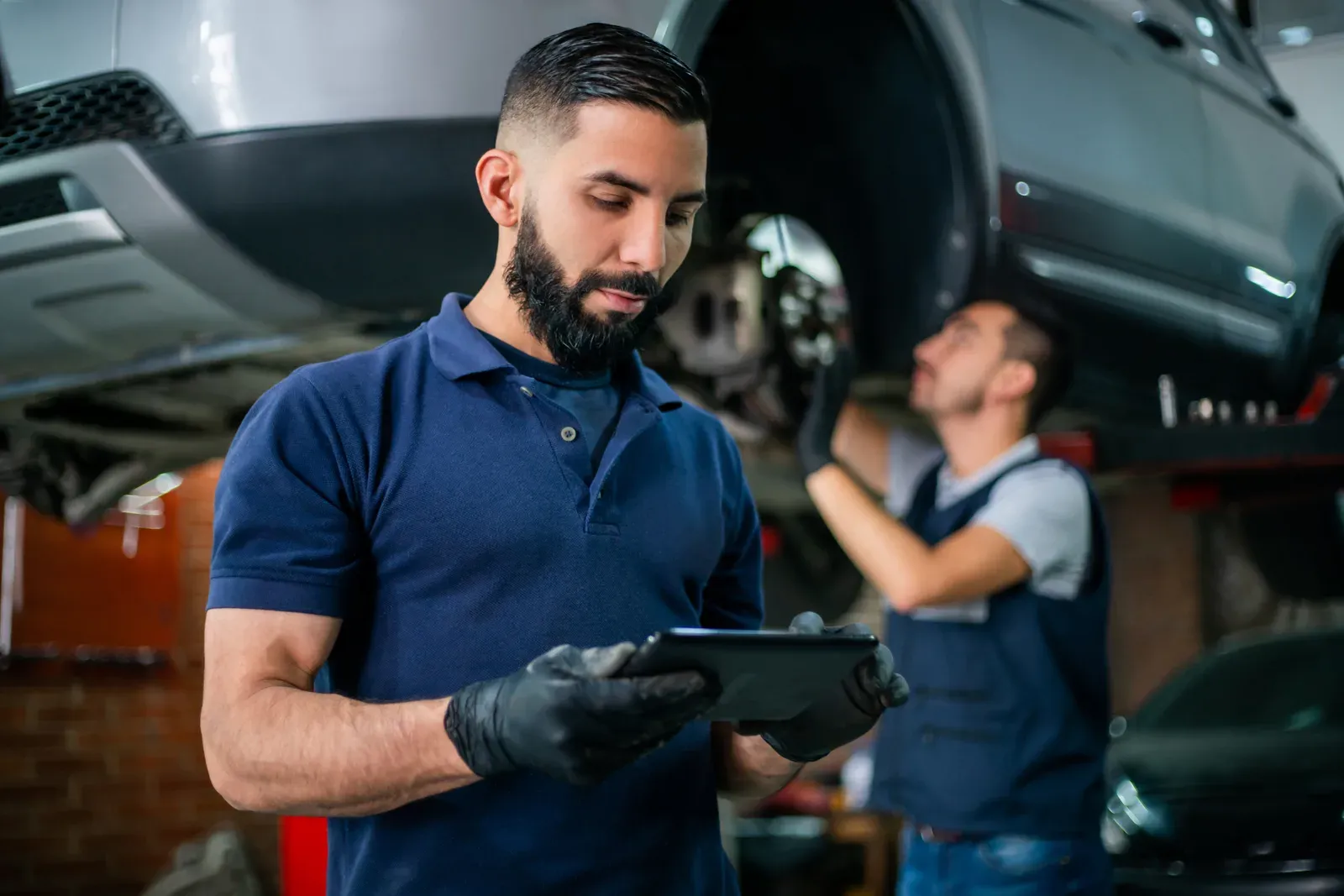
At the scene, it’s a crash like any other
The name on the registration doesn’t change the first minutes. Get to safety, check on everyone involved, call for help if anyone is hurt, exchange insurance and contact information, and photograph vehicles, positions and the surrounding scene. Minnesota’s crash-reporting requirements apply to the driver regardless of who owns the car, and our step-by-step accident answer — linked below — covers those basics in full.
The one addition worth making at the scene: document with your employer in mind. Note the time, the trip’s purpose, and what happened while it’s fresh, because you’ll be retelling this to a fleet manager or HR as well as to an insurance company. Clear notes made in the first hour beat a reconstructed memory a week later.
If police respond, record the report or incident number before leaving — the company’s insurance company will want it, and hunting for it later wastes everyone’s week. Do the same with witness names, and with the other driver’s employer if they were in a work vehicle too; commercial-to-commercial crashes involve more parties than usual, and the driver at the scene is the only person positioned to capture those details.
Report to your employer before anything else moves
With the scene handled, your employer becomes the first phone call that matters. Most companies with vehicles have a reporting procedure — a fleet manager, a supervisor, an HR contact or an internal form — and the general rule is simple: report promptly, completely and honestly, even for damage that seems trivial. Sitting on a scraped bumper for a week creates a problem where there wasn’t one.
Reporting first also protects you from a practical trap: authorizing things that aren’t yours to authorize. The car belongs to the company, the policy is probably theirs too, and commitments about repairs, claims or fault positions should come from whoever manages the vehicle. Your job in the first day is accurate information, not decisions. To repeat the caveat that frames this whole guide — this is general guidance, not legal or HR advice, and your employer’s procedures control.
Whose insurance covers it?
For a company-owned vehicle, the employer’s commercial policy is typically the one that responds, which is why the claim usually runs through the company rather than through you. Where it gets less tidy is the gray zones: personal errands in a company car, a personal car driven on company business, or take-home vehicles that blur the line daily. Coverage in those situations depends on the specific policies involved, and guessing is pointless — the policy documents and the insurance companies answer it, not a rule of thumb.
What you can do is be forthright about the facts. Say plainly what the trip was and let the coverage question resolve on accurate information; a claim built on a fudged trip purpose is a far worse problem than an awkward conversation. If you drive a company car regularly, it’s worth asking your employer now — before anything happens — how personal use is covered.
Sole proprietors and one-person companies occupy a special corner of this question, since the line between company car and personal car can be a single bank account wide. If that’s you, the answer still lives in the policies themselves — ask the agent who wrote your commercial and personal coverage how a work crash would be handled, before the day you need to know.
Ask the shop-choice question early
Somebody decides where the car gets repaired, and it isn’t always obvious who. Some employers have a fleet arrangement or a management company with preferred vendors. Some defer to whatever their insurance company suggests. Plenty of small businesses simply ask the driver to handle it. Ask explicitly — “where do you want this repaired, and who authorizes it?” — and get the answer in writing before anyone tears the car down.
If the choice lands with you or your employer is open to suggestions, the criteria are the same as for any vehicle: a shop that documents everything, writes honest estimates from teardown rather than a walk-around, and answers its phone. We repair employer vehicles regularly, work with all insurance companies including commercial policies, and a photo-based written estimate within the hour gives your fleet manager a real number the same day.
Your role while the car is in the shop
Even when the company runs the claim, you stay useful, because you’re the one who knows the car. Pass along anything that changed after the crash — pulling, noises, warning lights, a door that latches differently — since symptoms the driver notices are exactly what teardown should chase. Keep copies of what you’re given: the claim number, the estimate, correspondence. Organized drivers make company claims move faster.
When the car comes back, take the same care you’d take with your own: look over the finish and panel gaps in daylight, confirm warning lights are out, and note anything off on your first drive so it’s raised while the repair file is open. Then confirm your employer has the final invoice and warranty paperwork for their records — the file outlives the repair, and so should the documentation.
If the vehicle is how you do your job, raise the replacement question the same day the car goes in: whether the company provides a spare, whether the commercial policy includes rental coverage, or whether routes get redistributed while the repair runs. That call isn’t the body shop’s to make, but repair timing is, and knowing your constraints lets us schedule so the fastest realistic path is the one that actually happens.