
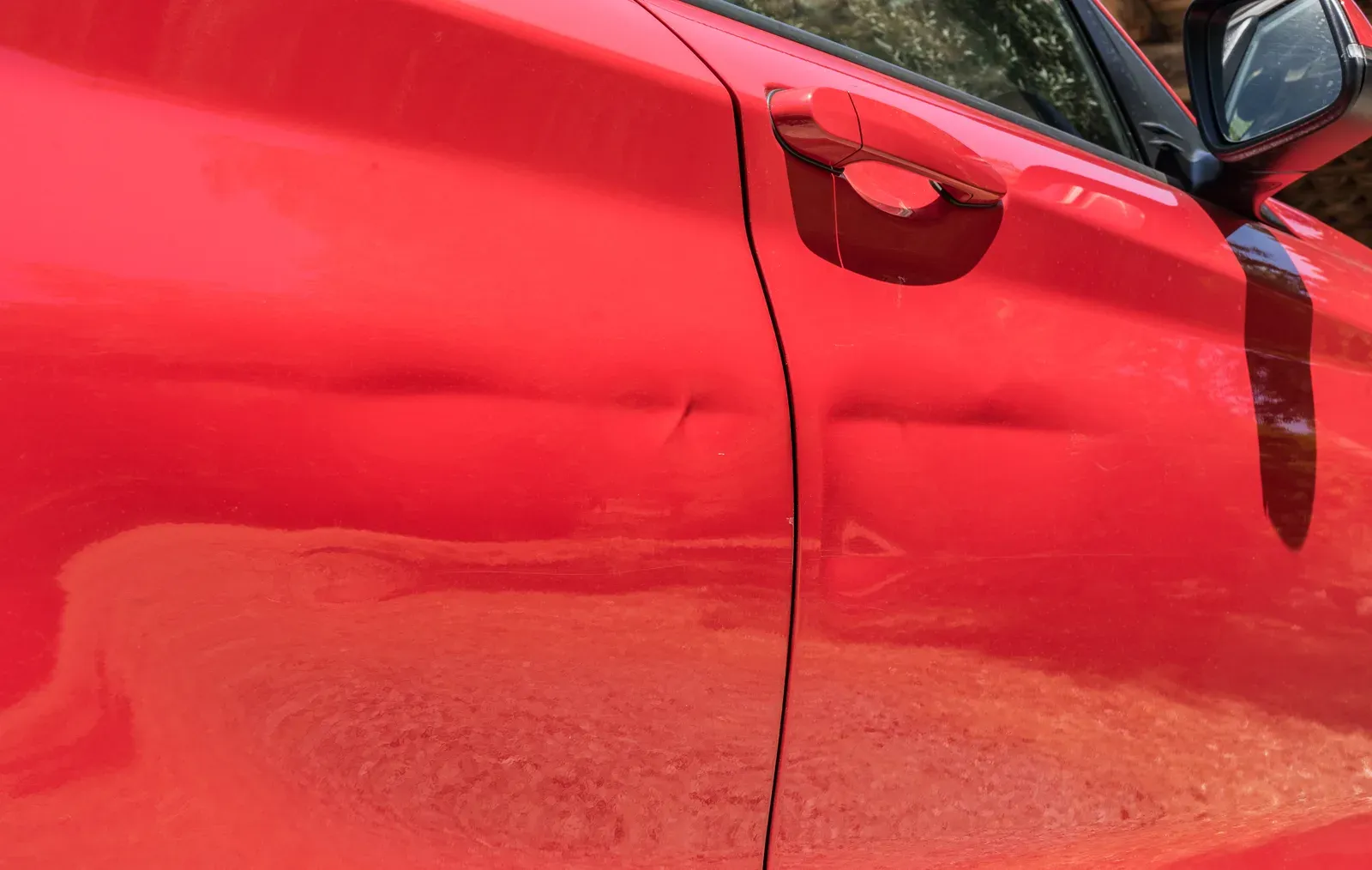
Shopping on price is not a character flaw
Plenty of budget advice about body shops is really a lecture in disguise. Skip the lecture: wanting the dent fixed for less is rational, especially on an older car, a lease you are leaving, or a month where the deductible was already the surprise. The goal here is to help you spend less on purpose — knowing exactly what a lower number buys — instead of spending less by accident and finding out at the worst time what got left out.
Price differences between shops are real and mostly structural. Overhead, labor rates, parts sourcing, and how much work each shop writes into the job all move the total. Some of those differences are pure savings to you. Some are work quietly left out. Telling them apart is the entire skill this page teaches.
It also helps to decide what “cheapest” means for your situation before collecting bids. Cheapest today is one answer. Cheapest over the years you will own the car — where a failed repaint or a rusted-through patch means paying twice — is a different answer, and the honest budget move depends on which question you are actually asking.
Honest ways to lower the bill at any shop
The most reliable savings come from changing the plan, not from hunting for a magically cheaper version of the same plan. Any reputable shop can write these options into an estimate the moment you ask:
Notice that all of these happen in the open. That is the marker of legitimate savings: the shop tells you what changed, and you approve it. The estimate got smaller because the job got smaller, on your terms.
There is a quieter lever, too: flexibility. A car the shop can schedule into a slow stretch, a repair that does not need a rush turnaround, an owner reachable by text for quick approvals — these all reduce friction, and friction is a cost. It will not transform a bill, but it makes you the customer an estimator sharpens a pencil for.
- Recycled factory parts instead of new, approved by you line by line
- Repairing a panel instead of replacing it, where the metal is sound
- Phased work — safety and rust protection now, cosmetics when the budget recovers
- Skipping purely cosmetic items entirely, with the paint sealed so nothing spreads
- A written estimate before any commitment, so you can compare calmly
Where rock-bottom bids come from
When a bid undercuts everyone dramatically, the money almost always comes out of what you cannot see. Blending into the next panel gets skipped, leaving the color match to luck. Trim gets masked around instead of removed, leaving hard paint edges. Teardown never happens, so hidden damage stays hidden until it does not. Corrosion protection inside repaired panels gets omitted — invisible on delivery day, decisive a few winters later.
None of this makes the low bidder a villain; some shops write to a different standard and their customers accept the trade knowingly. The problem is when the trade is invisible. Ask the low bidder what the other estimates include that theirs does not. A fair shop answers the question directly. Evasion is your answer too.
Insurance work has its own version of this trap. If a claim is paying, a bargain shop saves the insurance company money, not you — your deductible is identical everywhere. Chasing the low bid makes sense only when the money is coming out of your own pocket, which is exactly when the questions in this guide earn their keep.
When the budget repair is genuinely the right call
Sometimes the leaner repair is simply correct, and a shop should say so out loud. A high-mileage commuter with cosmetic damage does not need show-car refinishing. A door ding on an aging work truck can wait indefinitely. When a car is near the end of its road, spending heavily on paint perfection is bad math no matter who holds the spray gun — and we tell people exactly that when it is true.
The line to hold is safety and spread. Structural damage, anything touching sensors or lighting, and any breach that exposes bare metal to Minnesota road salt does not belong in the skip pile. Cosmetic problems sit still; rust and hidden structural issues compound. Spend on the things that get worse, and defer the things that merely sit there.
A useful self-check: will this car be in your driveway long enough to collect the consequences? Paint that fails early and corners that were cut surface on a delay. If you are selling within the season, that risk transfers to a buyer — which raises its own honesty questions — but if you are keeping the car, you are the person the shortcut eventually bills.
Compare cheap bids like a pro
Get every bid in writing and set them side by side, line by line rather than total against total. Check the parts column first — new factory, aftermarket, or recycled changes the number honestly, but only when it is labeled. Then hunt for the quiet omissions: blend into adjacent panels, teardown, corrosion protection, calibration wherever sensors are involved. The cheapest complete job beats the cheapest number, and only a written line-by-line estimate lets you tell one from the other.
Close with one question to every shop: what does your warranty cover on this repair, in writing? A low bid with a real warranty behind it is a bargain. A low bid the shop will not stand behind is priced accurately. Our estimates are free, phased options are always on the table, and when the honest answer is that a budget repair elsewhere serves you fine, you will hear that from us too.