Before anything else, build the record
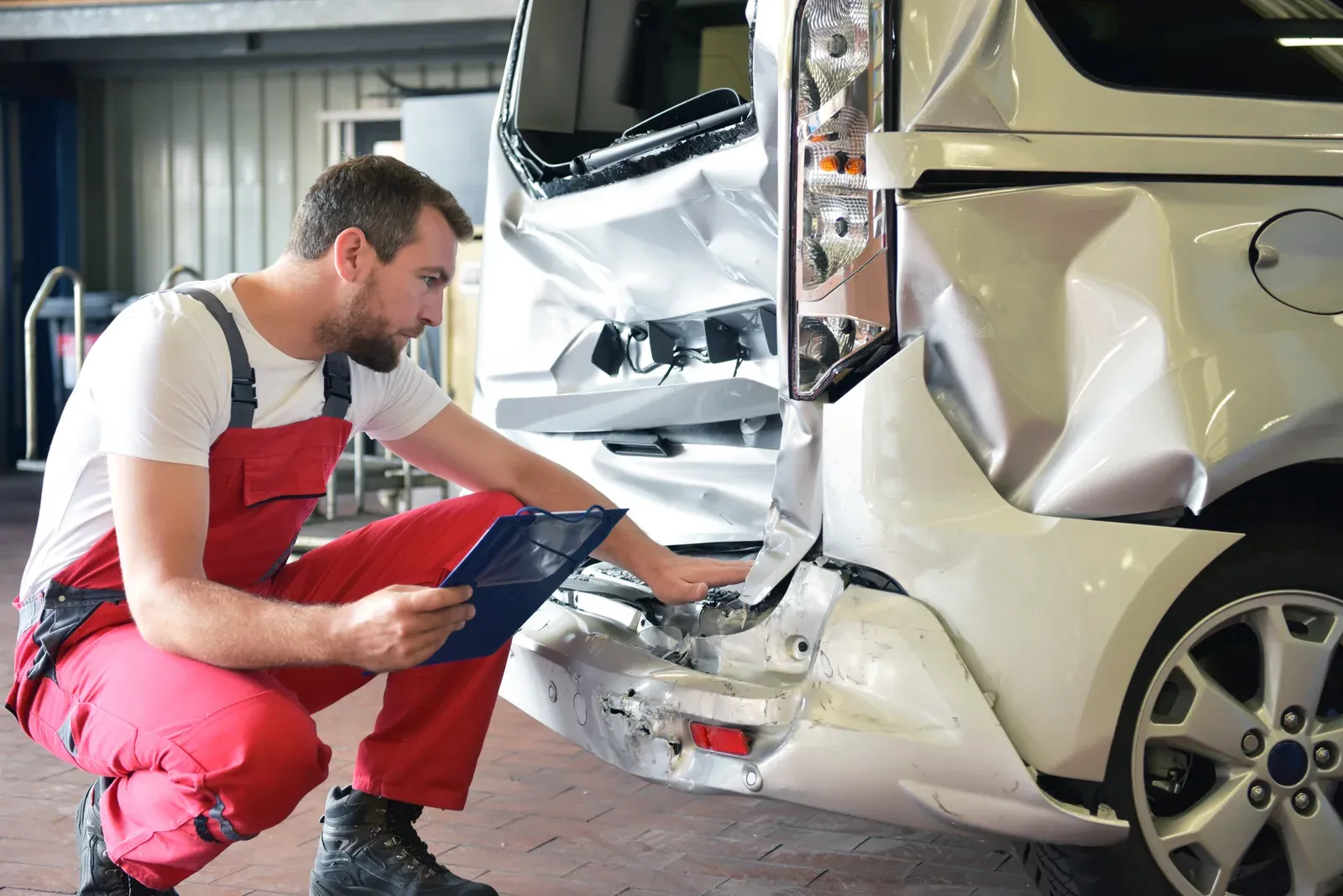
Resist the urge to drive straight back and have it out at the counter. First, document the problem while it is fresh: photograph the affected areas outdoors in daylight, straight on and at an angle that lets light rake across the paint. Add close-ups of any misaligned gap with something in frame for scale. Then gather the paper — final invoice, the written warranty, and any texts or emails about the repair.
This record serves you on every path that follows. It shows the original shop exactly what you are seeing, it gives an insurance company something concrete to reinspect against, and it separates repair defects from anything that happens to the car afterward. A few minutes with a phone camera now prevents a he-said-she-said later.
- Wide shots establishing which panels are involved
- Close-ups of each defect, in daylight, from two angles
- The final invoice and the written warranty, photographed
- Any warning lights or symptoms, captured on video if they come and go
- A dated note of when you first noticed each problem
Give the original shop the first chance
It may be the last thing you feel like doing, but returning to the shop that did the work is the fastest and cheapest remedy available. The work sits under their warranty, they hold the file, the photos, and the paint formula, and a redo costs them far less than a dispute. Most established shops would genuinely rather fix a problem than argue about one — the reputation is the asset.
Frame it as a warranty visit, not an accusation. Show the photos, describe the symptom without assigning motive, and ask what they propose. Whatever the answer is, get it in writing — a promised redo with a date, or a refusal with a reason. Either outcome moves you forward: one fixes the car, the other unlocks the next step.
If the original shop belongs to a national chain, ask specifically how its warranty process works — chain warranties are usually honored at any of the brand’s locations, which can help if the original store has changed hands or lost the staff who did your work. The paperwork requirements are stricter there, which is one more reason the record you built in step one earns its keep.
If insurance paid, request a reinspection
When the repair ran through a claim, the insurance company that paid for it has a direct interest in it being right — they funded a complete repair, not a partial one. Call the claim line, say the repair on your claim has visible defects, and request a reinspection. An adjuster examines the car against what was billed and can require the original shop to correct shortfalls or authorize corrective work.
Your photo record and invoice are what make that call effective. Reinspection is a routine, no-drama mechanism: you are not filing a complaint against anyone, you are asking the payer to verify what it paid for. It also creates an official record of the defects, which matters if the situation ever needs a third opinion — adjusters write reports, and reports outlive phone calls.
Get an independent set of eyes
A second opinion from an uninvolved shop tells you what you are actually dealing with — cosmetic finishing issues, or something structural hiding beneath them. Some problems need teardown to diagnose properly; a wandering panel gap can be a surface adjustment or a symptom of what is underneath, and nobody can tell from the sidewalk. The linked answer on second opinions explains how to get one without burning bridges.
When we do these inspections at Prime Auto Body, the product is documentation, not commentary: what we observe, what meets accepted repair standards, what does not, and what correcting it would involve — in writing, with photos. You decide what to do with it. What you will not get from us is trash talk about another shop; it would not help you, and it is not how this trade should treat itself.
One category cannot wait for the process to grind forward: anything that affects how the car drives. A pull to one side, a warning light tied to airbags or driver-assist sensors, unusual tire wear after a structural repair — get those looked at promptly rather than queueing them behind a paint dispute. Cosmetic flaws are patient. Safety questions are not.
What a fair resolution looks like
The standard remedy is a proper redo of the affected work at no cost to you, with the warranty intact afterward. Depending on what a reinspection found, that happens at the original shop or, where the insurance company authorizes it, at a shop you choose. Expect the fix to address causes rather than symptoms — a panel refinished correctly, not polished to hide a defect for a season — and ask what will be done differently this time, since a redo of the same process invites the same result.
Keep every step in writing and give each rung a real chance before climbing to the next; most cases resolve early when you do. If the shop, the warranty, and the insurance company all fail to produce a resolution, Minnesota’s consumer-protection channels exist — and since we are a body shop rather than lawyers, that is where our advice responsibly ends.
A last reframe that helps people through this: a bad repair experience is a detour, not a verdict on getting the car fixed. The processes on this page exist precisely because the industry knows work sometimes falls short, and they run in your favor when you feed them evidence. Bring us the car and the folder, and we will tell you plainly which rung you are on — (651) 460-9996.