
Should I fix rock chips before winter?
Quick answer
Yes, if the chip goes through to primer or bare metal. Paint is the only barrier between road salt and steel, and a chip is a hole in that barrier that brine will find within days of the first plow run. Sealing chips in the fall is quick and inexpensive; a rusted-through panel next spring is neither.
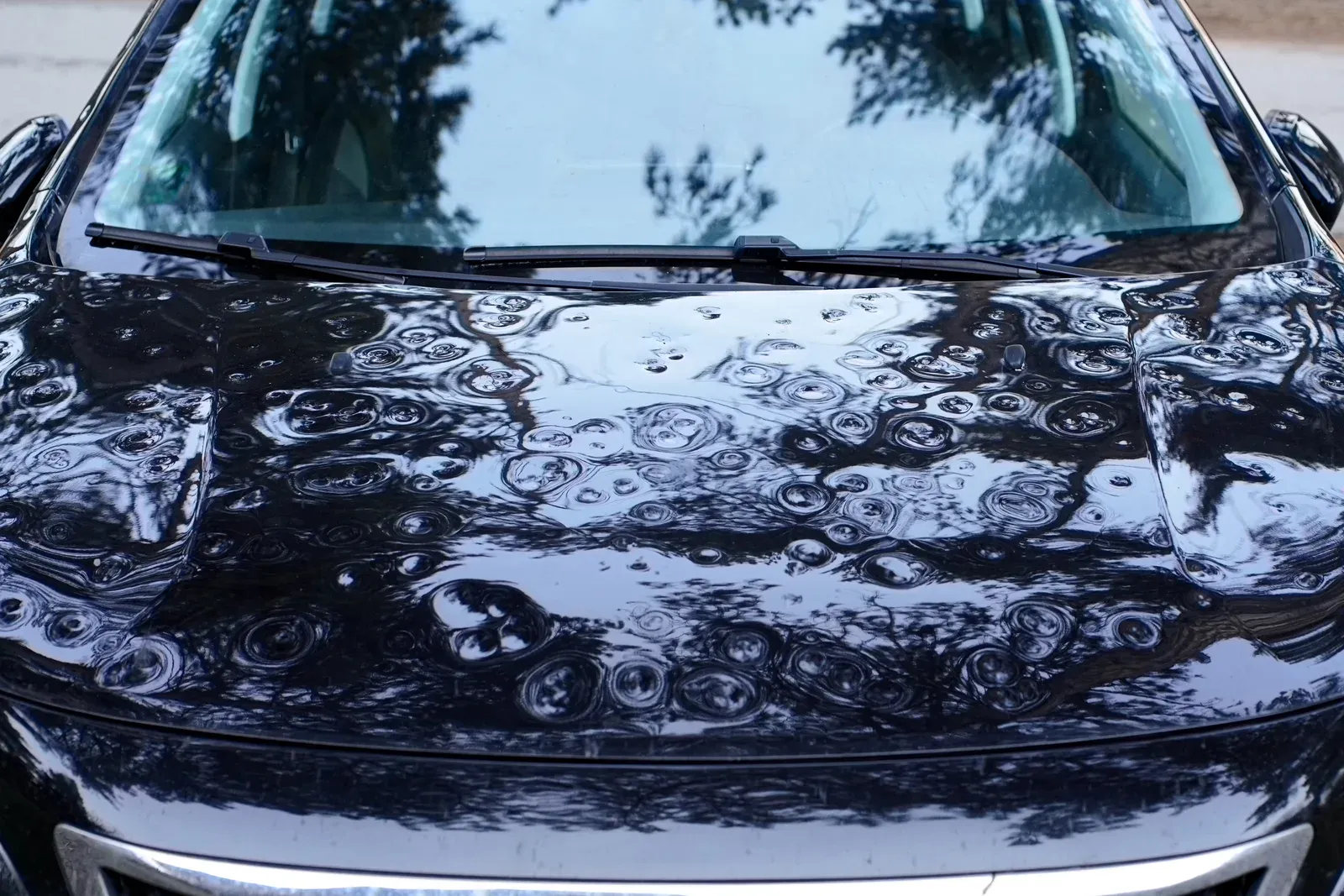
Which chips actually matter
Not every chip is urgent. Look closely, ideally with a bright light, and figure out how deep it went.
A chip that only broke the clear coat looks like a small dull spot with color still underneath. That one is cosmetic and can wait. A chip that took the color off shows gray or white primer at the bottom — that needs attention this season, because primer is porous and does not stop moisture for long.
A chip that reaches bare metal shows a small bright silver dot, or a brown one if it has already started. That is the urgent one. Steel exposed to Minnesota brine begins corroding immediately, and the rust spreads underneath the surrounding paint where you cannot see it.
Quick triage, in order of urgency:
- Bright metal or a brown spot at the bottom of the chip — fix now
- Gray or white primer showing — fix this season
- Color still present, just a dull mark in the clear — cosmetic, can wait
- A chip with a lifted paint edge around it — fix now, it is already spreading
- A cluster of chips across a hood leading edge — plan a panel refinish rather than touch-up
Why winter specifically
Three things happen at once when the plows come out. Chloride brine coats every surface of the car and holds moisture against it. Sand and salt crystals thrown off the road hit the front of the vehicle at highway speed and make new chips faster than any other time of year. And freeze-thaw cycling works water into the break in the paint film, then expands it.
That last one is why small chips turn into flaking spots over one winter. Water gets under the paint edge, freezes, expands, and lifts a little more film. Then salt reaches the newly exposed metal. Then it happens again.
Rust also grows outward with real force, because iron oxide takes up more volume than the steel it came from. That is what turns a pinhead chip into a raised bubble and then into a flaking crater.
The timing works against you as well. Sealing a chip properly means clean, dry, above-freezing conditions and time for the paint to level, which is easy in October and awkward in a January parking lot. Doing it before the season starts is simply doing it when it can be done well.
Where chips collect
Damage is concentrated in the places that meet road debris first:
- The leading edge of the hood and the top of the front bumper cover
- Mirror housings and the A-pillar area
- Lower doors and rocker panels, hit by the front tires’ spray
- The area behind the rear wheels on the quarter panels
- Headlamp lenses, which haze and pit rather than chip
- The lower corners of the front bumper cover, closest to the road
- The windshield, where a chip should be addressed by a glass shop before cold spreads it into a crack
What a proper chip repair involves
A chip repair is not a drop of touch-up paint on top of dirt and rust. The area is cleaned and degreased, any corrosion in the chip is removed down to sound metal, and the bottom of the chip is sealed before color goes in. Sealing rust under paint just hides the clock; it does not stop it.
Color is matched to the panel as it is today, not just ordered by code, because sun-faded paint and a fresh factory formula do not match. Paint is built up in thin layers until it sits level with the surrounding clear, then leveled and polished so the repair does not catch light. Done properly, you have to know where it was to find it.
When the front of the hood has a dozen chips rather than one or two, a full panel refinish is usually the better answer — it costs more up front and looks dramatically better than a field of touch-up dots. Paint protection film on the leading edge is a reasonable way to stop the next round.
Dealer touch-up pens have their place for a chip you are trying to stabilize until you can get it addressed properly. What they cannot do is match a sun-aged panel or lie flat enough to disappear, so treat them as a temporary seal rather than a repair.
The economics, plainly
A sealed chip is a small job. A rusted-through lower quarter panel means cutting out metal, welding in new, rebuilding corrosion protection, and refinishing with a blend into adjacent panels. The gap between those two jobs is enormous, and the only thing separating them is a couple of winters.
Chip damage is also not usually an insurance claim — it accumulates over time rather than happening in one event, so it typically falls below any deductible and is paid out of pocket. That is another argument for doing it while it is small.
Fall is also simply a better time to book. Bring the car in before the first storm rather than in the spring rush, and send photos first if you want a number before you drive over.
If you are only going to do one thing before winter, make it this: walk the car in good light, find every chip that shows primer or metal, and get those sealed. Everything else on a car can wait a season. Bare steel in brine cannot.