A common hit on a common car
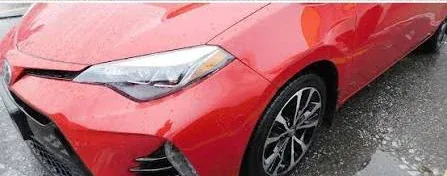
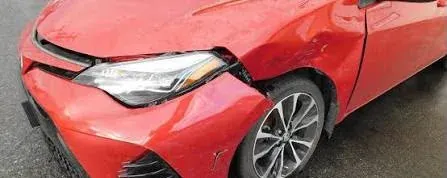
Front-corner damage is the most frequent collision we see, and a compact sedan takes it the same way every time: the cover tears where it wraps around the corner, the lamp cracks at its mounting tab, and the fender folds back into the arch. What varies is how far the crease travels afterward. On this Corolla it reached the leading edge of the front door before it ran out of energy.
The other thing that varies is what happened underneath. A compact has short front rails and not much room between the bumper beam and the wheel, so a corner hit that looks moderate from outside can still have moved the mounting structure. That is a measurement question with a yes or no answer, and it gets asked before any part is ordered. The answer also shapes how the claim is written, because structural work and bolt-on replacement are handled very differently on an estimate, and getting that wrong costs the owner time.
The repair, and the economics behind it
On a car in this class the repair decision is partly a financial one, and pretending otherwise helps nobody. A documented teardown estimate gives the insurance company real numbers to work from instead of a guess, and real numbers are what keep repairable cars from being written off on an inspector’s first impression. The same document protects the owner if the car genuinely is not worth repairing.
This one was repaired, and the work followed the same order as any corner job: measure, replace what is broken, work what can be saved, fit and gap the panels, then refinish. Reds on a car that has spent Minnesota summers outdoors need checking against a sprayout card before the gun goes near the panel, because the code on the door jamb describes the paint the car left the factory with, not the paint it wears now.
- Damage torn down and photographed to support an accurate estimate
- Front structure measured before any decision on repair versus replacement
- Broken cover and lamp replaced; fender metal worked back where it could be saved
- Wheel arch opening checked against the undamaged side
- Red matched on a sprayout card against the car, not against the code alone
- Corner and fender blended into the front door and checked in daylight
What a good compact-car repair gives you back
The standard does not change with the price of the car. Gaps should be even, the arch should have the same radius on both sides, the lamp should sit tight and aim correctly, and the color should be invisible in the sun rather than merely acceptable in the shop. A repair that meets those tests keeps the car worth what it was worth; one that does not turns a minor accident into a permanent discount.
Alignment matters more than people expect on a small car with a short wheelbase. A corner impact can move geometry enough to wear a front tire out in a season, so the numbers get checked rather than assumed. The refinish work carries a lifetime warranty here exactly as it does on the German cars in the next bay, because the paint does not know what it is being sprayed onto.