
What Toyota’s TNGA body structure changes about the repair
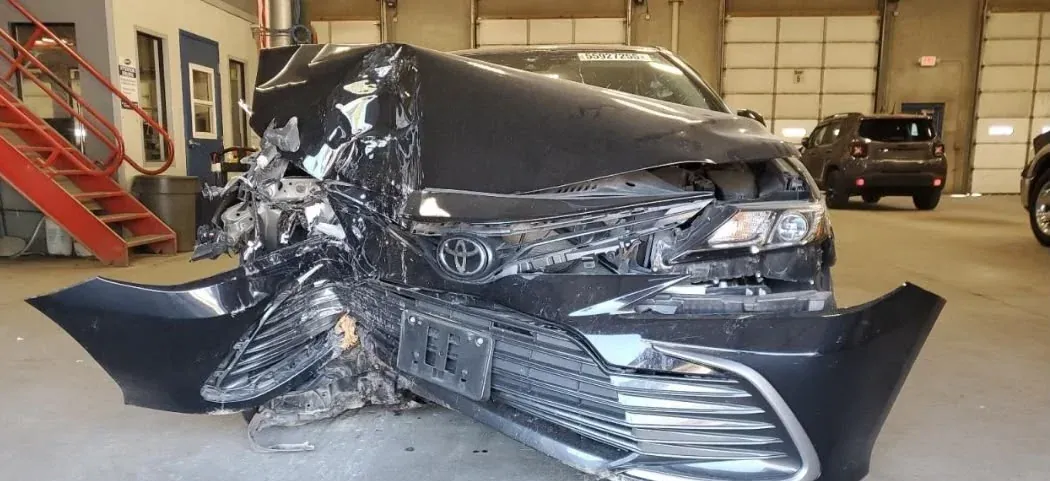
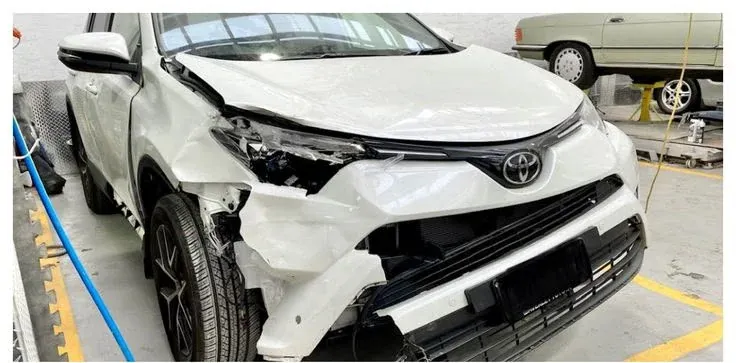
Most current Toyotas — Camry, Corolla, RAV4, Highlander — are built on the Toyota New Global Architecture platform, a unibody that mixes ordinary steel with high-strength and hot-stamped grades through the rocker panels, B-pillars and roof rails. Those hot-stamped sections get their strength from a heat-and-quench process at the factory, and they lose it permanently if a shop reheats or straightens them. Toyota’s procedures spell out where a rail may be sectioned, where it may not, and which assemblies come off the car instead of being pulled.
That is why a structural Toyota job here starts on the measuring system rather than on the frame rack. Laser measurement against factory dimensions shows exactly how far the datum points have moved, which separates a rail that can be brought back from an assembly that has to be replaced. The numbers are recorded before the first pull and again after the last one, and that printout stays in your file alongside the estimate.
Toyota Safety Sense has to be aimed again after front-end work
Toyota Safety Sense reads the road through a forward camera mounted high on the windshield behind the mirror and a millimeter-wave radar sensor at the front of the vehicle, generally behind the grille or emblem area. Pre-collision braking, lane departure alert and dynamic radar cruise control all depend on those two units sitting exactly where the factory aimed them. Replace a grille, reset a bumper cover a few millimeters low, or pull the windshield, and that aim is no longer something anyone can assume.
So every Toyota is scanned before teardown and scanned again after reassembly, and both reports go in your file rather than being discovered by you on Highway 13. Where Toyota publishes a calibration for the work performed, it is completed to that procedure — some model years want a static target board set at a measured distance, others want a road drive under defined conditions. No Toyota leaves here with a system warning on the cluster.
- Pre-repair and post-repair diagnostic scans documented on every Toyota
- Forward camera and front radar aim addressed after windshield, grille or bumper work
- Rear bumper blind spot sensors function-checked after any rear-end repair
- Steering angle sensor and four-wheel alignment reset after structural work
Hybrids and pearl paint: the two Toyota details that catch shops out
Toyota hybrids carry a high-voltage battery pack and orange-sheathed cabling that runs the length of the floor pan. On a Prius the pack sits low behind the rear seat; on RAV4 and Camry hybrids it is packaged under the passenger compartment. Before anything is cut, welded or straightened near that hardware, the service plug comes out and the system sits for the interval Toyota specifies so the capacitors bleed down. The orange harness routing is inspected before the car goes back together.
Paint is the other Toyota trap. Blizzard Pearl and Wind Chill Pearl are three-stage finishes — a base color, a translucent pearl mid-coat, then clear — and the number of mid-coat passes decides the final shade. A paint code alone will not land it, especially on a car that has spent six Minnesota summers outdoors. We spray a test card, hold it against your panel in booth light and again in daylight, adjust, and only then shoot the vehicle.