Corporate lots, employee cars, one bad afternoon
Eagan runs on office parks. Between the campuses off Yankee Doodle, the Viking Lakes development, and the Premium Outlets, there is an enormous amount of open surface parking occupied by cars nobody can move during the workday. A storm that crosses at two in the afternoon fills those lots with damaged vehicles at once, all belonging to people who find out at five when they walk out to leave.
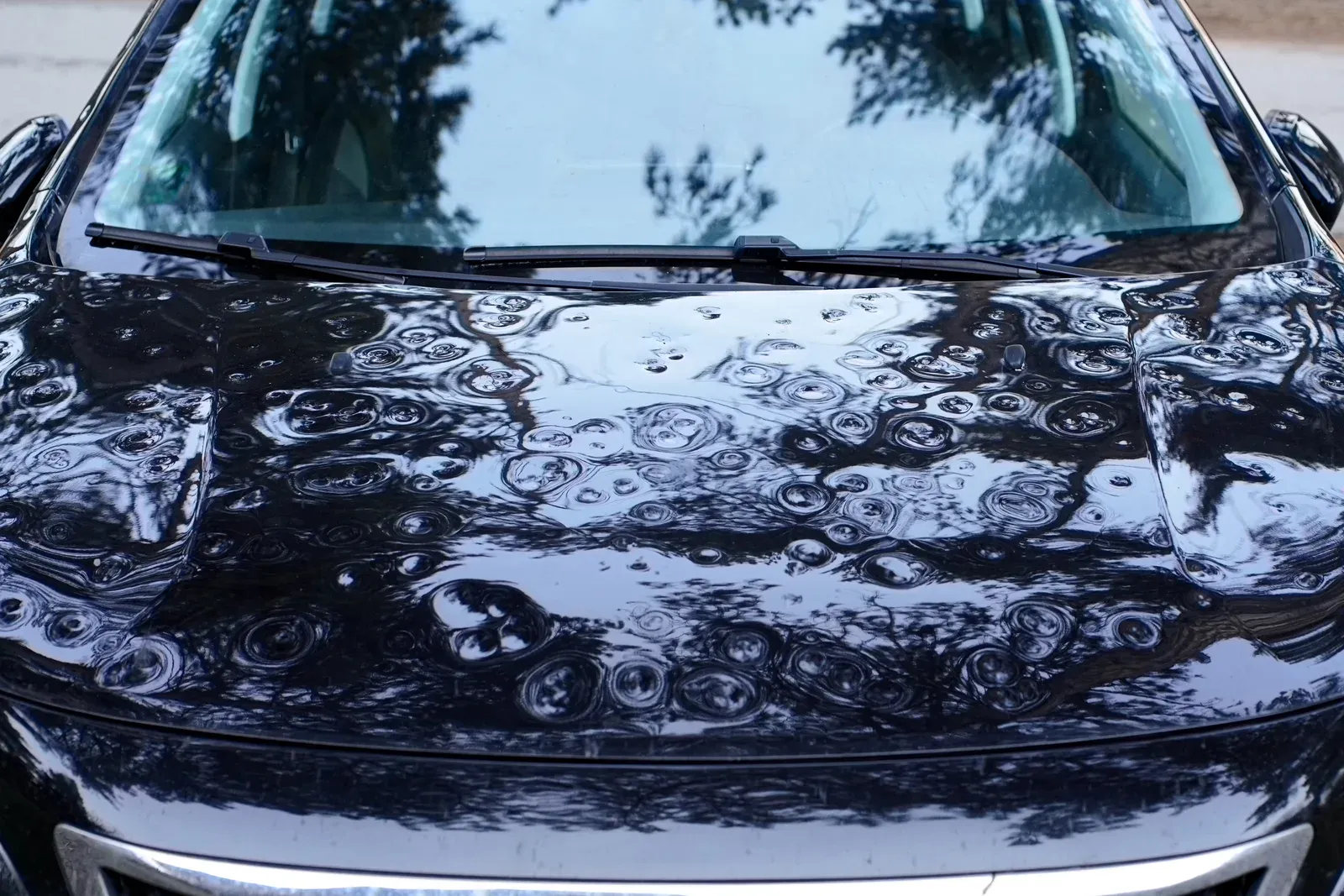
The result is a lot of coworkers comparing dented hoods in the same lot, and most of them calling the same handful of shops the next morning. Highway 13 is the direct line out of Eagan toward Savage, and the earlier that call happens, the earlier your slot in the schedule sits. Photos taken right there in the lot are enough to get a written estimate started before anyone has even opened a claim.
When your claim goes to a catastrophe desk
Widespread storms overwhelm normal claim staffing, so insurance companies bring in catastrophe teams — adjusters assigned to the event rather than to your region, frequently inspecting vehicles at temporary drive-through sites rather than at a shop. Your claim stops being local, the file may pass through several hands, and the person writing the estimate may never see the car under proper light. That is not incompetence, it is arithmetic — a team assigned to an entire storm has a fixed number of hours and an unpredictable number of vehicles to spend them on.
We work with those teams routinely. The estimate that comes out of a tent gets compared against what the panels show in our shop, and where there is a gap we photograph it and submit a supplement to the catastrophe desk with documentation attached. It is a normal part of storm work rather than a dispute, and it is ours to handle rather than yours — you hired a body shop, not a second job.
Keeping old damage out of the hail claim
Eagan drivers rack up highway miles, and a car with a few years of Highway 13 and Cedar Avenue behind it picks up rock chips, a cart ding, maybe a scrape from a garage post. When hail arrives on top of that history, the estimate has to draw a line between the storm and everything that came before it, and drawing that line carelessly costs somebody money in one direction or the other.
We draw it honestly in both directions. Storm damage is claimed as storm damage; older marks are listed separately with their own number so you can decide whether to have them handled while the car is here. Overstating a hail claim helps nobody and puts your own file at risk, while understating one leaves you paying the difference out of pocket for damage your policy already covers. The estimate should read like a description of the car, not a negotiating position.