Modern bodies mix metals, and the repair has to respect that
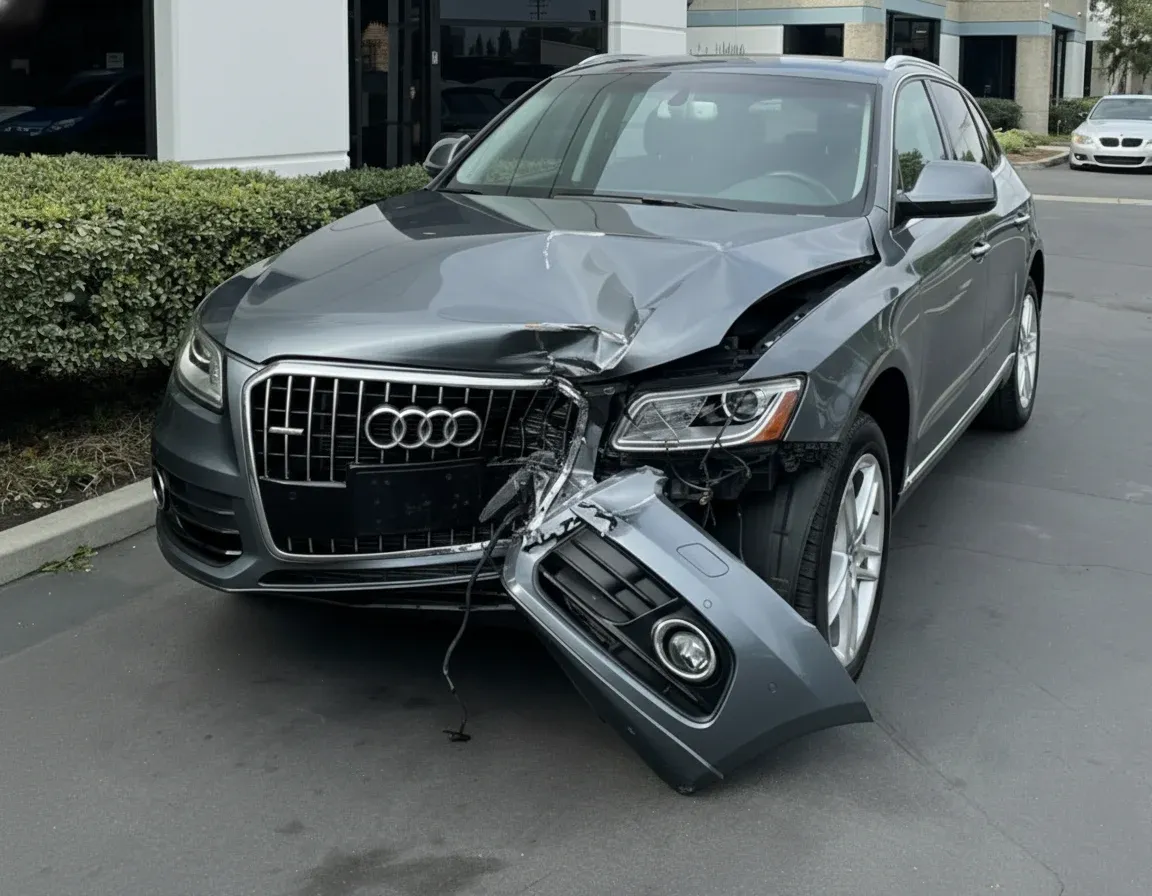
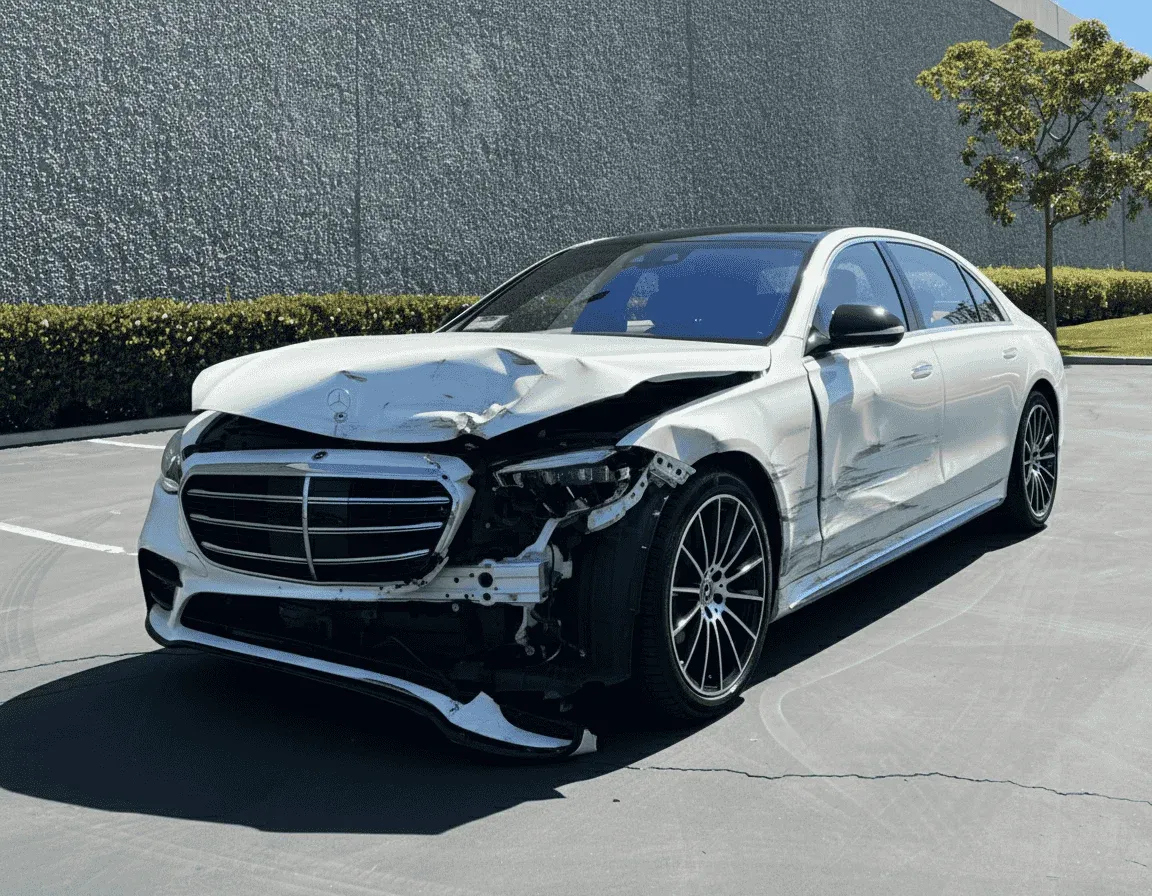
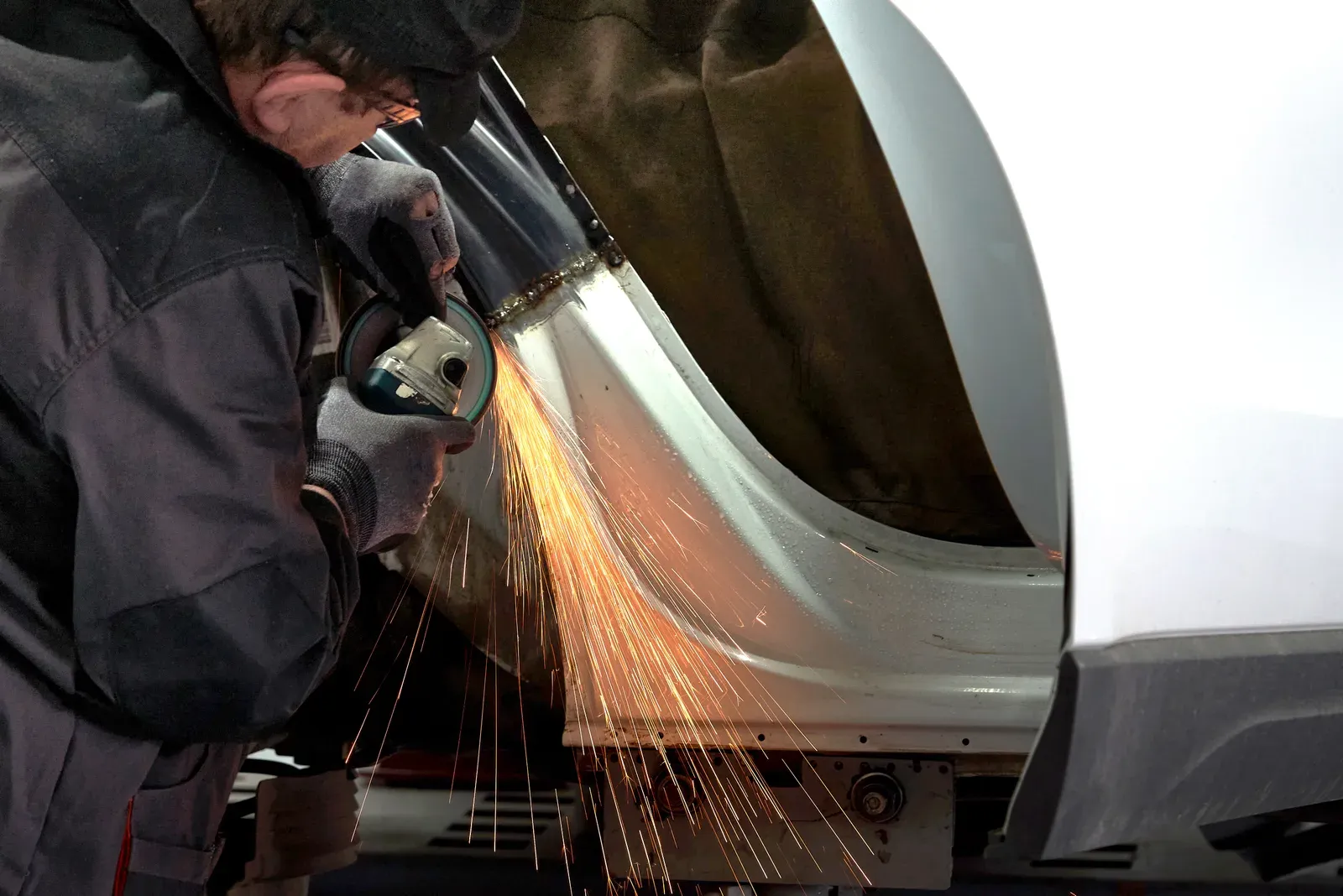
A car built in the last decade is not made of one material. High-strength and ultra-high-strength steels sit alongside mild steel and aluminum, chosen panel by panel for how each is meant to behave in a crash. Some of those steels cannot be heated without losing the properties that make them useful, and some cannot be straightened at all — the manufacturer requires replacement. Mixed construction is the norm now rather than the exception, even on ordinary commuter cars.
Knowing which is which is not a matter of instinct; it is published. Before anything structural is cut or pulled on an Eagan customer’s vehicle, the repair procedure for that model comes up on the screen. The weld type, the number of welds, their placement, and the corrosion protection that goes back into the seam all come from the same document. Following it is not extra caution; it is the condition for the result being what the manufacturer would call a repair.
When the insurance company starts talking total loss
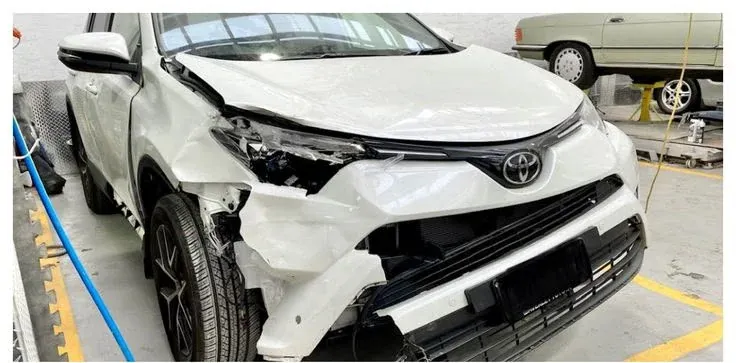
Structural damage moves a claim toward that conversation quickly, and the conversation is really about money rather than about whether the car can be fixed. The repair estimate is compared against the vehicle’s value, and if the first exceeds a threshold the insurance company sets, the car is written off instead of repaired. Nothing about that threshold is negotiable from the shop side, which is why the estimate has to be right the first time and why we build it from readings rather than impressions.
Our part is making sure the repair figure describes reality. Documented measurements show which control points moved and what correcting them involves — no padding, no guessing at hidden damage, no discovery halfway through that doubles the number. Eagan drivers who want to keep a car get an honest case for repairing it, and those whose car genuinely is beyond it get an honest answer sooner. Either way the answer arrives with the measurements attached to it.
Twenty minutes on Sibley Memorial Highway
Highway 13 runs diagonally from Eagan through Burnsville and into Savage without a single complicated turn, whether you start near the Premium Outlets, Cascade Bay, or the Lebanon Hills side of town. Traffic decides whether that is nineteen minutes or closer to twenty-six. There is a stoplight or two through Burnsville and one turn at the end; otherwise it is the same road from the Eagan city limits to our lot. Most people find it easier than the interstate alternatives.
You will pass collision chains on the way, which is the usual argument for stopping at one. Minnesota law says the choice is yours; we accept every insurance company and open the claim from here. Hours run Monday through Saturday, 9 AM to 11 PM, with Sundays by appointment, so the drop-off does not have to cost you a workday. That flexibility matters more on structural jobs, where the car is here longer than it would be for a bumper.