One diagonal road from Eagan
Highway 13 is the shortcut nobody from Eagan thinks about until they use it. From Viking Lakes, Cedar Grove, or the Premium Outlets area it cuts across through Burnsville and lands on our street in Savage in roughly twenty minutes, with no freeway interchange in the middle of it. For a dent repair that means one trip out and one trip back, which is the whole job — no rental, no shuttle, and no week of phone calls about a panel the size of a dinner plate.
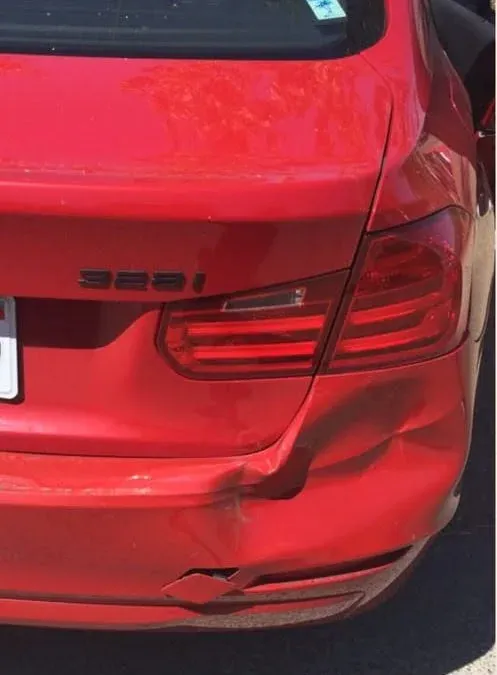
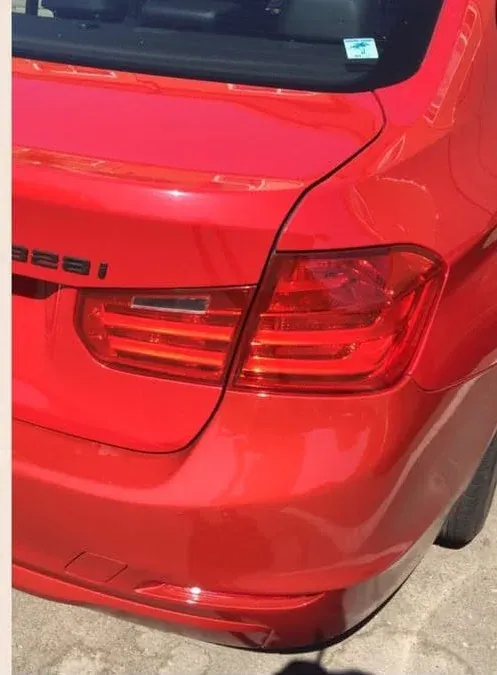
What comes in from Eagan is mostly outlet-mall and office-lot damage: full rows, tight stalls, and a lot of people in a hurry to get somewhere. Door edges, cart corners, and low bumper scrapes from concrete stops make up the bulk of it, and hardly any of it involves a police report, another driver, or a phone number left under a wiper blade. That makes the deductible question the first one worth asking rather than the last.
When filler is the honest answer
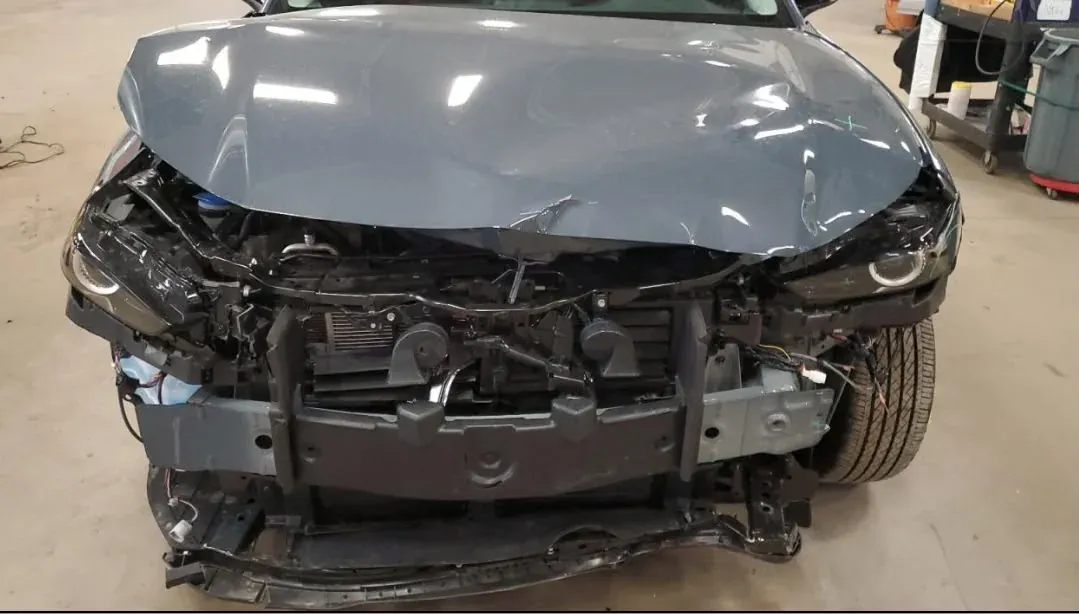
Body filler has a bad reputation it mostly earned in other people’s shops, where it was troweled over damage that should have been pulled out first. Used correctly it is a thin leveling layer over metal that has already been brought back as close to its shape as it will go — and on stretched or creased metal there is no alternative that produces a genuinely straight panel. Skipping the pulling step is what earned filler its reputation, not the material itself.
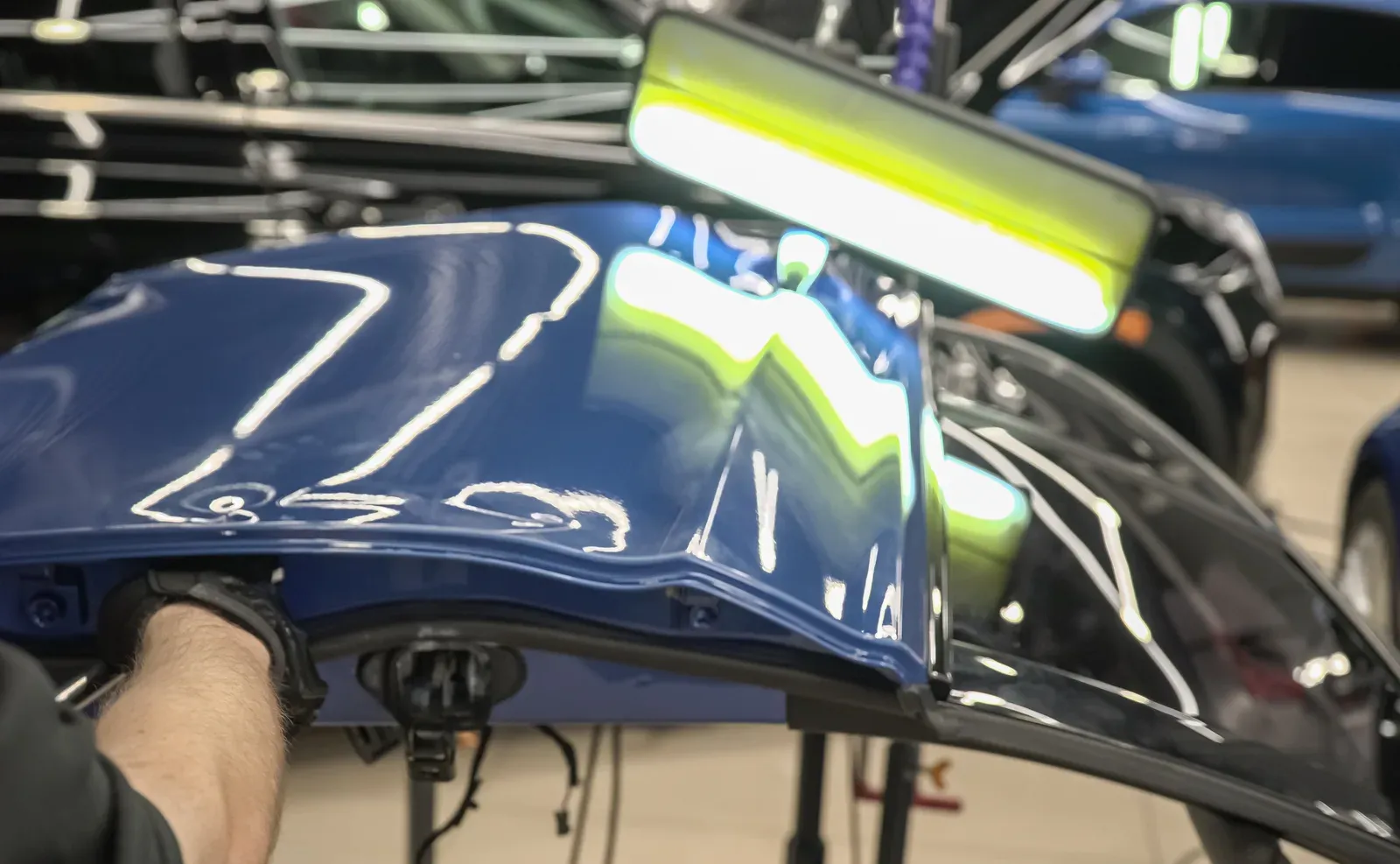
So the sequence matters more than the material does. The dent is worked out as far as the metal permits, the surface is leveled, primed, and blocked flat, and then it is refinished and blended into the panels alongside. We will always tell you when a panel can avoid that route entirely, because keeping the factory finish is the better outcome whenever it is available. On a panel that qualifies, the job is finished before a spray gun is ever picked up.
Insurance, and whether to involve it at all
For a single dent, the answer is often no. If the repair costs less than your deductible, filing gains you nothing and adds a claim to your history for no benefit. We price the work first so you are deciding with a real number rather than a guess, and we earn the same either way. Estimate first, claim decision second, is the most useful thing to know about small damage.
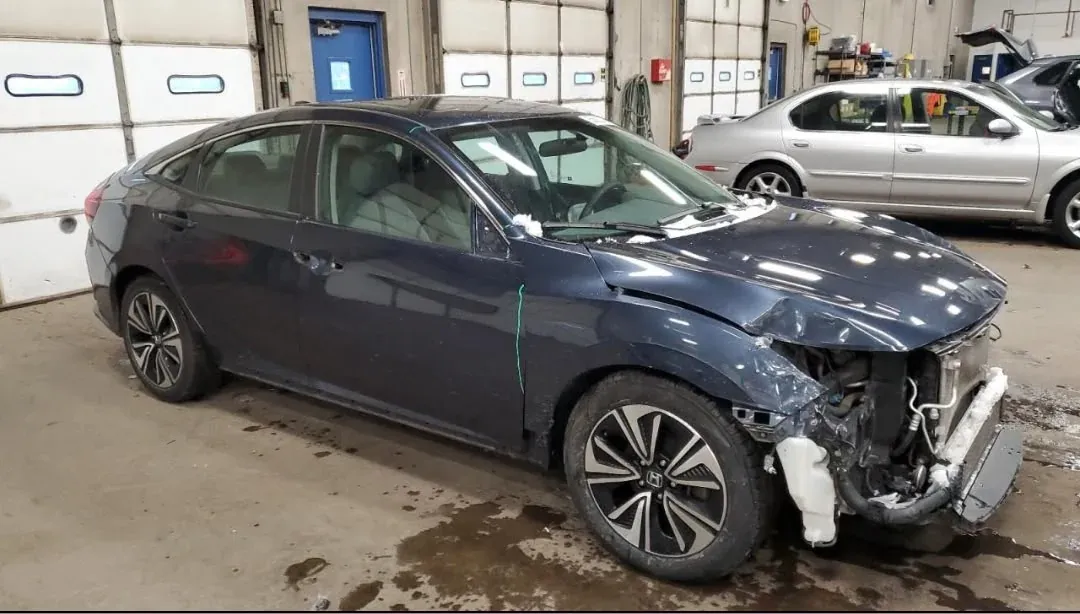
For bigger damage we run the claim ourselves: documentation and photographs to the adjuster, supplements filed directly when teardown finds more than the first estimate covered, and every insurance company accepted. Minnesota Statute 72A.201 makes steering an unfair claims practice, so whatever name your adjuster mentions, the choice of shop remains yours. We open the claim, meet the adjuster here at the car, and keep you copied on whatever gets agreed.