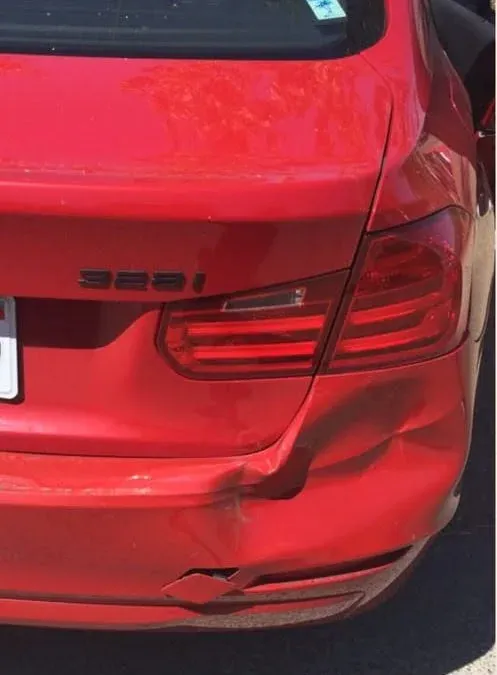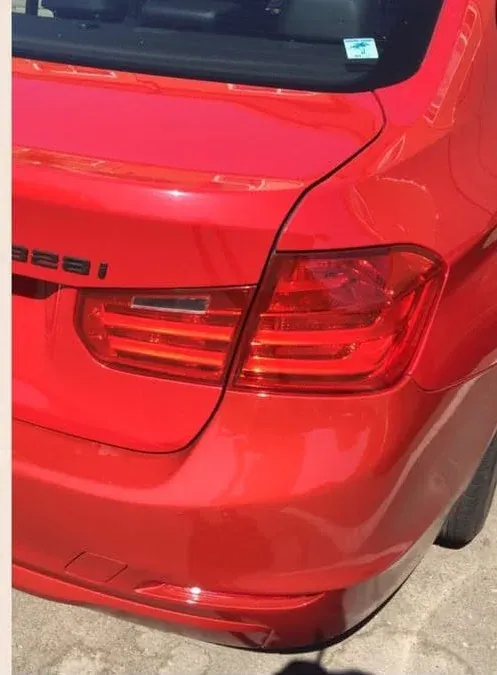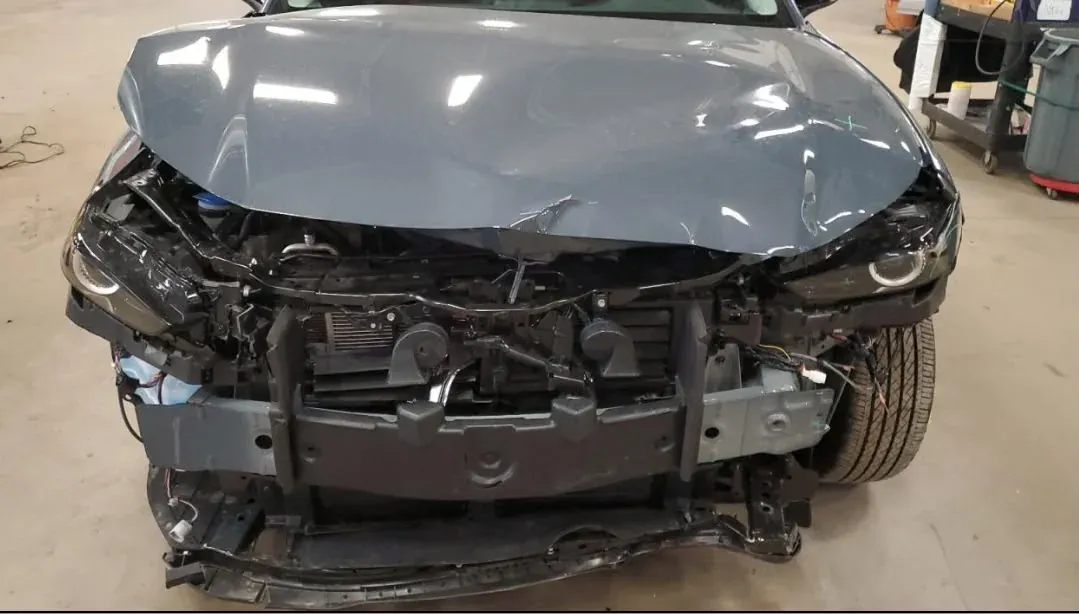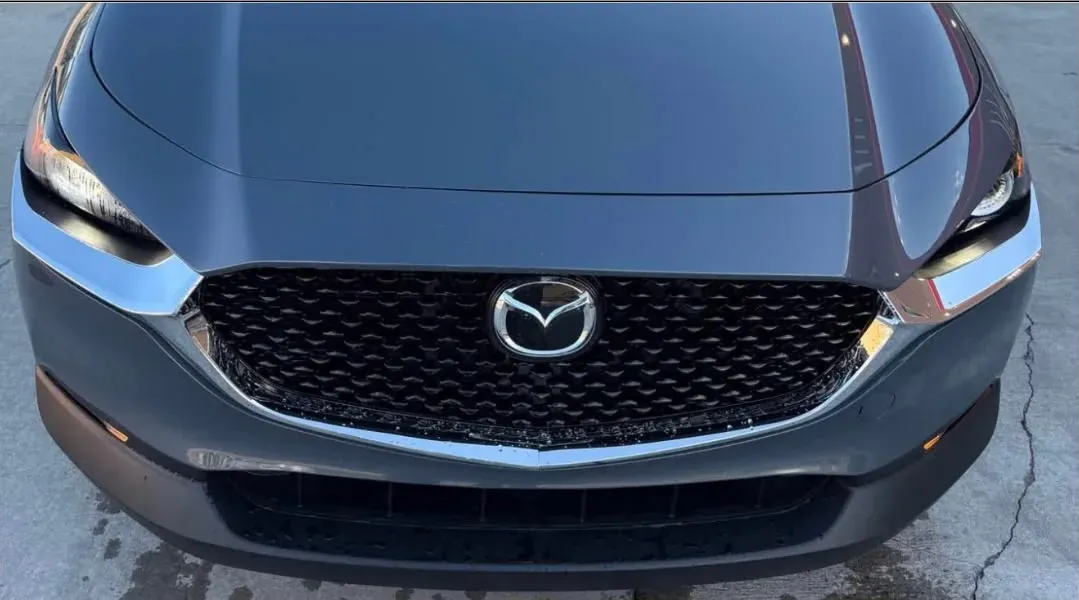
Rear bumper hits in Cliff Road traffic
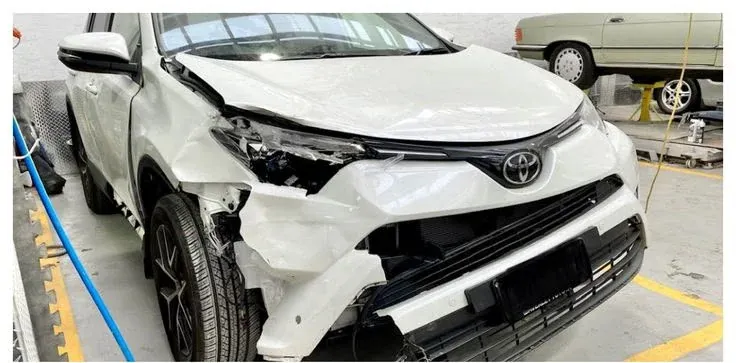
Eagan’s daily congestion sits at the intersections — Cliff Road, Pilot Knob, the ramps onto I-35E — and low-speed rear contact is what congestion produces. The car in front stops for a light that changed sooner than expected, and the bumper behind it arrives at eight miles an hour. That is enough to crack a cover, break the clips along the fender seam, and compress the absorber underneath. Eight miles an hour sits well inside the range these covers were engineered to absorb, and absorbing it is what ruins them.
Highway 13 runs diagonally from Eagan through Burnsville and into Savage, so the trip here is one road and roughly twenty to twenty-five minutes from Viking Lakes or the Premium Outlets. You do not need an appointment to have the damage looked at, and photos sent ahead mean the written estimate exists before you arrive rather than after you wait. If the car is drivable, there is no reason to rush the drop-off before the parts are here.
The electronics living inside your bumper
A rear bumper on a late-model vehicle is a housing for hardware. Park assist sensors sit in molded openings across the face, blind-spot radar modules mount in the corners behind the plastic, and cross-traffic alert depends on both being where the engineers put them. A cover that has been struck can move those a few millimeters, and a few millimeters is enough to change what the car sees. Aftermarket covers with slightly different sensor bores are a common source of alerts that will not clear.
Every one of those components is removed from the damaged cover, transferred to the repaired or replacement part, set to its factory position, and function-checked before the car leaves. If the vehicle calls for a formal recalibration after bumper work, it happens here as part of the job. Nothing goes back on the car untested because a warning light happened to stay off. The check happens in the lot, with someone walking behind the car, not only on a scan tool.
- Park sensors transferred and remounted to factory position
- Blind-spot and cross-traffic modules refitted, not approximated
- Camera housings and washer lines moved to the new cover
- Function check on every system before the keys go back
Both prices, then your decision
The repair-or-replace call is the whole estimate on a bumper job, so it gets made in the open. A cover with scuffs, scrapes, or a contained crack usually repairs and refinishes well. A cover that is torn through, has broken mounting tabs, or has a cracked sensor opening usually costs less to replace properly than to patch twice, and we would rather say so up front. Patching twice is the outcome nobody quotes for and everybody pays for.
Both figures land on one written estimate before anything is ordered. If replacement is the answer, the part comes under our OEM parts promise and the installation is warranted for as long as you own the vehicle. If repair is the answer, the refinish carries the same lifetime warranty. Either way one person owns the job from the estimate to the handover.