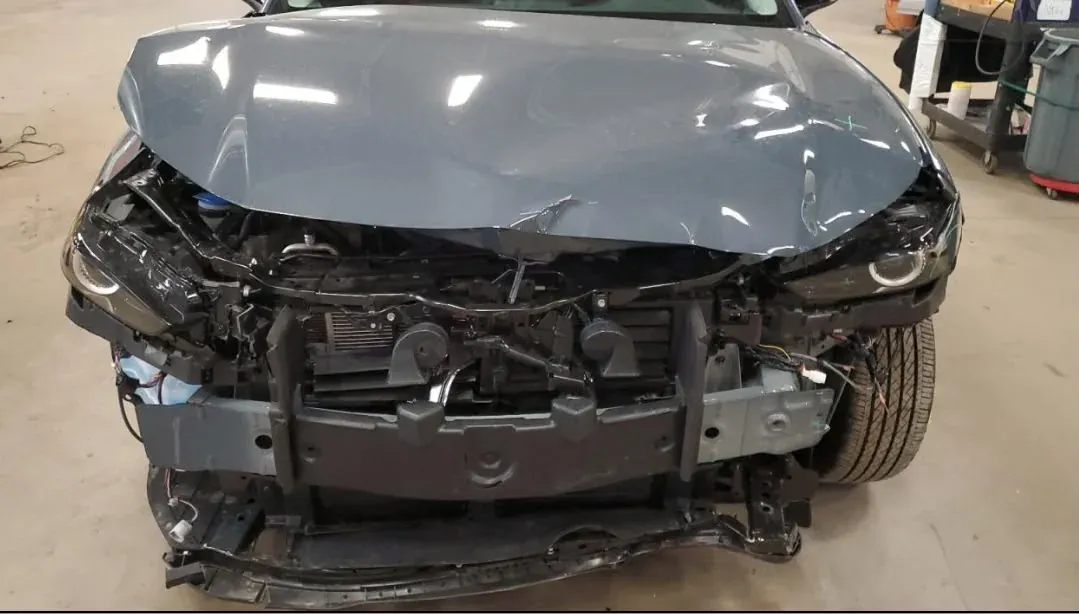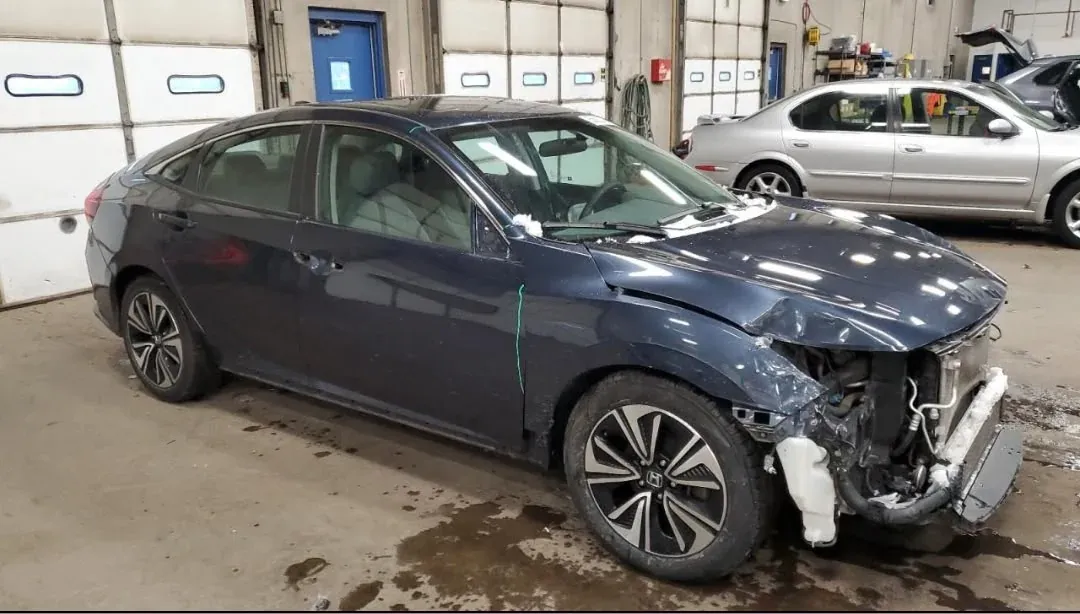
MQB bodies are full of hot-formed boron steel
Volkswagen’s MQB platform underpins the Golf, Jetta, Tiguan and Atlas, and one of its defining features is how much hot-formed boron steel goes into the passenger cell — the tunnel, the B-pillars, the rocker reinforcements and the front bulkhead area. Boron steel is formed and quenched in the press, and the strength that comes from that process is gone for good the moment somebody puts a torch or a puller on it.
Volkswagen publishes body repair manuals that specify exactly where a rail may be sectioned, which joints are welded and which are bonded and riveted, and which assemblies are replacement-only. That document, not a technician’s judgment, decides the plan. We measure on the laser system first, work to the published joints, then measure again and hand you both sets of readings with the finished invoice. Volkswagen documents its bodies unusually well, which means an estimate that ignores the manual is a choice rather than an oversight.
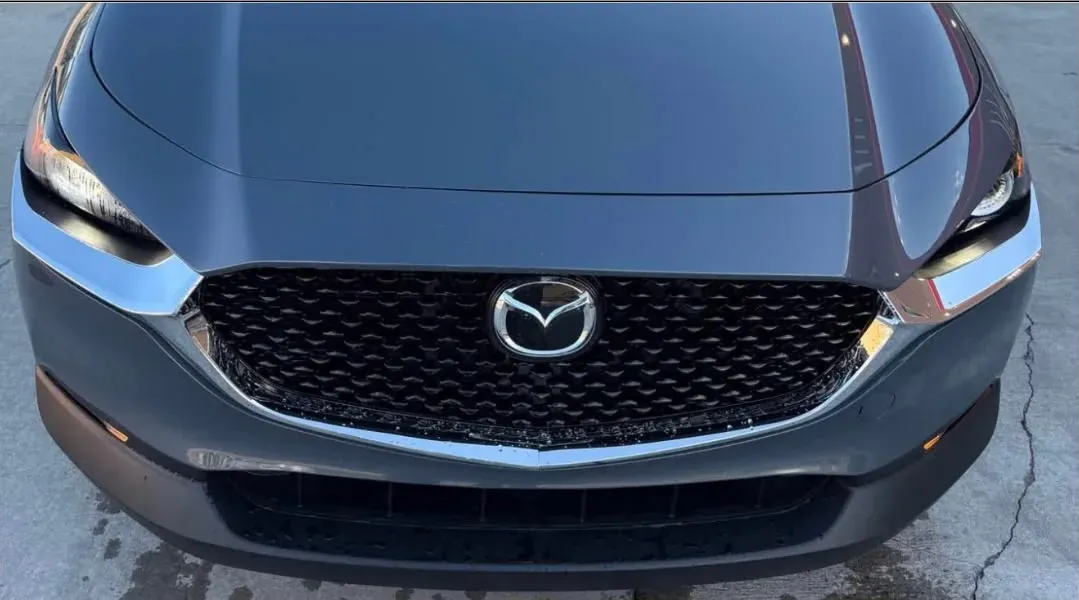
The badge on the grille is part of the driver assistance system
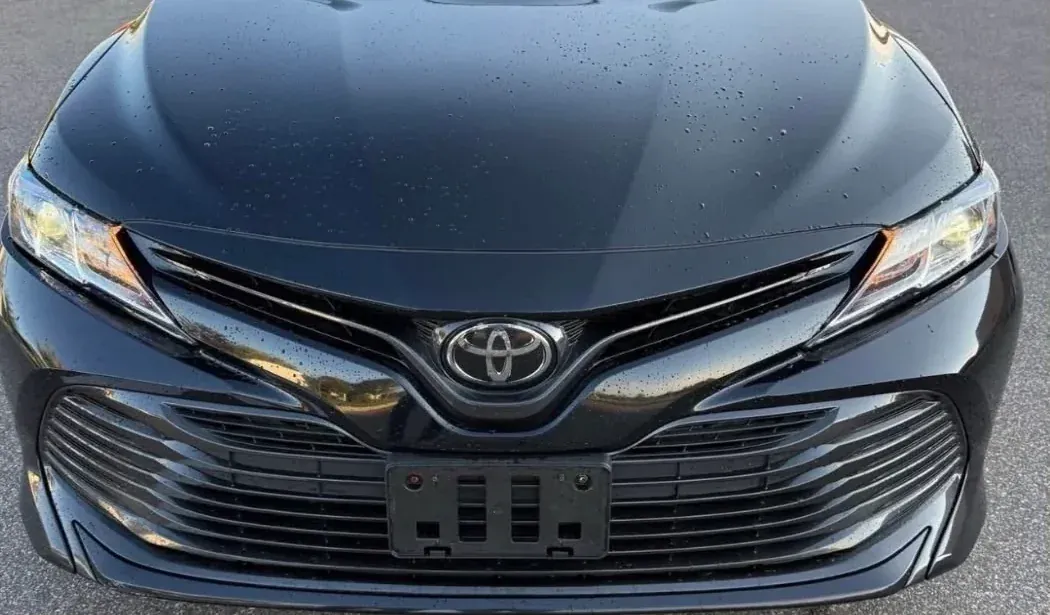
On Volkswagens equipped with IQ.Drive, adaptive cruise and front assist read from a camera at the top of the windshield and a radar module mounted centrally at the front of the vehicle, generally behind the badge or in the lower grille area. The badge in front of a radar is engineered to be transparent to it. Replace it with a heavier aftermarket part or a differently plated one and the sensor can lose range without ever setting a fault code.
That is a big part of why our parts promise is OEM and why we argue the point on estimates. Every Volkswagen is scanned before teardown and again after reassembly, the camera is calibrated to procedure when the windshield or bracket is disturbed, the front radar aim is addressed after fascia work, and the parking sensors and rear camera are function-checked before delivery. None of that shows in the finished car, which is exactly why it gets written down and handed to you at the end.
ID.4 work starts with the high-voltage system
The ID.4 carries its battery pack in the floor between the axles, which makes rocker panels, floor sections and the underbody part of the pack’s protection rather than ordinary sheet metal. Before any welding, grinding, cutting or structural pulling, the high-voltage system is shut down and allowed to discharge, and the vehicle is lifted only at the points Volkswagen specifies so no hoist arm ever loads a battery tray.
The rest of an ID.4 repair looks familiar — panels, alignment, refinish — but the inspection list is longer. Pack case condition, mount integrity and coolant routing all get looked at where the impact landed, and anything questionable is reported to you and to your insurance company in writing. Nothing gets buried under a new quarter panel because it would be inconvenient to raise. An electric car that leaves this shop has a documented battery inspection behind it.
- High-voltage system de-energized before any structural or heat-producing work
- Lifting only at Volkswagen’s specified points on electric models
- Boron steel sections replaced at published joints, never heated or pulled
- Pre-repair and post-repair scans documented on every Volkswagen