The first things that matter after a side impact
Check yourself before you check the car. Side impacts fire curtain airbags and scatter tempered glass, and the door on the struck side may not open — climbing out the passenger side is normal and fine. If anyone is hurt, call 911 and let the medics decide.
Then document the intersection, not only the cars. Which direction each vehicle came from, where the signal or stop sign sat, and where the vehicles ended up is what an adjuster reconstructs fault from. Photograph the whole scene from a few steps back before anything gets towed.
- Photograph both vehicles from four corners where they stopped
- Photograph the traffic control — signal, sign, or uncontrolled corner
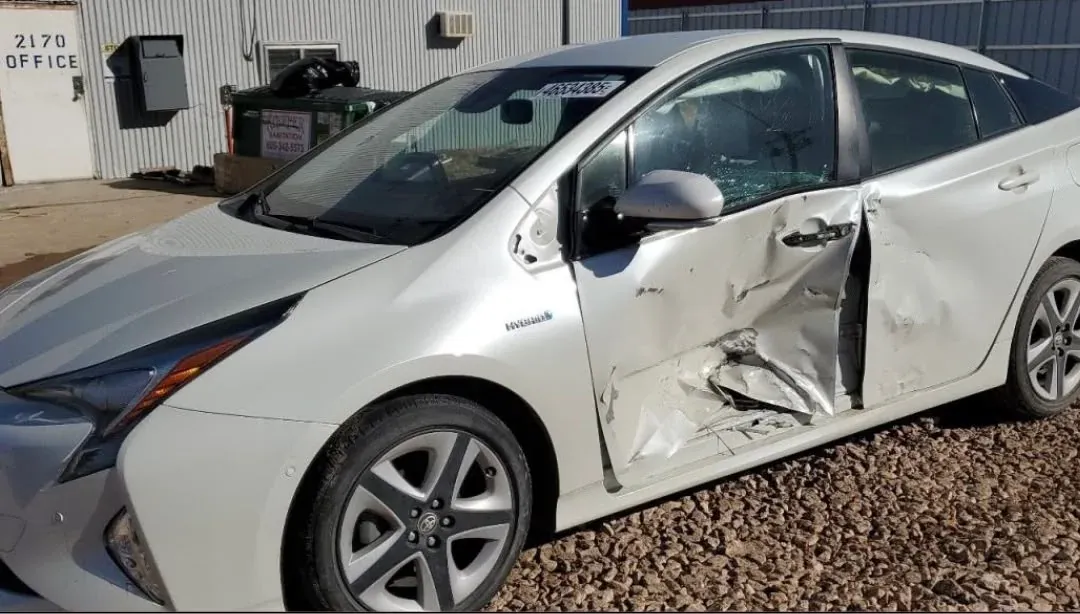
- Note which door, pillar, or wheel took the hit
- Get witness contacts; intersection crashes turn on them constantly
- Check whether side airbags deployed, and tell the shop if they did
How fault and coverage work in Minnesota
Property damage follows fault here, and in an intersection that usually means right of way. Minnesota also applies comparative fault, so responsibility can be split — one driver may be found mostly at fault while the other carries a share, and each insurance company pays accordingly.
Your PIP coverage handles injury costs regardless of fault because Minnesota is a no-fault injury state. For the car itself, the at-fault driver’s liability pays; if fault is contested, your collision coverage can start the repair now and your insurance company sorts out reimbursement later.
Why side impacts are a structural repair
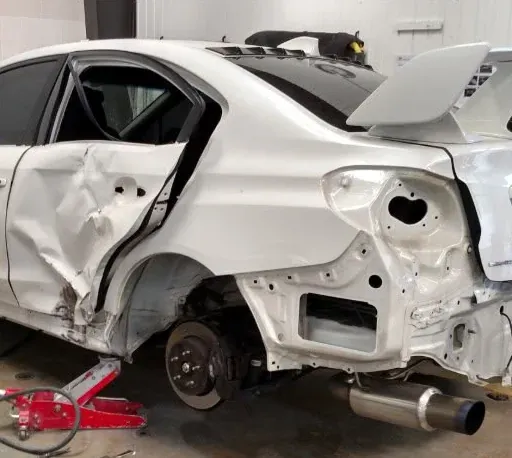
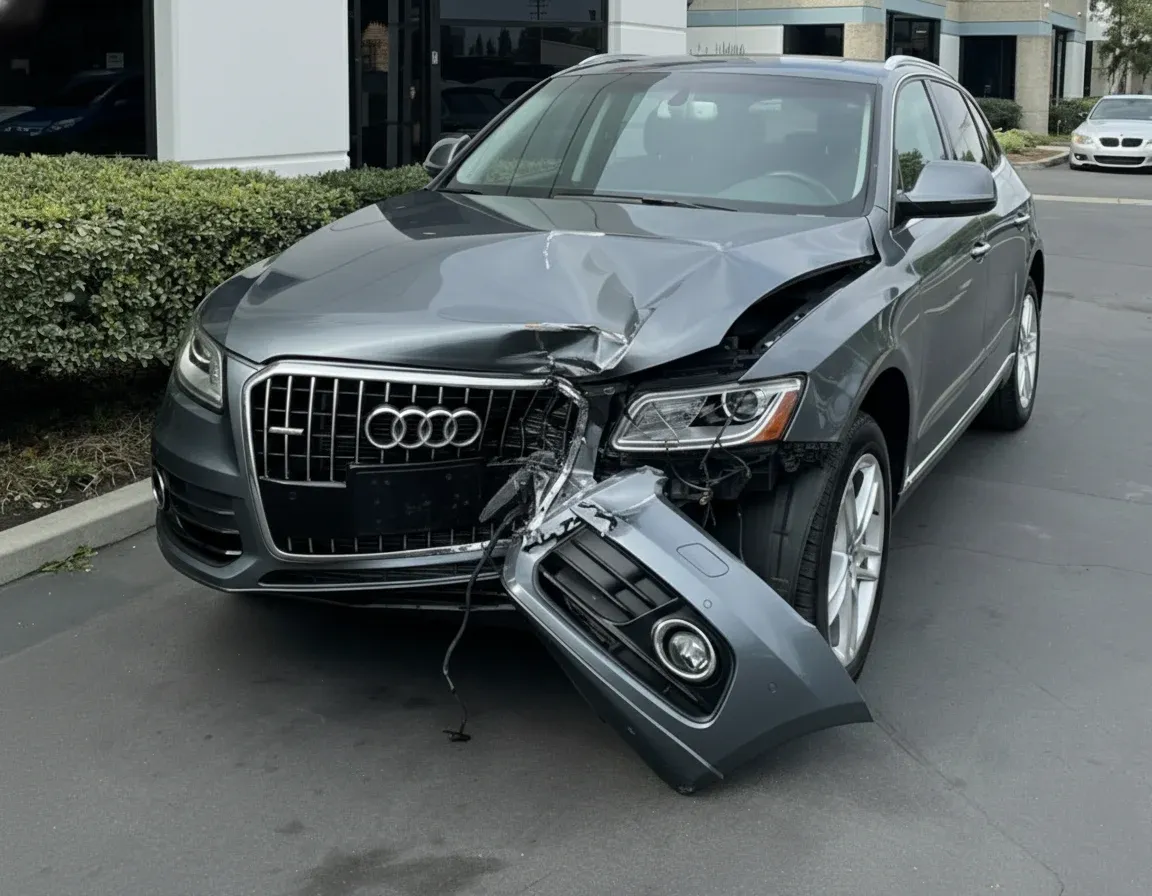
There is very little crush space in a door. A side hit transfers load straight into the B-pillar, the rocker panel, and the floor structure, and modern cars use high-strength steels there specifically to keep the cabin intact. Those materials have strict rules about what can be heated, pulled, or sectioned.
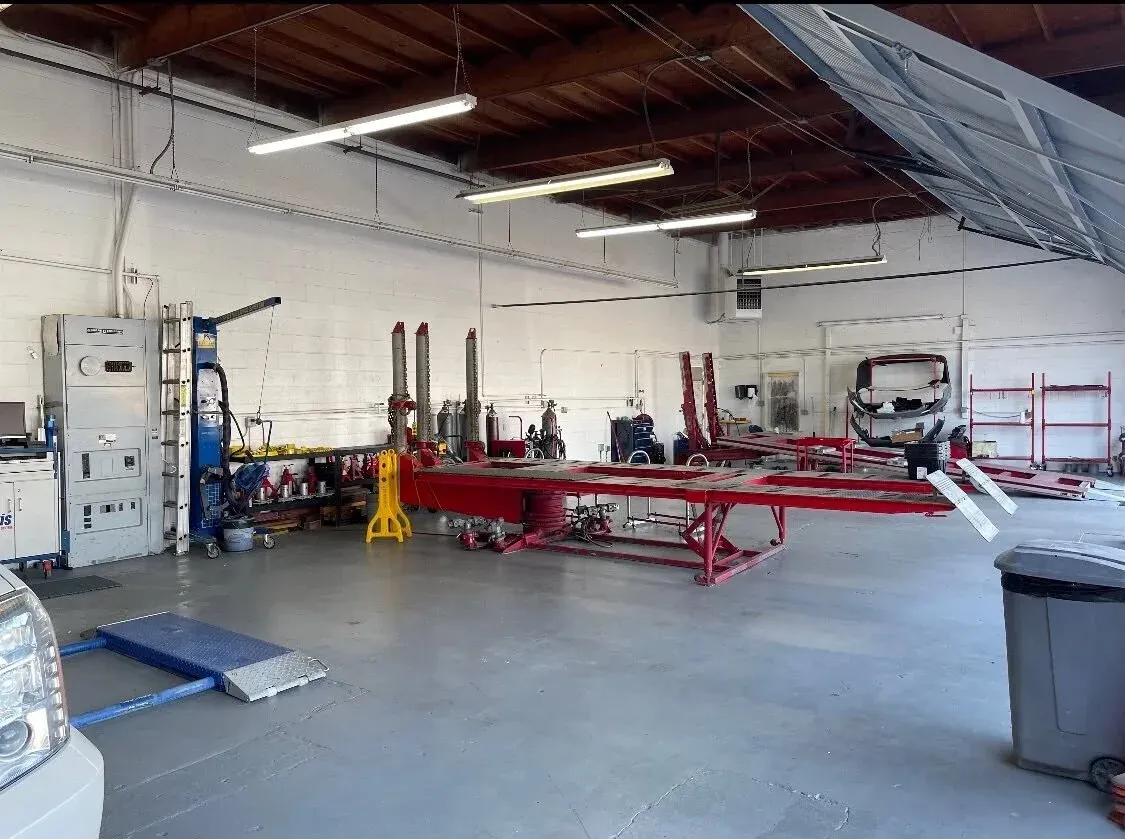
That is why this work starts on a measuring system rather than at a paint booth. We compare the body against factory dimensions, document the numbers before and after, and follow manufacturer procedures for the panels involved, including any that are only allowed to be replaced rather than repaired.
- Laser measuring against factory specification, recorded before and after
- Manufacturer procedures followed for high-strength steel and aluminum
- Door skins, intrusion beams, and hinges checked, not just the outer panel
- Deployed restraint components replaced, never reset
- Doors, glass travel, and seals refitted so wind noise does not appear later
What to do with the car now
If it is drivable, a walkthrough at the shop tells you far more than photos can — we open and close the doors, look down the side in raking light, and check the rocker underneath. If it is not drivable, we coordinate the tow into Savage and take it from the flatbed.
Structural files need documentation, and we build it: photographed teardown, measurement printouts, and OEM procedure sheets that go to the adjuster with the estimate. Call (651) 460-9996 to get it started, or send photos for a written estimate within 24 hours.