What to do in the first ten minutes
Safety first, documentation second, conversation last. If both cars are drivable, move them onto the shoulder or into a nearby lot before you start taking pictures — a rear-end crash on Highway 13 or County Road 42 leaves you standing in live traffic otherwise. Turn the hazards on and stay out of the lane.
Minnesota Statute § 169.09 requires drivers to stop, exchange name, address, and insurance details, and to report a crash that involves injury, death, or apparent property damage above the state’s reporting threshold. When police respond at the scene, they normally file that report for you.
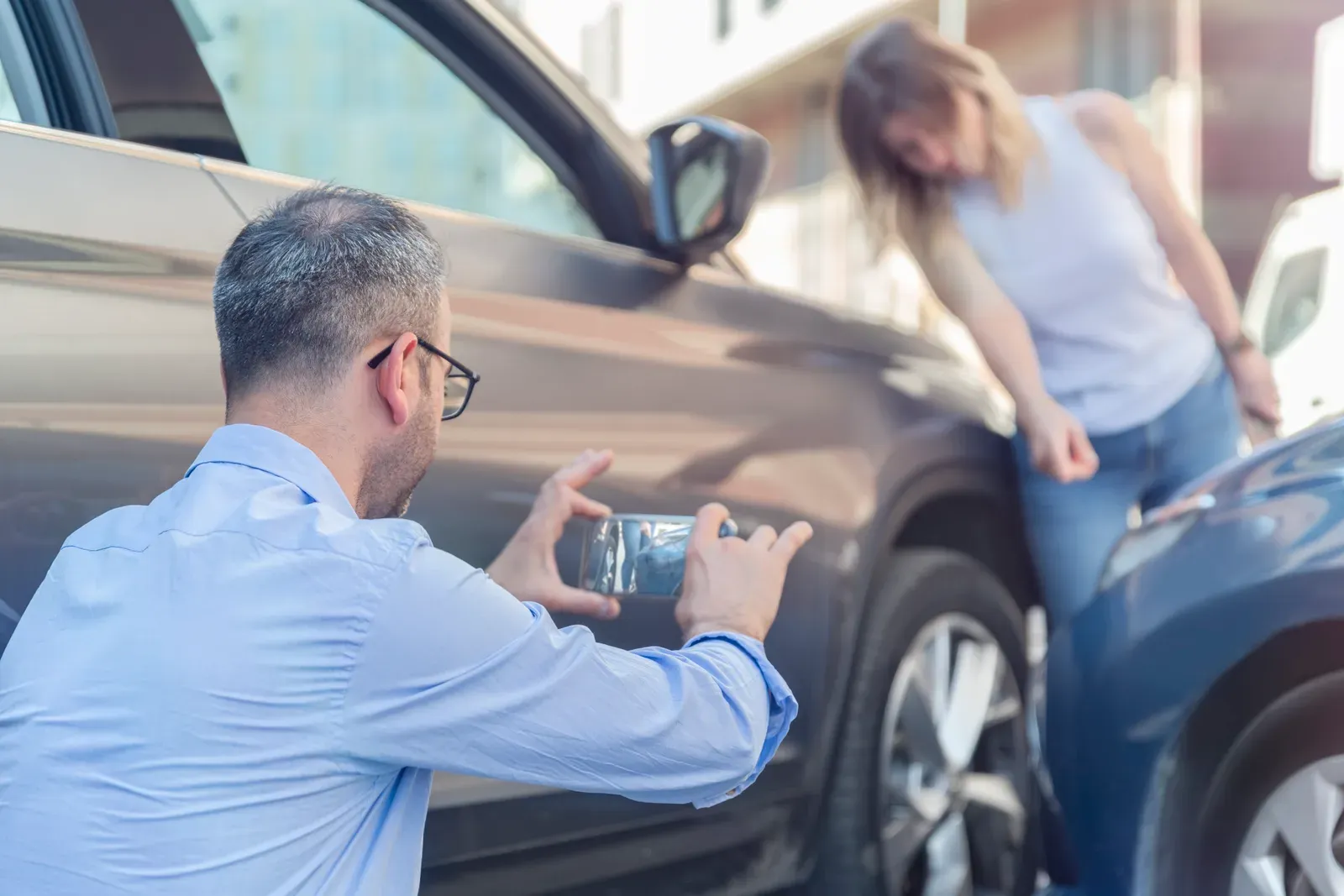
- Photograph both bumpers together, before either car is moved
- Photograph the other car’s plate, insurance card, and driver’s license
- Note the lane, the light or stop sign, and the weather
- Ask any witness for a name and phone number before they drive off
- Say nothing about fault — describe what happened, not who is to blame
Who pays for a rear-end collision in Minnesota
Minnesota is a no-fault state for injuries, which means your own PIP coverage handles initial medical costs no matter who caused the crash. Vehicle damage works the other way: it follows fault, and the driver who hit you owes it. Their liability coverage should pay your repair in full, with no deductible coming out of your pocket.
If the other driver disputes it or their insurance company drags, you can run the repair through your own collision coverage, pay the deductible, and let your insurance company recover from theirs. Whichever route you choose, Minnesota Statute § 72A.201 forbids either insurance company from steering you to a particular shop.
What a rear-end repair actually involves
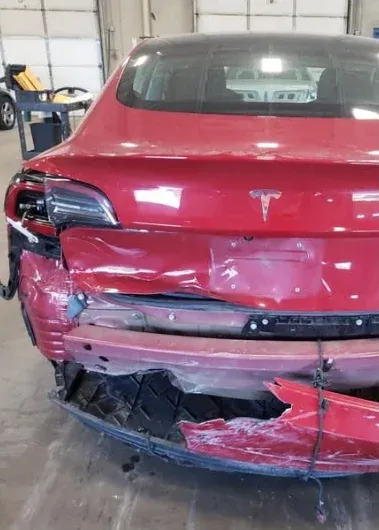
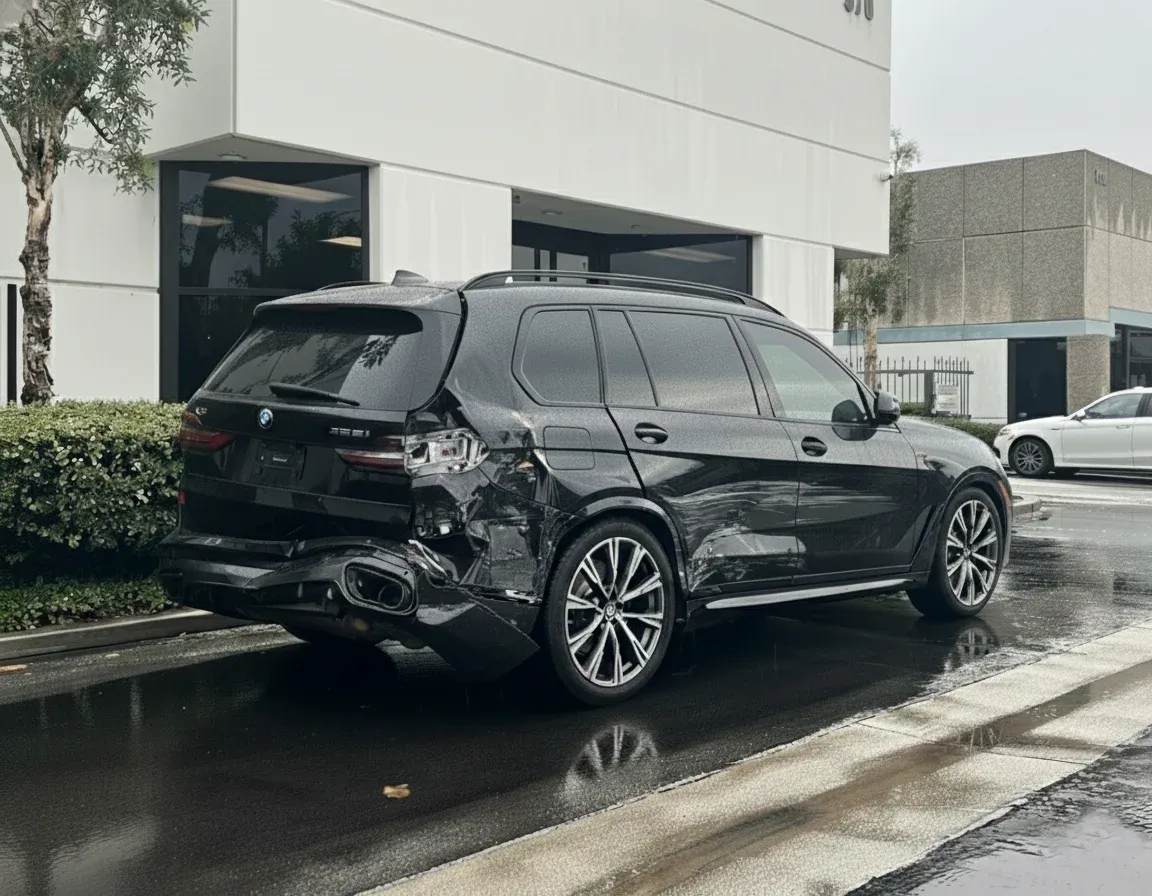
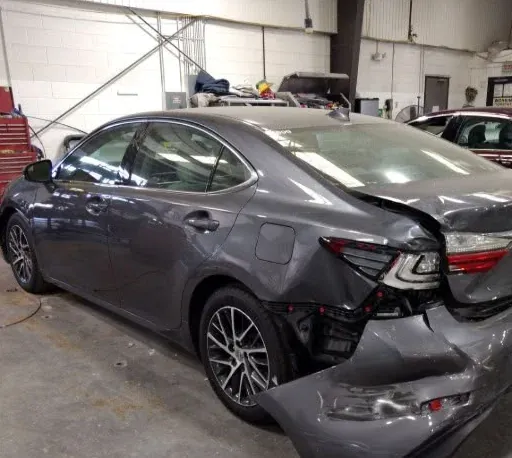
The bumper cover is the least of it. Behind that plastic sit an absorber, a reinforcement bar, and the rear frame rails, and a hit hard enough to crack the cover has usually pushed something behind it. That is why the estimate is not final until the cover comes off and the damage is photographed.
On newer vehicles the rear bumper also carries park sensors, blind-spot radar, and sometimes a camera. Those come off, get inspected, and get checked after reassembly — a radar module that is a few degrees out of position is a safety system that no longer sees what it should.
- Cover removed, absorber and reinforcement bar inspected and photographed
- Trunk floor, rear rails, and body mounts measured when the impact was firm
- Sensor and radar mounting points verified before the cover goes back on
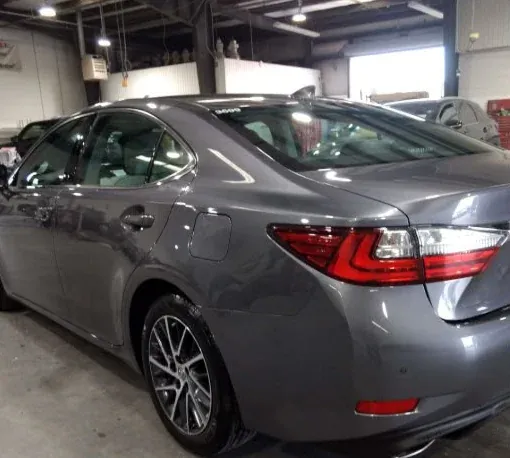
- Color matched to your paint code and blended into the quarter panels
Getting a real number without driving anywhere
Send three photos from wherever you are standing — the whole car, the damaged corner, and a close-up of the bumper — and a written estimate comes back within 24 hours at no cost. That gives you a number to compare against whatever the other driver’s insurance writes.
If the car is not safe to drive, call us at (651) 460-9996 and we will coordinate the tow to 8080 W 125th St in Savage. We work with every insurance company, meet the adjuster here, and file the supplement ourselves when teardown finds more than the photos showed.