Check these before you drive off
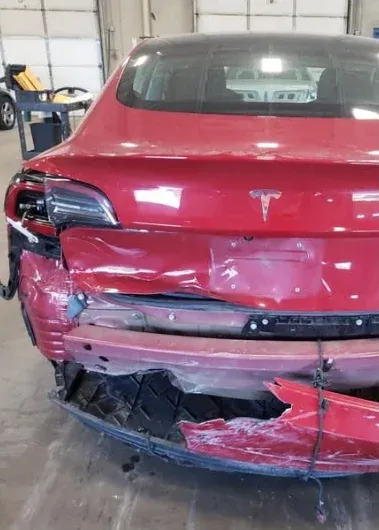
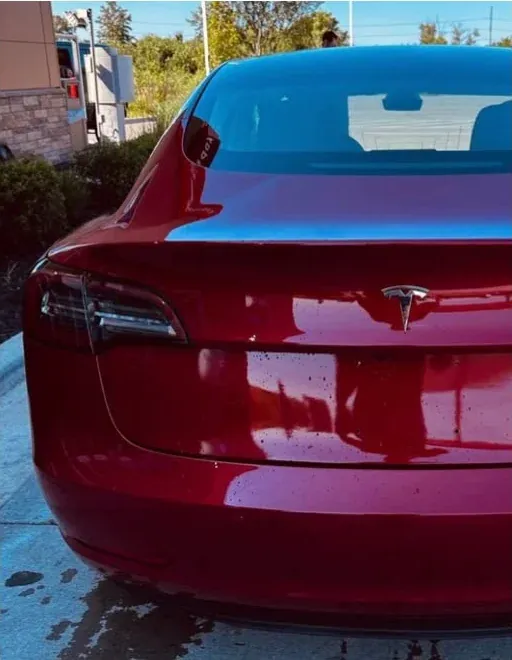
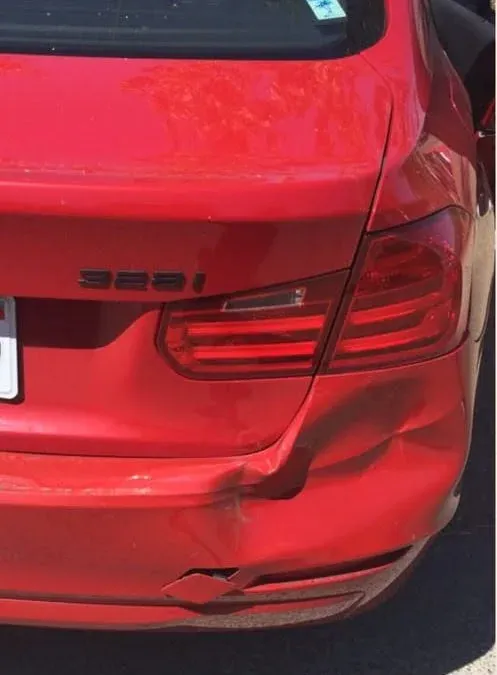
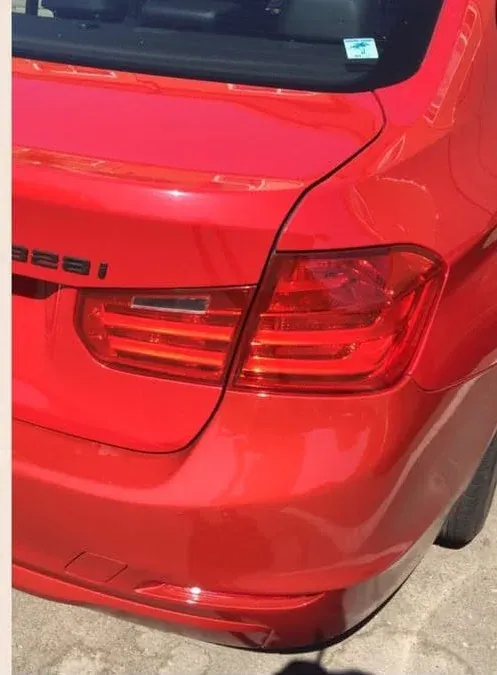
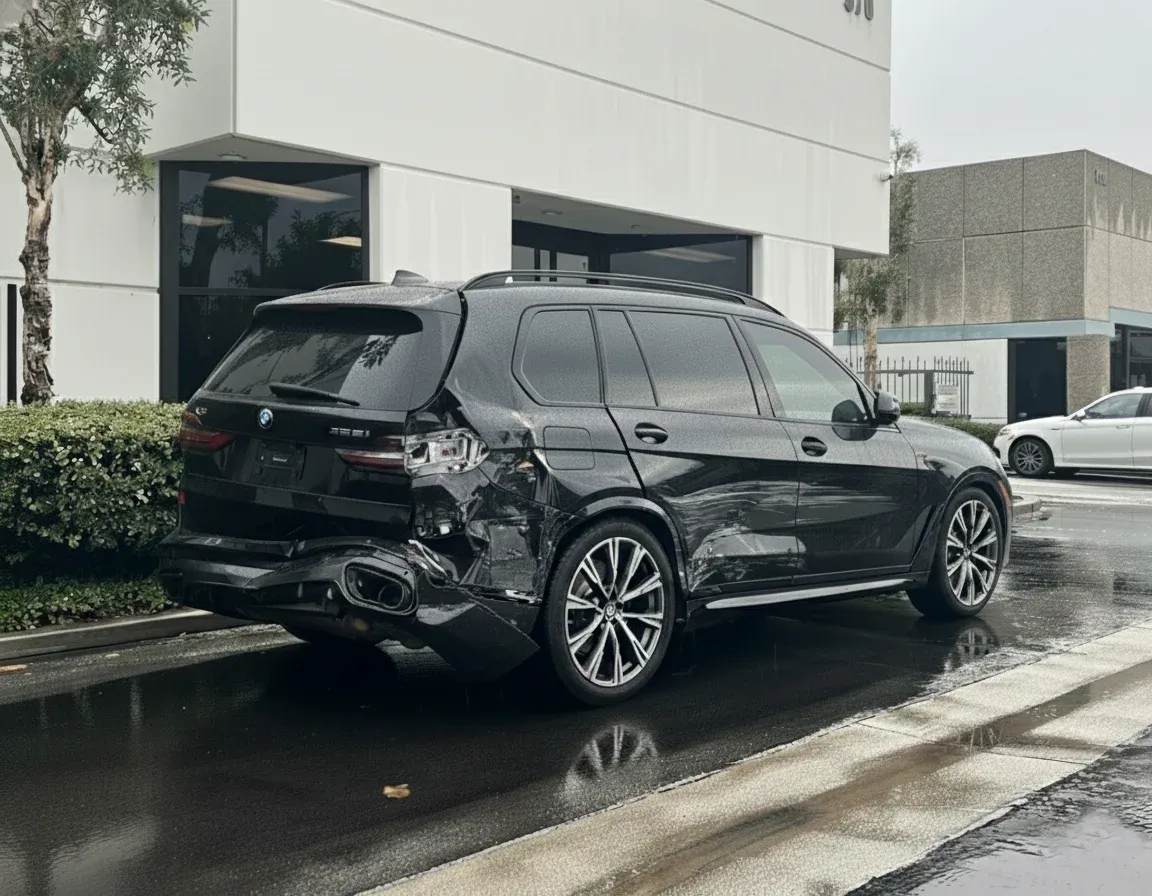
Reverse impacts happen at low speed with a lot of leverage. Pull forward far enough to see the whole rear of the car, then look for three things: a cracked or pushed-in cover, a tailgate or trunk lid that no longer closes evenly, and any parking sensor that has gone quiet or started chiming for nothing.
Bollards and light-pole bases are unforgiving because they concentrate everything into a few square inches. That is why a mark the size of a saucer can still mean a bent reinforcement bar behind the cover, which is not something you can see from outside.
- Bumper cover for cracks, punctures, and separated mounting tabs
- Tailgate or trunk lid gaps — even on both sides, closing normally
- Parking sensors and rear camera for warnings or dead spots
- Exhaust tips and rear valance for contact
- Tail lamp lenses and their mounting tabs
How this claim works
Hitting a fixed object is a collision loss, so your collision coverage responds and you pay your deductible. There is no other party to pursue and no liability claim involved unless you also damaged the property you backed into, which would go under your property damage liability.
Because single-vehicle collision claims are generally rated as at-fault, it is worth getting a written estimate before you call anyone. A cracked cover on a common vehicle may come in close enough to the deductible that paying directly is the better outcome — confirm your deductible with your agent.
What the repair involves
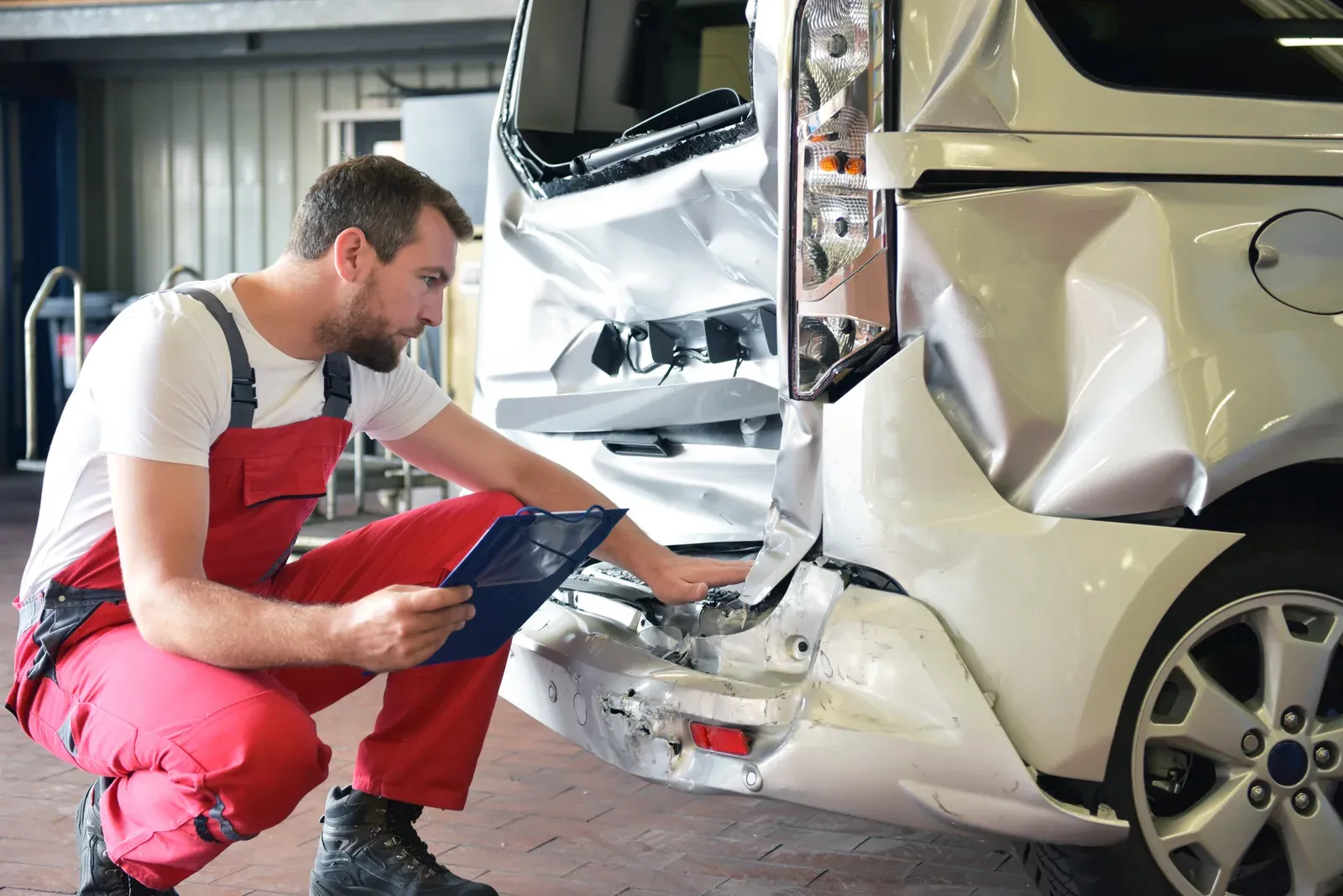
The cover comes off first. Underneath is an absorber and a reinforcement bar, and on most vehicles the rear rails end just behind them, so we look at whether the impact stopped at the plastic or traveled further into the structure. That determines whether this is a two-panel job or a measured one.
Rear bumpers on late-model cars also carry park sensors, cross-traffic radar, and sometimes a camera. Those get removed, inspected, and refitted to their correct positions, because a sensor that reads a few degrees off is a driver-assist system quietly giving you wrong information.
- Cover repaired or replaced depending on where the damage sits
- Absorber and reinforcement bar inspected, and replaced if bent
- Rear rails measured when the impact went past the plastic
- Sensors, radar, and camera refitted to their correct positions
- Refinish carried across the panels either side of the repair
Getting a number quickly
Send a straight-on shot of the rear, a close-up of the damage, and one from a low angle showing under the bumper. A free written estimate comes back within 24 hours, itemized so you can compare it to your deductible before deciding anything.
If it turns out to be structural, we measure against factory specification and document the numbers before and after. Either way you get a written timeline with the estimate. We are five minutes off Highway 13 in Savage at 8080 W 125th St.