The Navigator is an aluminum body on a steel frame
Lincoln builds the Navigator the way Ford builds the Expedition it shares its bones with: an aluminum-alloy body over a high-strength steel frame. That combination is excellent for weight and it is unforgiving in a body shop, because aluminum panels crack rather than stretch, cannot be heated to relax a crease, and corrode from the inside out if steel particles are left embedded in bare metal. None of that is a reason to avoid the vehicle. It is a reason to plan the job properly before starting it.
Aluminum work here is kept away from steel dust and steel tooling for exactly that reason, and the joining specifications — rivets, adhesives, replacement points — come from the published procedure for that body and year rather than from experience with a different truck. The frame underneath gets its own treatment: laser measurement against factory dimensions before and after any correction, documented both ways. A Navigator puts a great deal of weight on that frame, so the tolerance for a structure that is roughly right is small.
Electronic door hardware and the details Lincoln owners notice
Lincoln has moved away from conventional door handles on several models, using electronic releases with a mechanical backup instead. That changes what a damaged door involves: wiring, control modules, and a latch system that has to be checked electrically as well as mechanically before the vehicle goes back. It also means a door that is out of alignment can produce faults rather than just a bad gap.
The rest of the car sets a similar standard. Lincoln buyers are paying for quiet and for panel fit, so acoustic glass, sound-deadening materials and door seals get inventoried at teardown and reinstalled rather than left in the parts bin. A repair that is structurally perfect but adds wind noise at 60 miles per hour has not met the bar this vehicle was bought against. Wind noise is the single most common complaint we hear about repairs done elsewhere on cars in this class.
- Aluminum panels worked with tooling kept clear of steel contamination
- Frame dimensions laser-recorded before and after structural correction
- Electronic door releases checked electrically and mechanically after door work
- Acoustic glass, seals and sound-deadening reinstalled rather than omitted
Co-Pilot360 sensors and Lincoln’s premium finishes
Lincoln Co-Pilot360 uses a forward camera at the windshield and radar at the front of the vehicle, with corner radars in the rear bumper for blind spot monitoring and a surround-view camera set on higher trims. On a Navigator the rear coverage extends to include a trailer, which makes the rear sensors more consequential than on a typical crossover. Everything gets scanned before teardown and after reassembly.
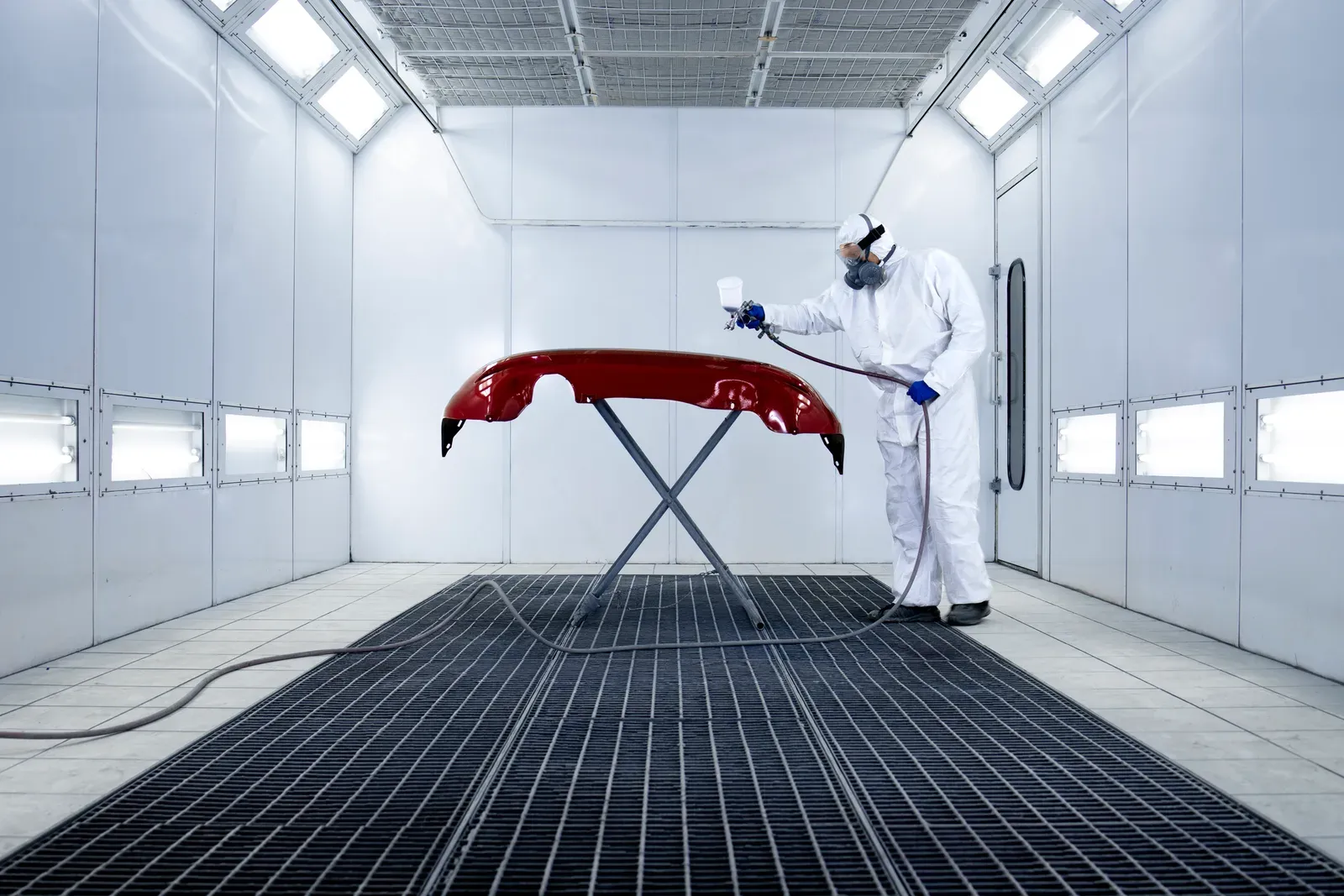
Lincoln’s color palette runs to deep, heavily layered finishes with fine flake and considerable depth — the kind that look extraordinary when the film build is right and obviously off when it is not. Each one gets a spray-out card built the way the panel will be built, compared under booth light and in daylight, adjusted, then blended into the surrounding panels and warrantied for life. Depth is what these colors are sold on, and depth is what a hurried refinish takes away first.