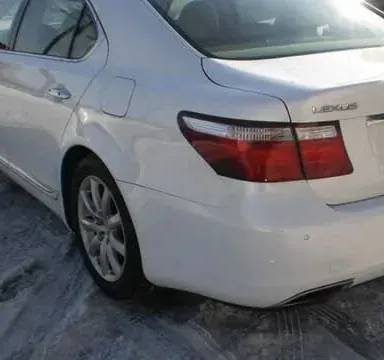
Lexus bodies are built tighter than the Toyotas they share with
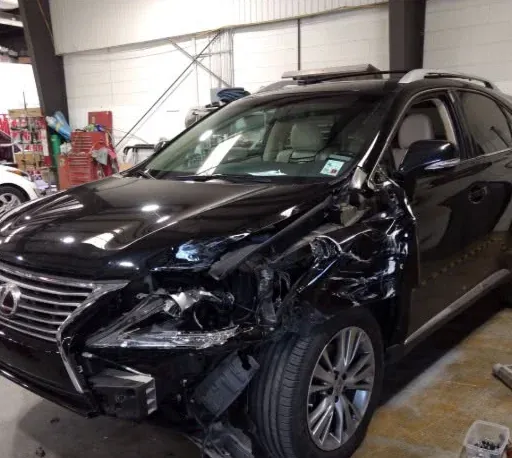
A Lexus is not simply a better-trimmed Toyota. On top of the shared platform architecture, Lexus adds joining techniques aimed at body rigidity — additional welds, laser screw welding in defined areas and structural adhesive along seams that a mainstream car would leave bare. The result is a shell that feels different on the road and behaves differently on the bench, because those adhesive-bonded seams have to be reproduced correctly when a panel comes off.
The LS and LC take it further with aluminum in the closures and structural members. So the first job on any Lexus here is identifying what each damaged member actually is, then pulling the published procedure for that part. Structural readings are taken on the laser system before and after correction, and they go in your file with the teardown photographs. Bonded seams in particular have to be reproduced with the specified adhesive, because a seam that is only welded will drum and flex where the factory one did not.
Lexus Safety System+ and the spindle grille
Lexus Safety System+ combines a forward camera at the top of the windshield with a millimeter-wave radar at the front of the vehicle, generally behind the emblem area of the spindle grille, plus rear corner radars for blind spot monitoring. Pre-collision braking, lane tracing assist and dynamic radar cruise control all read from those units, and the grille they sit behind is one of the most commonly damaged parts on the car.
Every Lexus is scanned before teardown and again after reassembly, with both reports filed. Genuine parts are specified for the grille, emblem and bumper covers where sensors read through them, and any calibration published for the work performed is completed and verified before the car goes back. Hybrid RX and ES models get the high-voltage system de-energized before structural work near the pack or its cabling. Hybrid or not, the car is scanned on the way in and again on the way out.
- Forward camera calibrated after windshield replacement or bracket disturbance
- Front radar aim addressed after spindle grille or fascia replacement
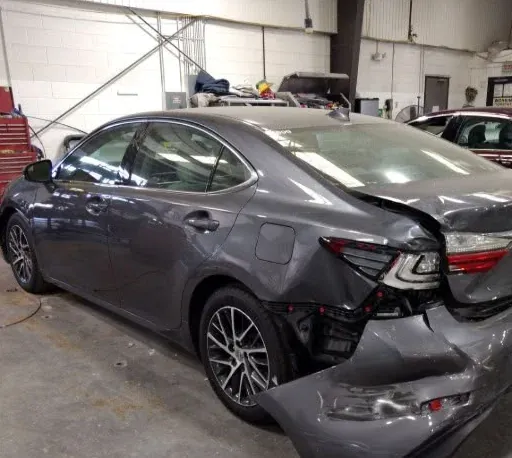
- Rear corner radars function-checked after any rear-end repair
- Hybrid high-voltage system de-energized before welding or structural work
Sonic paints are why Lexus refinishing gets tested first
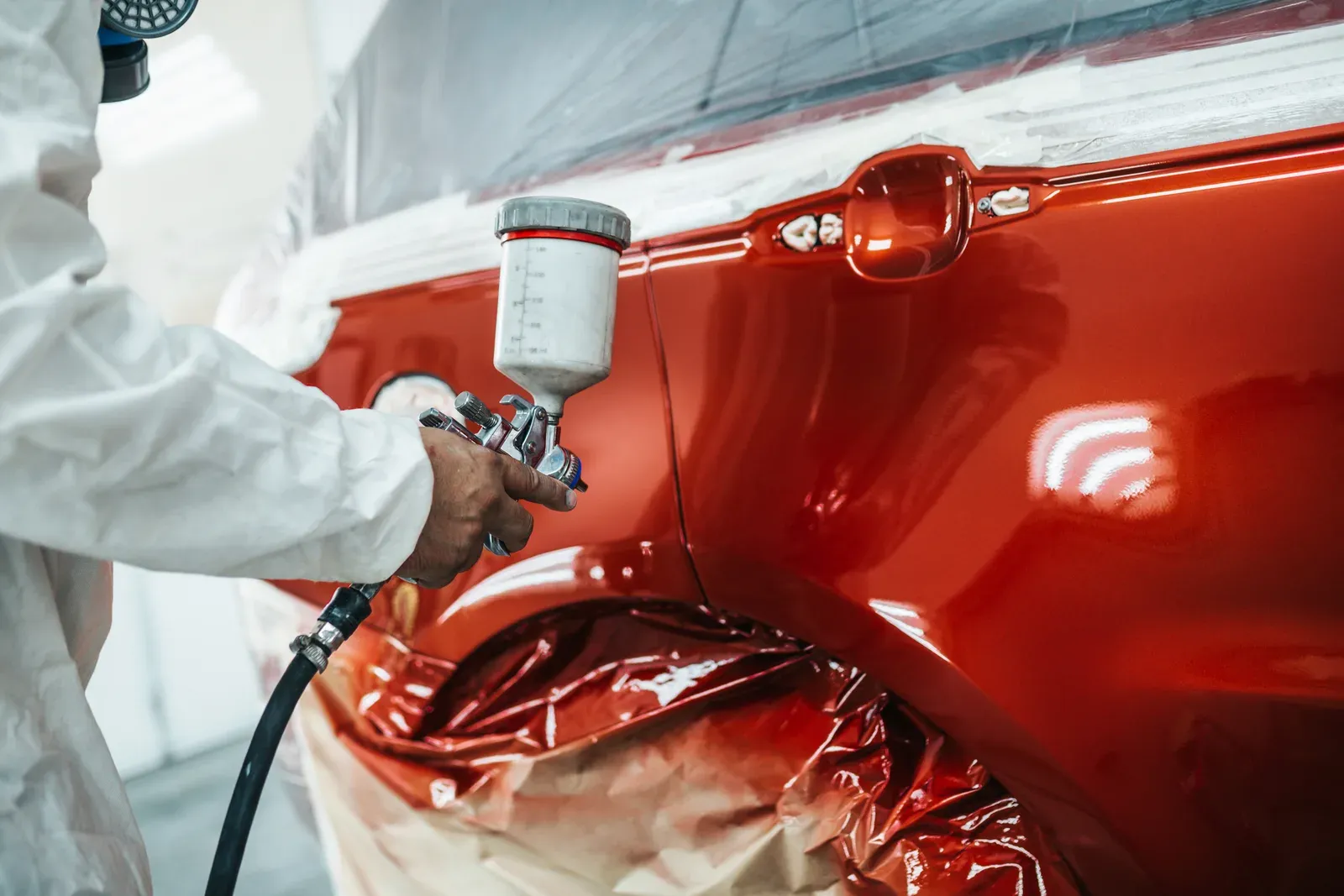
Lexus developed its Sonic family of finishes — Sonic Titanium, Sonic Iridium and their relatives — around a very thin, densely packed metallic layer that produces sharp light-to-shadow contrast across a body line. That density is the whole effect, and it is also what makes the color hard to reproduce: film build, gun distance and pass count change the flake orientation and therefore the appearance far more than they would on an ordinary metallic.
None of that is a reason to accept a mismatch, but it is a reason to test. Every Lexus refinish here begins with a spray-out card built the same way the panel will be built, checked against your car under booth light and in daylight, adjusted, and only then committed. The color is blended into adjacent panels, and the work carries our lifetime paint warranty in writing. A Lexus that leaves with a visible blend line has not been finished.