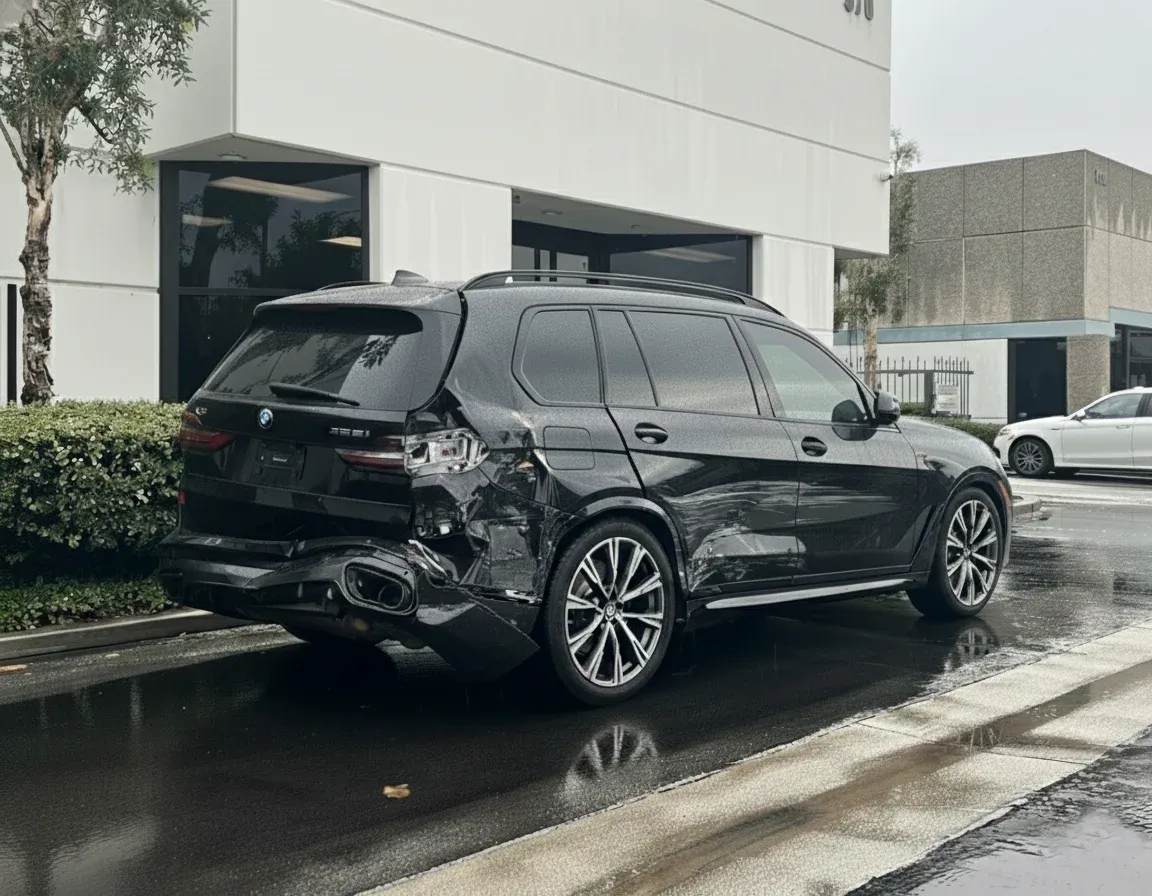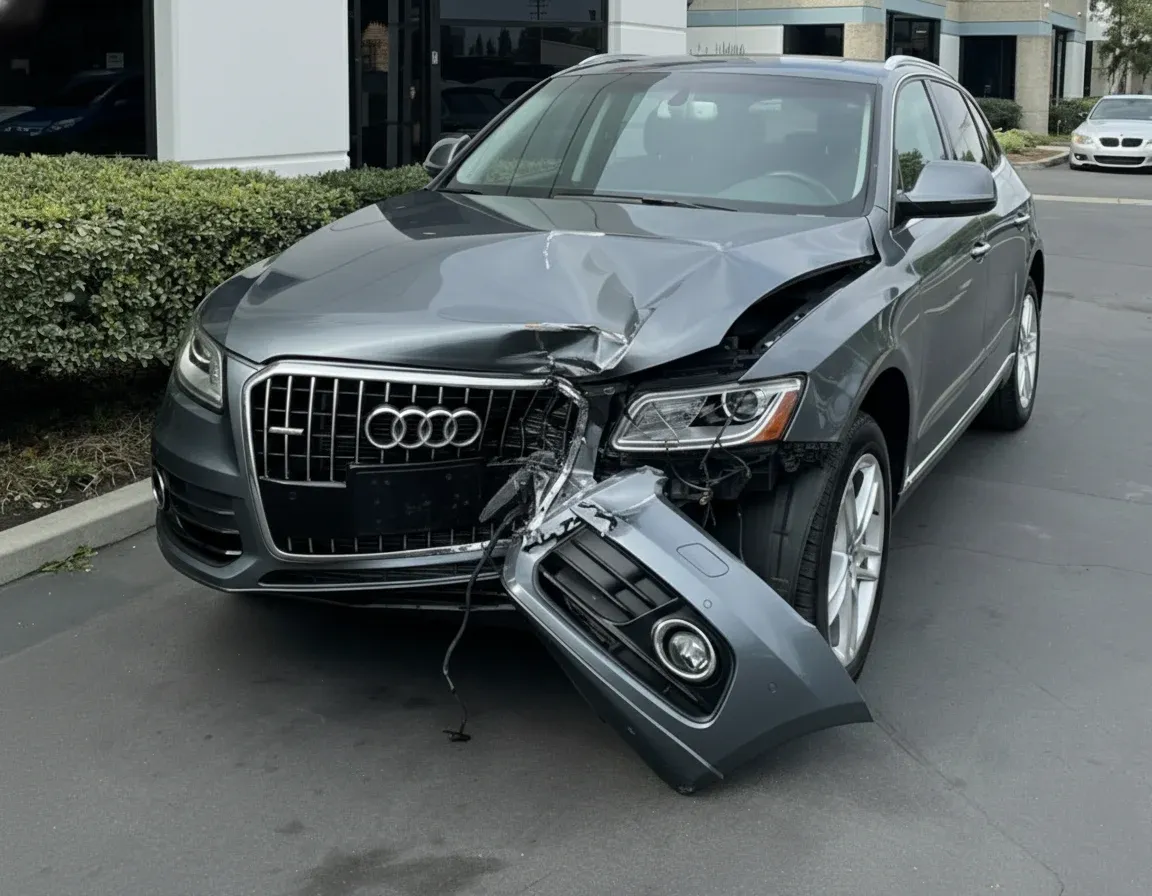
These are riveted and bonded aluminum bodies, not steel ones
Land Rover moved its core vehicles to aluminum-intensive monocoques years ago, and the Range Rover, Range Rover Sport, Velar, Discovery and Defender all use bodies assembled largely with self-piercing rivets and structural adhesive rather than with the spot welds a steel shell relies on. That is not a detail. It means a damaged section is drilled, replaced and re-riveted to a published pattern, with the specified adhesive, in the specified sequence. There is no shortened version of that operation.
It also means the material cannot be heated to make a panel cooperate, and it cannot be worked in the same dust as steel — particles left in bare aluminum corrode from underneath and appear as bubbling under fresh paint later. Aluminum work here uses its own tooling and abrasives, and the joint specifications come from the procedure for that body rather than from habit. Rivet pattern and adhesive choice are not details a technician improvises. They are what holds the body together.
Air suspension and terrain hardware change how the vehicle is handled
Most Land Rovers ride on air suspension, which has to be put into the correct service state before the vehicle goes on a hoist. Lifting one that still thinks it is on the road can damage components and leave faults stored in the system, so the sequence matters before anyone touches a panel. Ride height then has to be verified afterward, because alignment on these vehicles is meaningless at the wrong height.
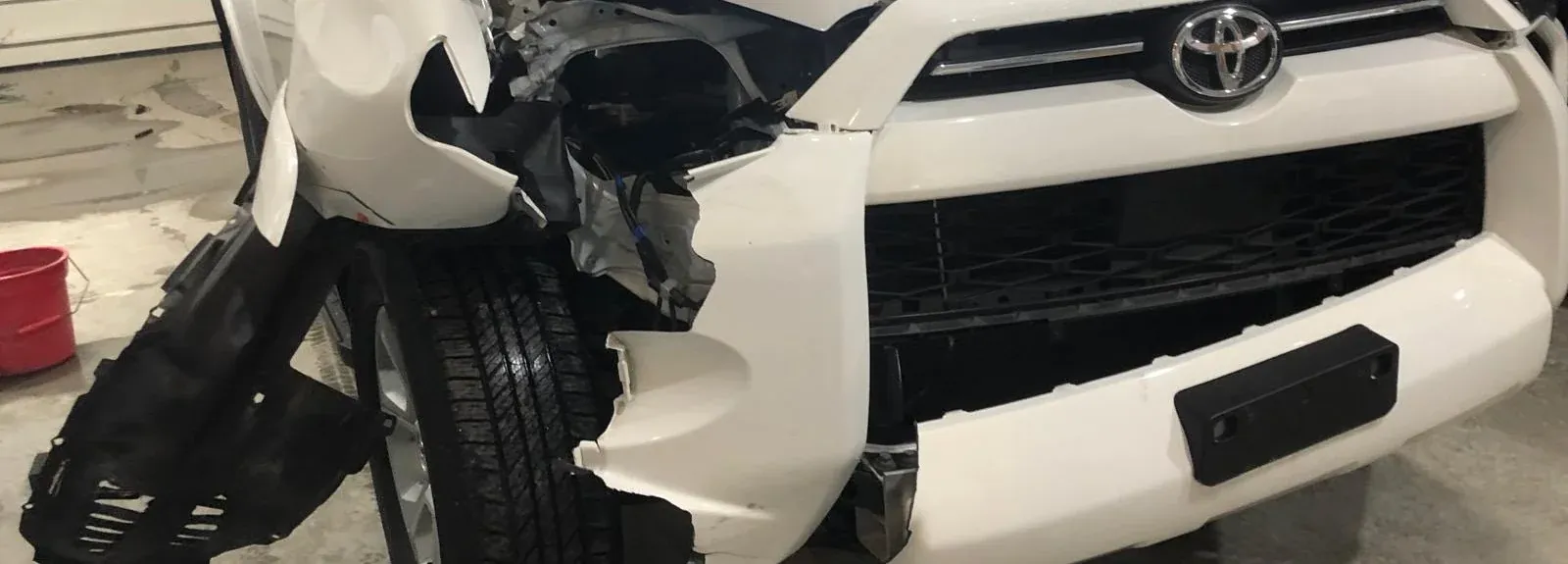
Off-road hardware brings its own damage patterns. Rock strikes load rocker sections and underbody protection, trail use tears fender liners and mounting tabs rather than cracking panels in the middle, and a hard impact underneath can move structure without denting anything visible. All of that is inspected from beneath rather than assessed from the driveway, and measured when there is any doubt. A vehicle that spent a weekend on a trail and now pulls slightly is telling you something worth measuring.
- Self-piercing rivets and structural adhesive applied to the published pattern
- Aluminum work isolated from steel dust and steel tooling
- Air suspension placed in the correct service state before lifting
- Ride height verified before alignment is checked or signed off
Santorini Black, satin finishes and getting the color right
Land Rover’s most popular colors are among the least forgiving to repair. Santorini Black is a deep near-black that shows every wave in a panel and every difference in film build, and the satin finishes offered on higher-specification vehicles cannot be polished or compounded at all — the flat appearance is a property of the clear surface, and any correction attempt leaves a permanent shiny patch.
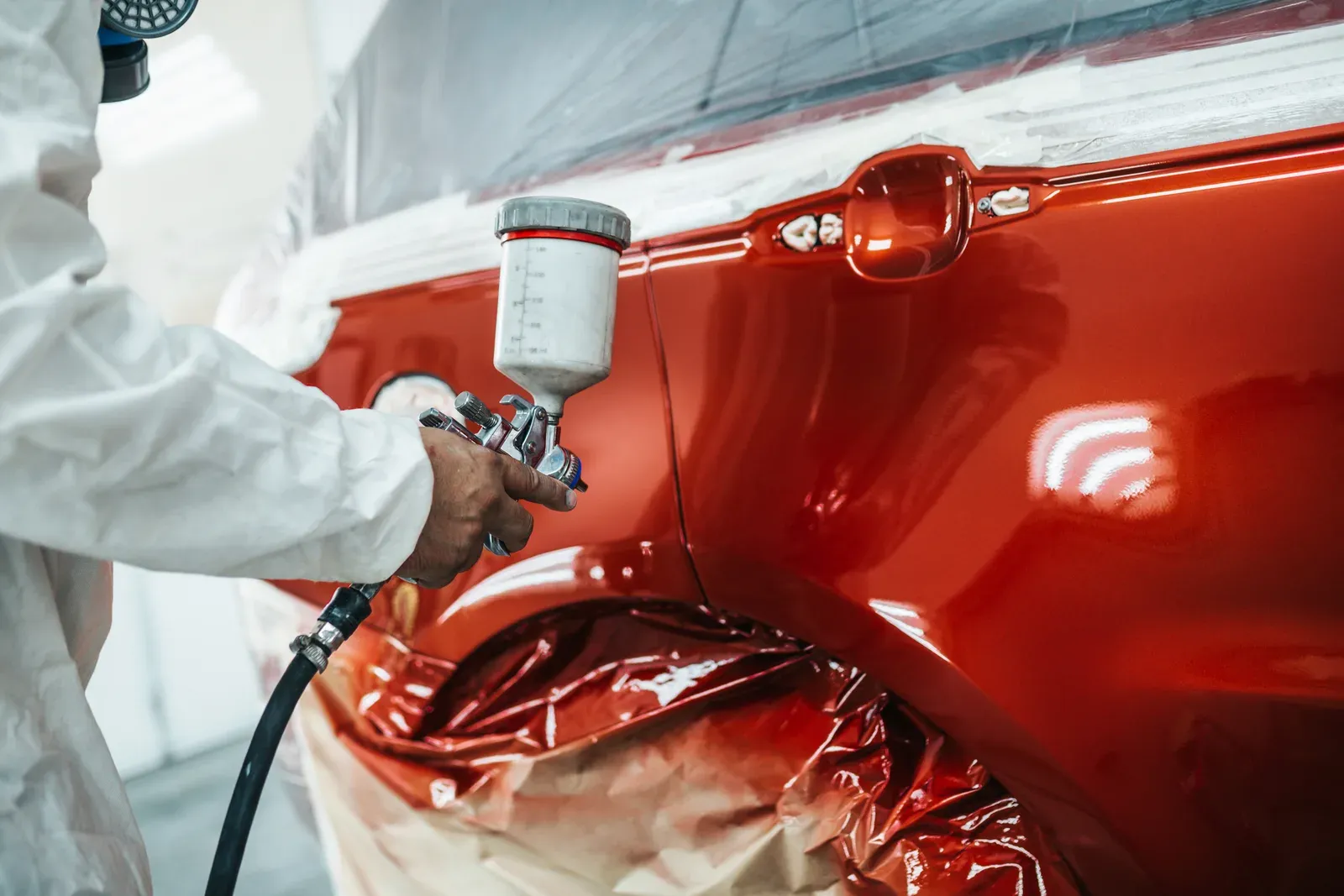
So on these vehicles the bodywork carries the repair, not the paint. Panels are brought properly flat before primer, a spray-out card is built the way the panel will be built and compared to your vehicle in booth light and daylight, and the color is blended into the surrounding panels. Satin finishes are refinished rather than corrected. Everything carries our lifetime paint warranty in writing. Satin panels are quoted as refinish work from the beginning, so nothing about the cost arrives as a surprise.