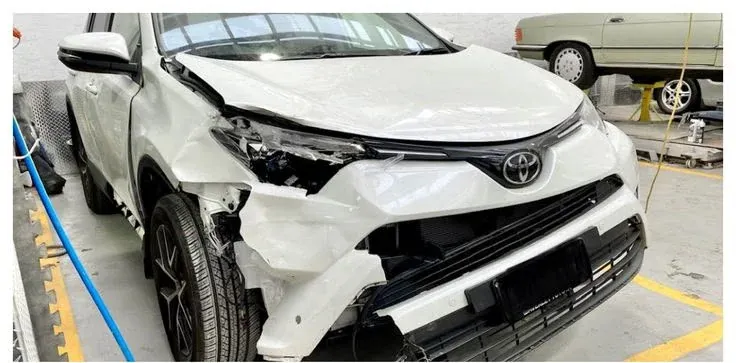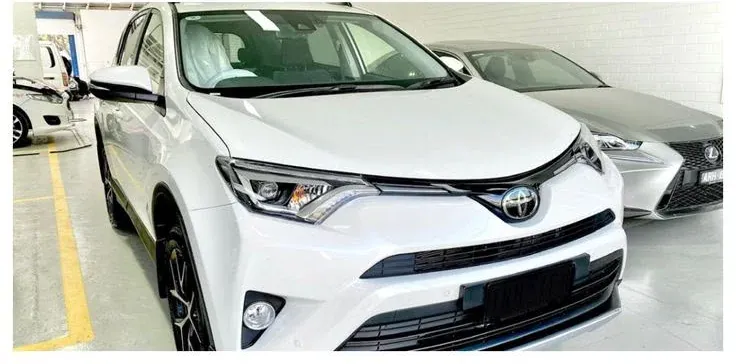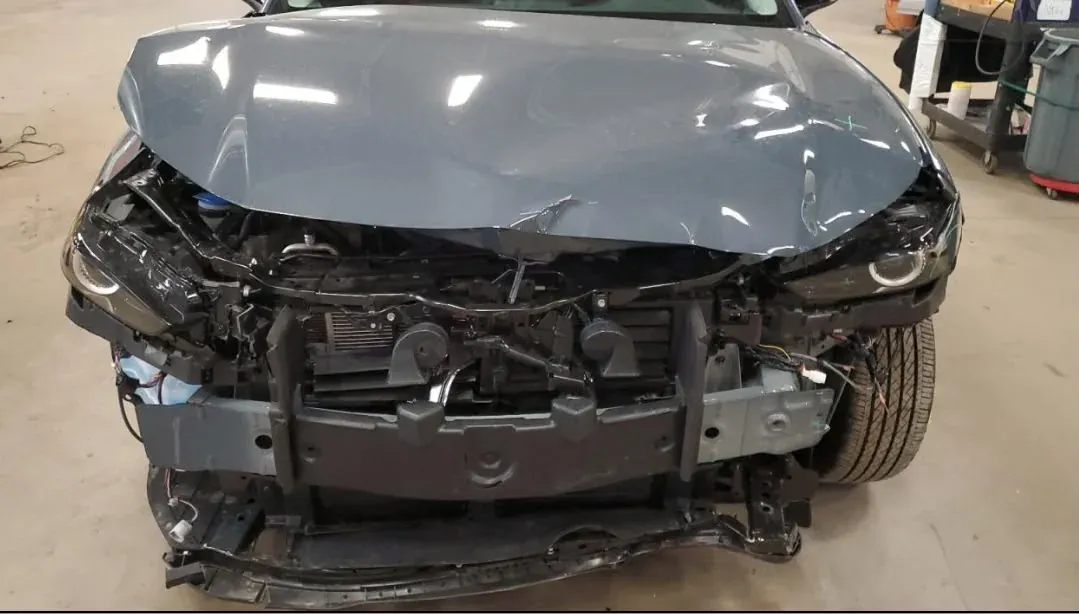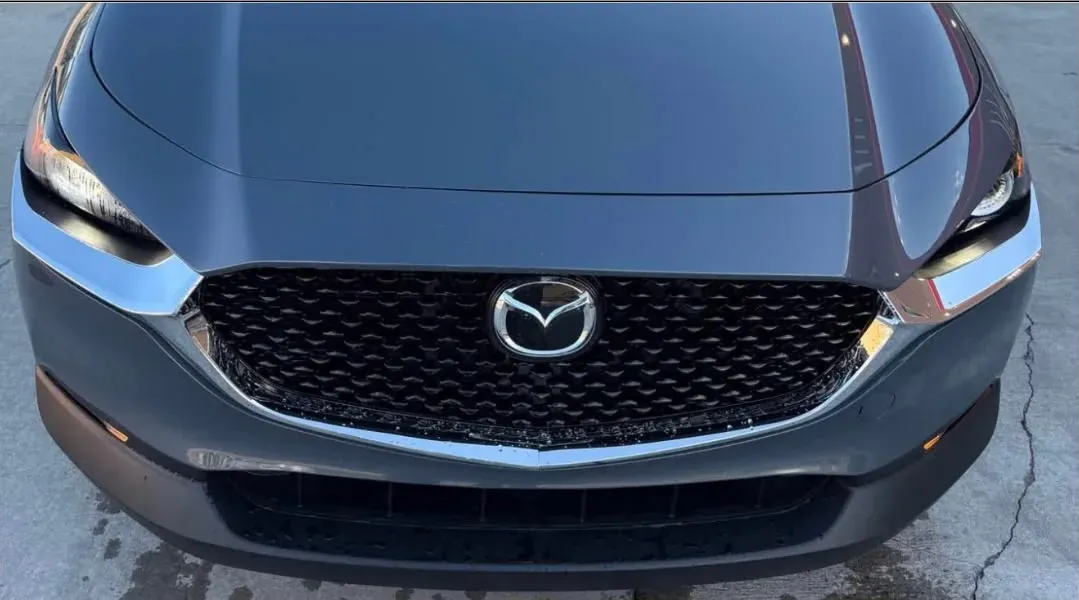
A Telluride hit is a structural conversation, not a panel one
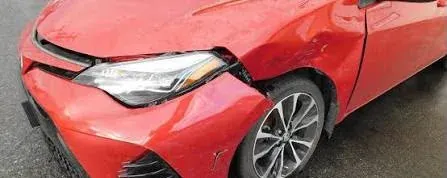
Kia’s larger crossovers are unibody vehicles carrying a hot-stamped door ring and reinforced rocker sections that hold the cabin shape in a serious impact. On a Telluride or Sorento the front rails and the upper load path are engineered to collapse in a particular order, so a shop that straightens whatever is bent and calls it done has quietly changed how the vehicle behaves next time. That is not a decision anyone should make on an owner’s behalf without saying it out loud.
Every Kia here is torn down before the estimate is closed, then measured against Kia’s dimensions on the laser system. Pulls are made only where the published procedure allows them and the vehicle is measured again afterward. Where a part has to be replaced at a factory joint, that is what goes on the estimate and what we defend to the adjuster, with photographs and readings rather than opinions.
Drive Wise sensors sit exactly where collisions land
Kia Drive Wise combines a forward camera at the windshield with a front radar behind the grille and corner radars behind the rear bumper cover for blind spot and rear cross-traffic avoidance. Newer models add parking sensors and a surround-view camera set in the grille, mirrors and tailgate. Every one of those locations is on the outer skin of the vehicle, which is another way of saying every one of them is in the damage zone.
So bumper covers, grilles and emblems get treated as sensor hardware on a Kia rather than as cosmetic parts. Genuine components are specified where a sensor reads through them, mounting brackets go back to their original positions, calibrations Kia publishes for the work performed are completed, and a pre-repair and post-repair scan pair is kept with your paperwork. Kia publishes what each of those operations requires, and following it is the only way to hand back a crossover whose safety systems behave the way they did the week before the accident.
- Forward camera calibrated after windshield replacement or bracket disturbance
- Front radar aim addressed after grille, emblem or fascia replacement
- Rear corner radars and park sensors function-checked after rear-end work
- Surround-view cameras re-aimed when a mirror, grille or tailgate is replaced
EV6 and EV9 change the order of operations
The EV6 and EV9 use the same 800-volt E-GMP architecture as their Hyundai cousins, with a flat battery pack built into the floor structure between the axles. That changes the sequence of a repair: the high-voltage system is shut down and given time to discharge before any welding, cutting or structural pulling, and the vehicle is lifted only at the points Kia specifies rather than wherever a hoist arm fits. Those points exist for a reason, and improvising with them puts the most expensive component in the vehicle at risk.
It also changes what gets inspected. On a side impact the rocker panel is the pack’s outer defense, so the case, mounts and coolant connections are examined before any panel work is quoted. If there is deformation, you hear about it. On the paint side an EV is like anything else, and Kia’s three-stage pearl white gets the same spray-out card treatment as every other layered finish that comes through here.