The Wrangler is a mixed-material vehicle hiding in plain sight
A current Wrangler looks like a simple steel box, and it is not. The doors, hood, fenders and windshield frame are aluminum, the rear swing gate uses magnesium, and all of it bolts to a steel body on a steel frame. Those materials behave differently under a hammer and dolly, they join differently, and aluminum in particular will not take heat and cracks where steel stretches — which is why identifying the panel before touching it matters.
Mixed materials also mean corrosion risk if the shop is careless. Steel particles left on bare aluminum start a galvanic reaction that surfaces under the paint later, so aluminum panels are worked with tooling and abrasives kept clear of steel work. The published procedures for the body and year define the fasteners, adhesives and replacement points, and the estimate is written from those. A Wrangler repaired as though it were all steel usually announces itself inside a year, at the edge of a fender.
Body-on-frame and unibody Jeeps measure differently
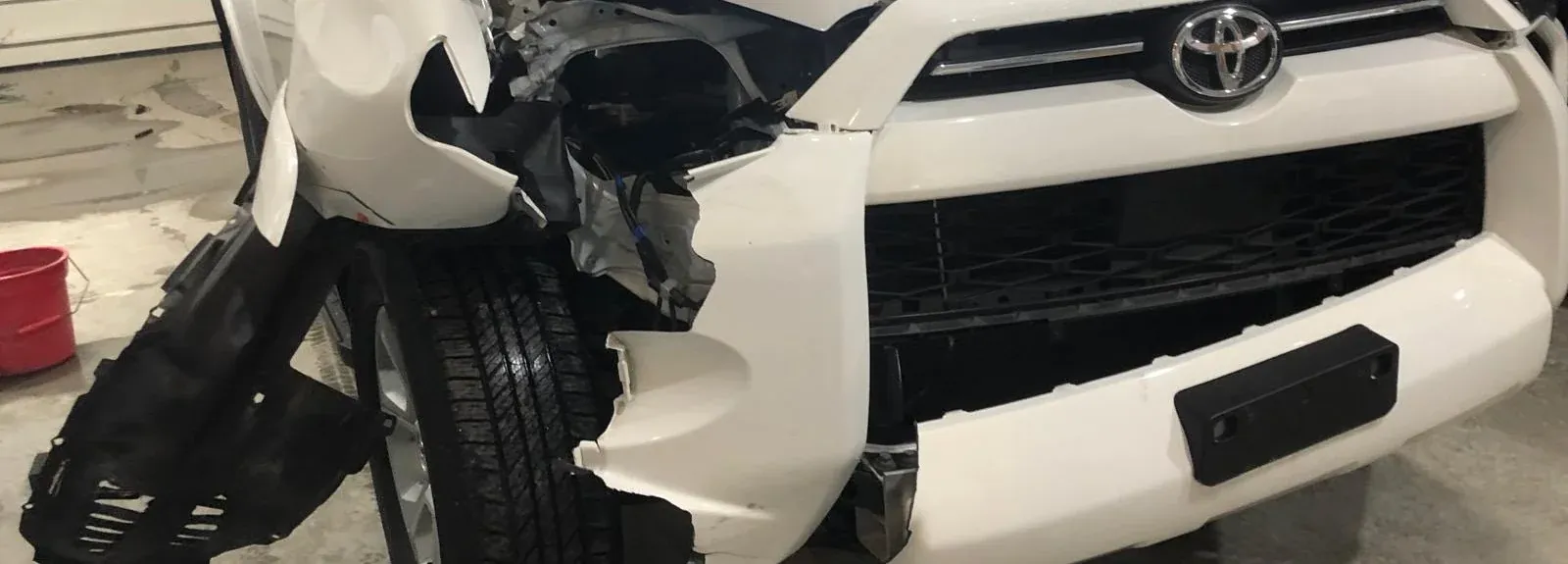
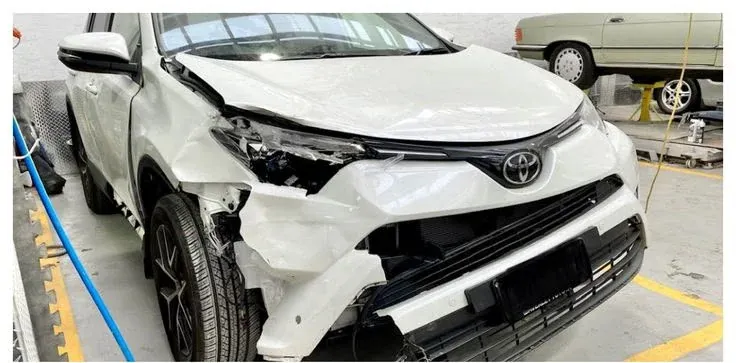
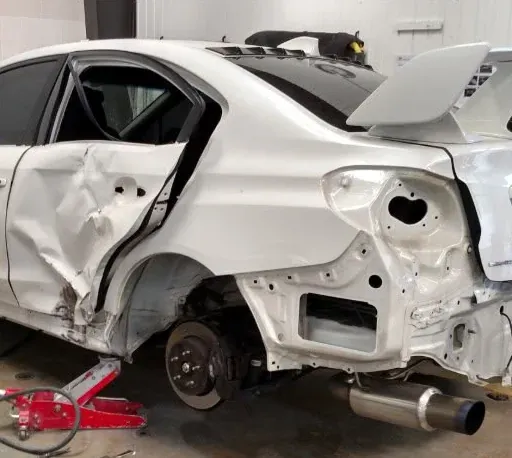
The Wrangler and Gladiator sit on frames; the Grand Cherokee, Cherokee and Compass are unibody vehicles. A frame vehicle can absorb an impact by moving at the body mounts while the sheet metal looks almost untouched, and a unibody Jeep does the opposite — the visible damage understates how far the rails moved. Neither one can be judged accurately by eye or from photographs of the outside.
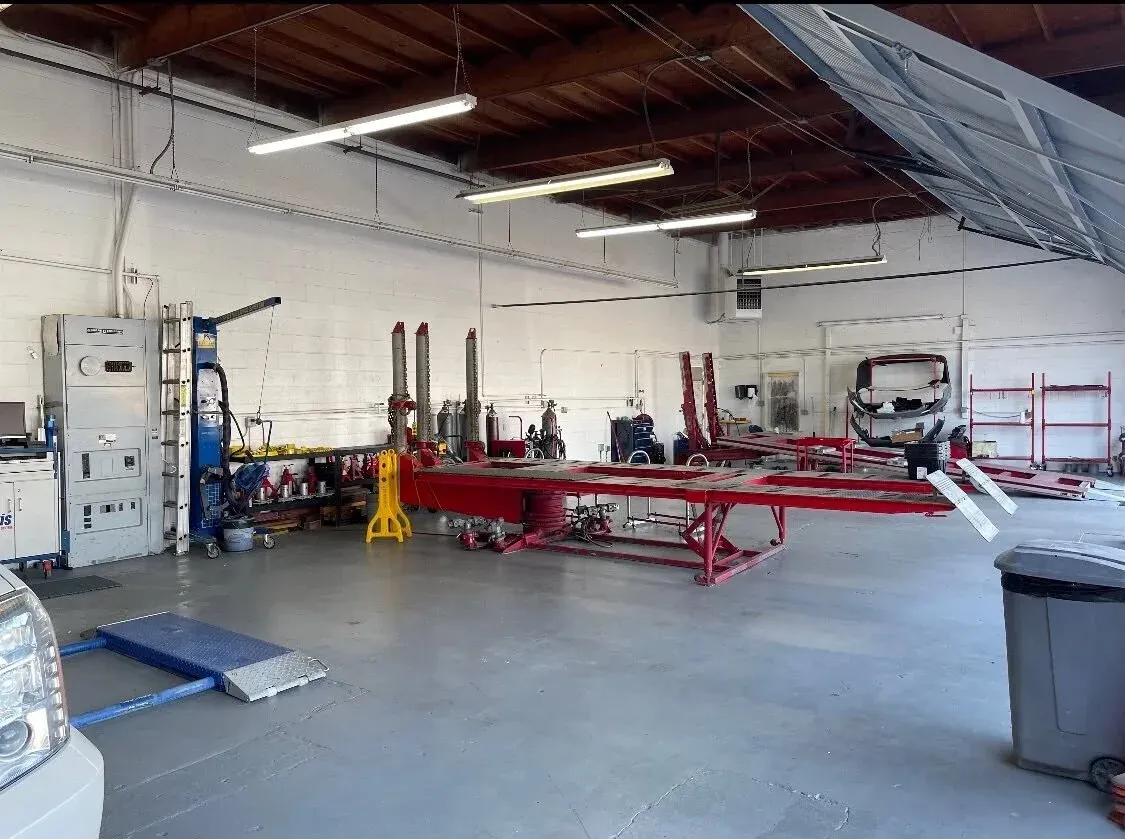
So every Jeep goes on the laser measuring system when there is any reason to suspect structure, and the readings are compared to the published dimensions for that specific body. Corrections are made on the frame machine where the procedure allows, the vehicle is measured again, and suspension geometry and alignment are checked afterward — particularly on lifted trucks, where a pre-existing setup complicates the picture. We document the lift and the tire package before starting so the alignment numbers afterward actually mean something.
- Aluminum and magnesium panels identified before any repair method is chosen
- Aluminum work kept clear of steel dust and steel tooling
- Frame and body-mount dimensions laser-recorded before and after correction
- Alignment and suspension geometry re-checked, lift kits accounted for
Off-road damage and the sensors on the newer trucks
Jeeps get damaged in ways other vehicles do not. Rocker panels take rock strikes, fender flares get torn at the mounting tabs rather than cracked in the middle, skid plates transfer impacts into crossmembers, and trail damage often shows up as a slow-developing alignment problem rather than a dent. All of that gets inspected from underneath rather than assessed from the parking lot. Trail damage is cumulative, and it is usually the third hit rather than the first that moves something structural.
Newer Jeeps also carry driver assistance hardware — a forward camera at the windshield, front radar in the fascia and rear corner sensors — plus, on the Wrangler, a removable roof and doors whose alignment affects wind noise and water leaks more than most vehicles. Each Jeep is scanned before and after the work, and the doors and roof are refitted and water-tested before delivery.