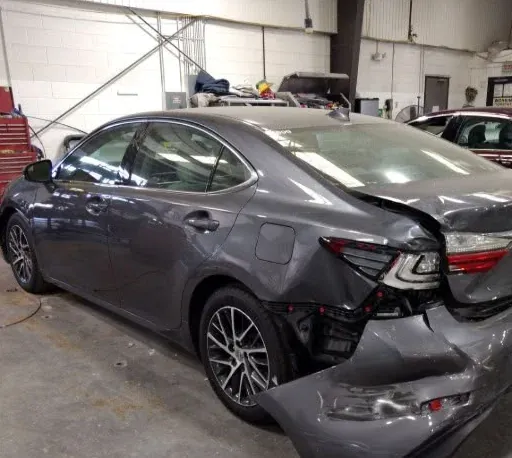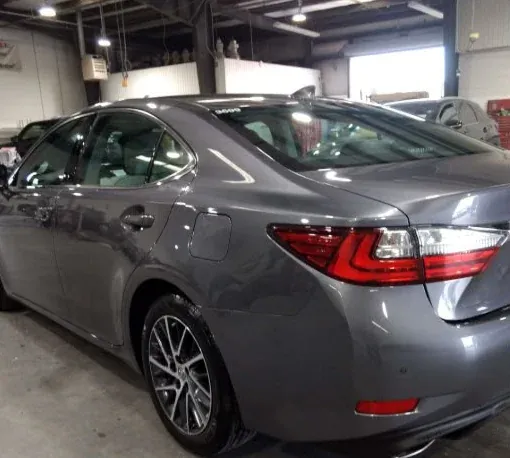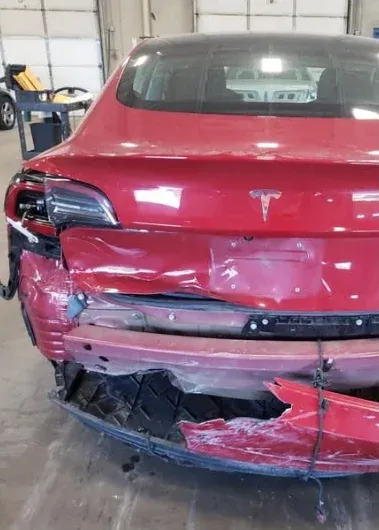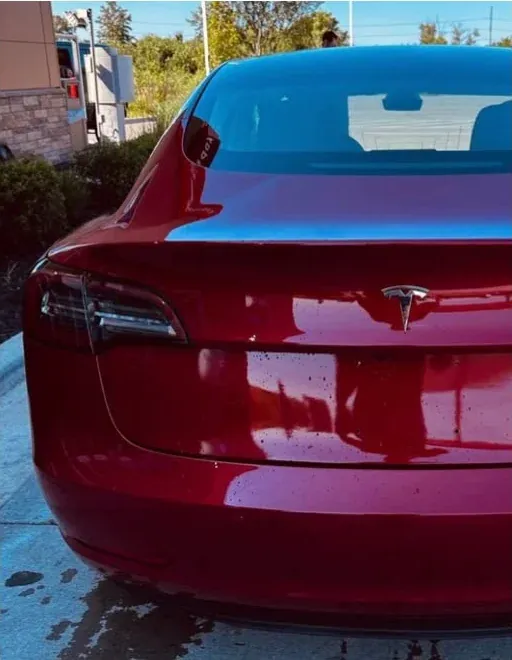
Opening the claim
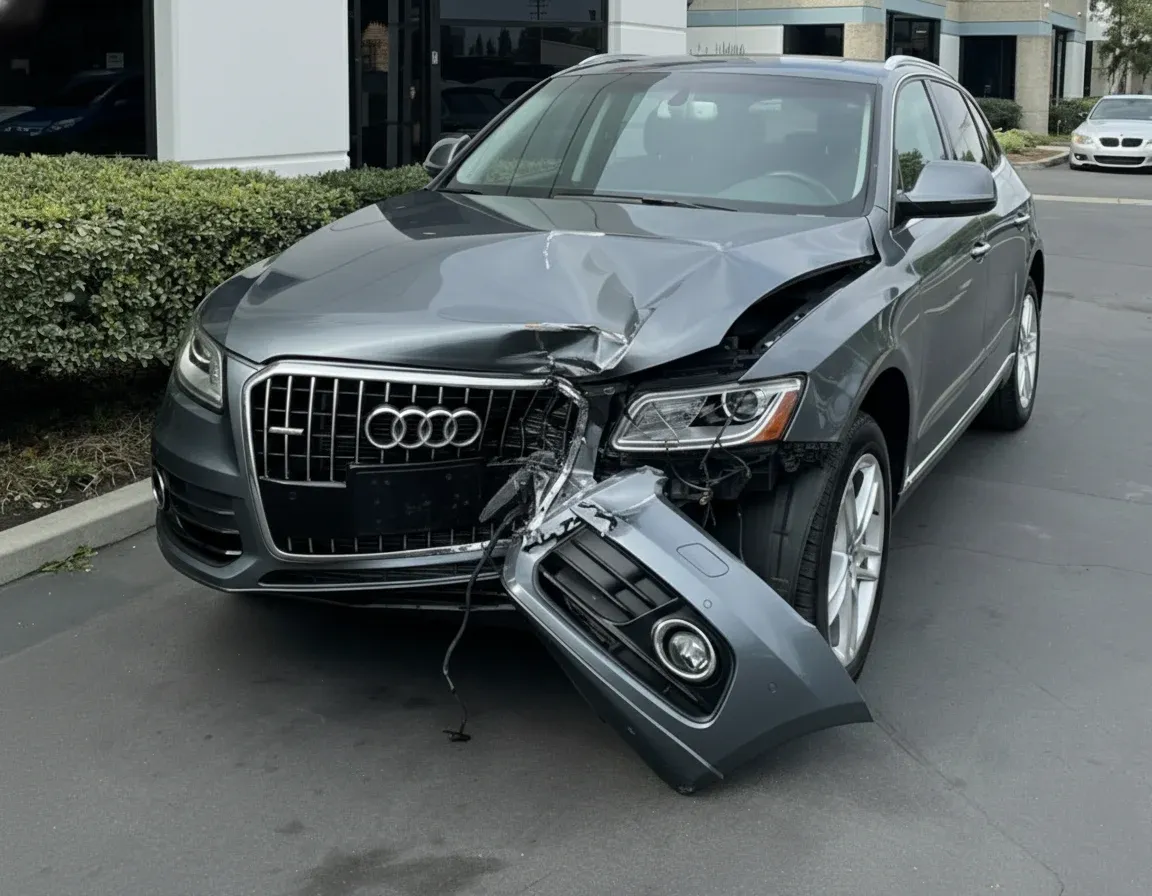
Report it promptly with the basics in hand: date, time, and exact location, the other driver’s information and plate, any police report number, and photographs of both vehicles from several angles. File through your insurance company’s app, its website, or the number on your insurance card, and write down the claim number before the call ends.
If the vehicle is leased or financed, your lender is listed on the policy and will usually appear on the repair payment, so mention the lienholder when you file. Name your shop at the same time — Prime Auto Body in Savage. For the record, we are an independent business with no affiliation to, sponsorship by, or program relationship with Travelers; the company is named on this page only to describe how a claim of that kind runs.
The repair shop is your call
Minnesota Statute § 72A.201 forbids an insurance company from requiring a specific shop and from using pressure, incentives, or threats to steer you toward one. Your policy owes the reasonable cost of restoring the vehicle to pre-accident condition regardless of which licensed shop performs the work. A referral list is a suggestion and nothing more.
On a leased or financed vehicle there is a second interest to satisfy. The lender expects the car returned or resold in pre-accident condition, and lease-end inspections notice mismatched paint and misaligned panels. Choosing the shop yourself is how you control that outcome, because an insurance company’s cost target and your lease-end bill are not the same objective.
What a leased or financed car needs from the repair
It needs original parts where they matter and a finish that will not be flagged at turn-in. We write OEM part numbers first with the reasoning attached, and Minnesota law supports that position — restoration to pre-accident condition with parts of like kind and quality, with no obligation on you to accept non-original parts outside of glass.
It also needs paperwork. You leave with a line-item invoice showing every part and operation, structural measurements where the job included them, and the teardown photographs. That file answers a lender’s questions, supports a diminished value claim against an at-fault driver’s insurance company, and is the first thing a buyer or a lease inspector should be shown.
- OEM parts written in first, with documented justification
- Structural measurement to factory specification, recorded both ways
- Sensors and cameras transferred, refitted, and function-checked
- Color read off your paint and blended into the adjacent panels
- Full line-item invoice and photo file handed over at delivery
When the estimate falls short
A supplement is the mechanism, and there is no drama in it. We file the added parts and operations with photographs from teardown, part numbers, and the labor required, then follow the file through to approval. Work that is already authorized keeps moving so the schedule holds, and you are told what was added and why rather than seeing it appear on a final bill.
If a line is denied and the vehicle genuinely needs it, ask for the decision and its basis in writing. Documented positions get resolved; phone disagreements go in circles. Coverage is always subject to your policy terms — but what a repair requires is a technical question, and manufacturer procedures answer it better than a cost target does.