Opening the claim
Report the accident once you are safe and information has been exchanged. You can open the claim through your insurance company’s app, its website, or the phone number printed on your insurance card — all three reach the same claims system. Have the date, time, and location, the other driver’s details and plate, the police report number if one was taken, and a set of damage photos ready before you start.
If you have a local agent, calling them first is fine and often faster for coverage questions, but the claim itself is worked by the claims department and the adjuster assigned to your file. When you are asked where the vehicle will be repaired, say Prime Auto Body in Savage — you do not need permission, and you do not need to work from anyone’s list. Prime Auto Body is an independent shop with no affiliation to State Farm; the insurance company’s name appears here only to describe how a claim of that kind proceeds.
Your right to choose the shop under Minnesota law
Minnesota Statute § 72A.201 lists steering among unfair claims practices. An insurance company may not require that your vehicle be repaired at a particular shop, and may not use pressure, incentives, or coverage warnings to push you toward one. The statute also requires insurance companies to give you this advisory at claim time, word for word: "You have the legal right to choose a repair shop to fix your vehicle. Your policy will cover the reasonable costs of repairing your vehicle to its pre-accident condition no matter where you have repairs made."
A recommended or direct-repair list is a business arrangement between an insurance company and those shops — negotiated rates and agreed processes. It is not a quality rating and it is never a requirement. We are not on any insurance company program by choice, which is why the repair plan we write answers to your vehicle manufacturer’s procedures rather than to a network agreement.
What happens once the car is here
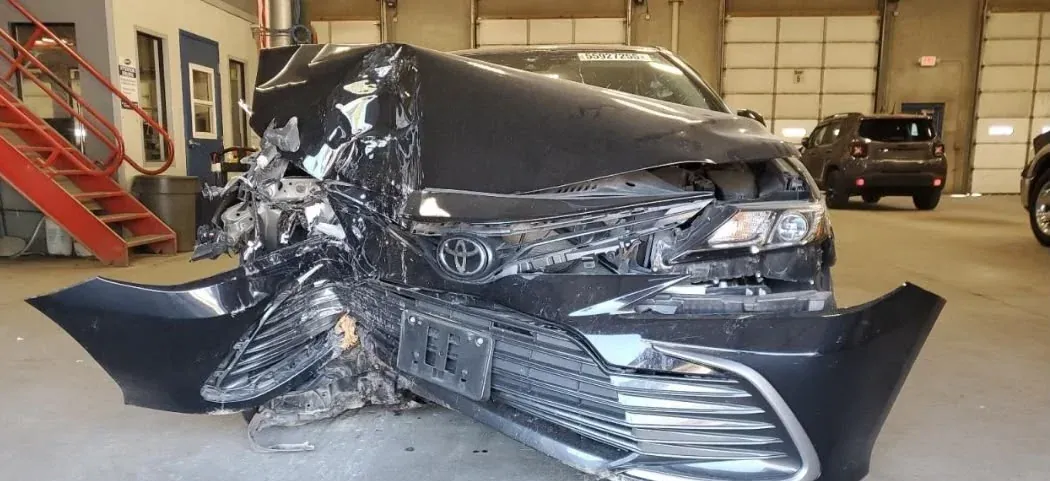
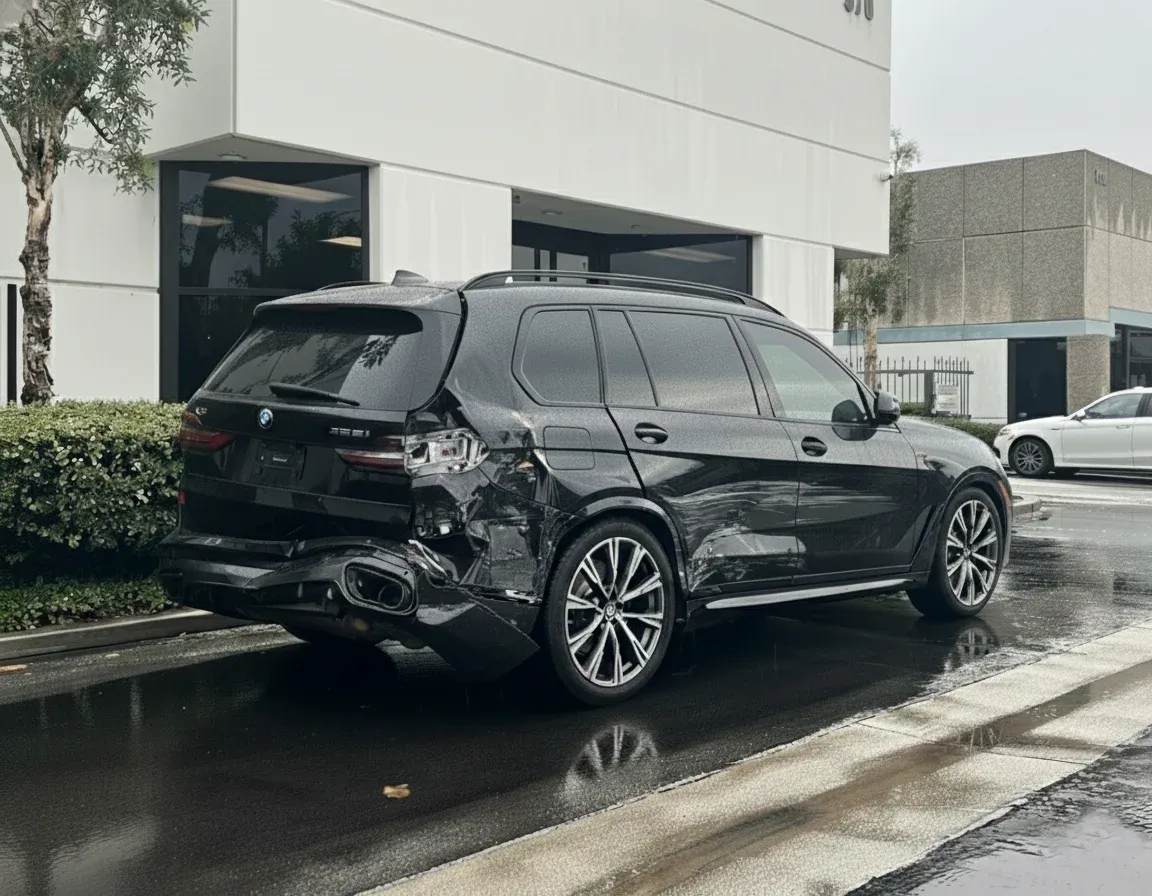
We open a file, photograph the vehicle as it arrives, and take the damaged area apart before the estimate is finalized. Teardown is where the real repair plan comes from — the crushed brackets, cracked mounts, and bent reinforcements behind a bumper cover are invisible until the cover is off. The adjuster then meets the car here, already apart, instead of seeing it assembled at a drive-in claims center.
From that point you deal with us and we deal with the claims file. Structural damage is laser-measured against factory specification, paint is matched by reading the color off your own vehicle, and the refinish is blended into the adjacent panels. Every paint and refinish job leaves with a lifetime warranty for as long as you own the car.
- Vehicle photographed on arrival and a repair file opened
- Full teardown before the estimate is finalized
- Adjuster meets the vehicle at our shop, already disassembled
- Structural work laser-measured to factory specification
- Lifetime warranty on the paint and refinish work
Supplements, and what to do if the estimate comes up short
First estimates are written from what was visible, so they frequently come up short. That is expected rather than a failure. A supplement is the formal request to add the parts and operations the first pass missed, filed with photographs of the damage in place and the part numbers required. We file it, track it, and keep approved work moving while the added lines are reviewed.
Two things protect you here. Minnesota requires your vehicle be restored to pre-accident condition with parts of like kind and quality, so you cannot be forced onto non-original parts other than glass. And you can always ask for a decision in writing — insurance companies settle documented disagreements far more readily than phone ones. Your policy terms govern what is covered; what the repair needs is a matter of evidence, and evidence is what we send.