Filing the claim, and what to have ready
Digital filing is quick, which is exactly why it is worth slowing down for two minutes first. Whatever channel you use — the app, the website, or the number on your insurance card — a claim is only as good as what goes into it. Photograph both vehicles before anything moves, get the other driver’s plate and insurance details, note the exact intersection or mile marker, and collect witness numbers while people are still standing there.
Upload the photos with the claim rather than promising them later; files attached at the start reach whoever reviews your file first. Name your repair shop while you are in there, and if a list of network shops is offered, you are free to type ours instead. Prime Auto Body is an independent business with no partnership, endorsement, or network relationship with Progressive — the name appears on this page only to explain how a claim under that insurance company tends to run.
Minnesota law is on your side about shop choice
Under Minnesota Statute § 72A.201, an insurance company cannot require you to use a particular repair shop and cannot pressure, incentivize, or warn you into one. Insurance companies are also required to tell you at claim time that the choice belongs to you, and that your policy covers the reasonable cost of returning the vehicle to its pre-accident condition regardless of where the work is done.
Expect network shops to be presented as the convenient default — faster scheduling, a guarantee, less paperwork for you. Some of that is genuinely convenient. None of it is mandatory, and the guarantee on offer is written by the participating shop, not by the insurance company. One sentence closes the subject: "I have chosen Prime Auto Body in Savage; please send the estimate and the adjuster there."
A photo estimate is a starting number, not the repair
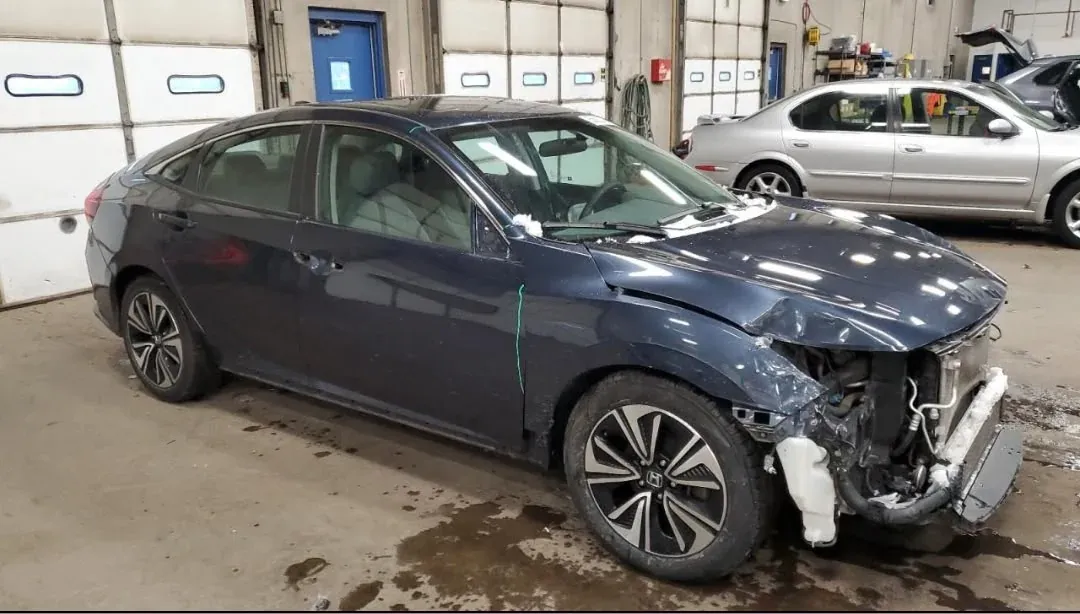
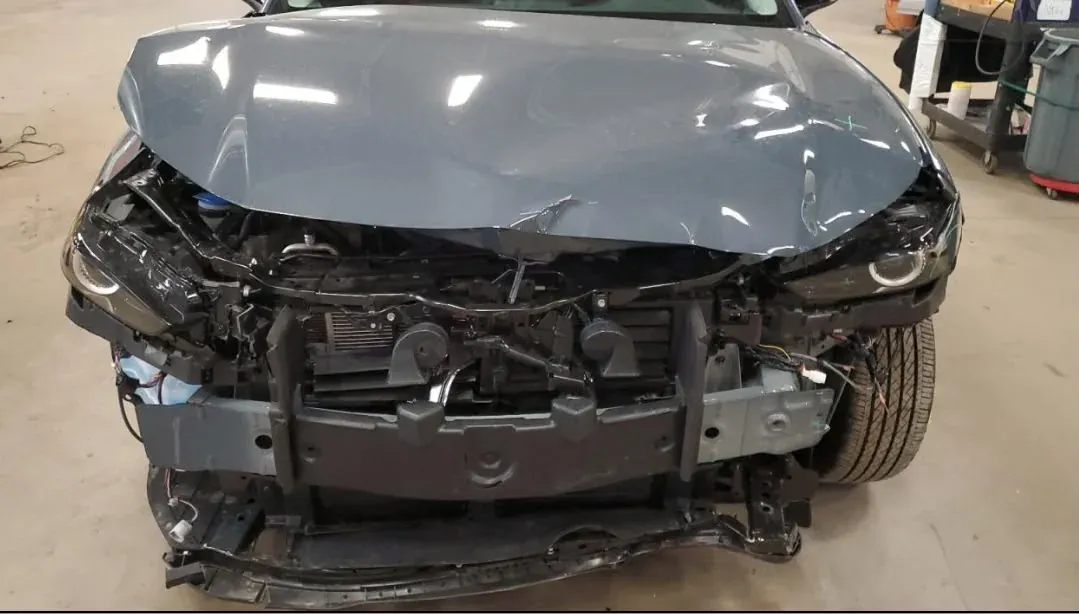
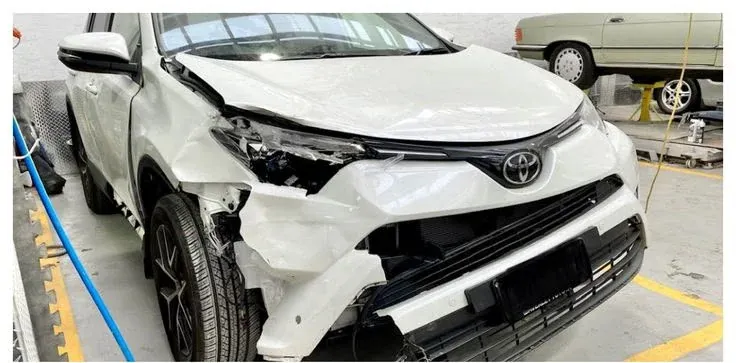
Most insurance companies now open with an estimate written from photographs, whether you upload them or an appraiser takes them. That is a reasonable way to get a claim moving and it is genuinely accurate for what a camera can see. What it cannot see is the energy absorber, the reinforcement bar, the broken sensor bracket, and the radiator support sitting behind a cover that still looks whole.
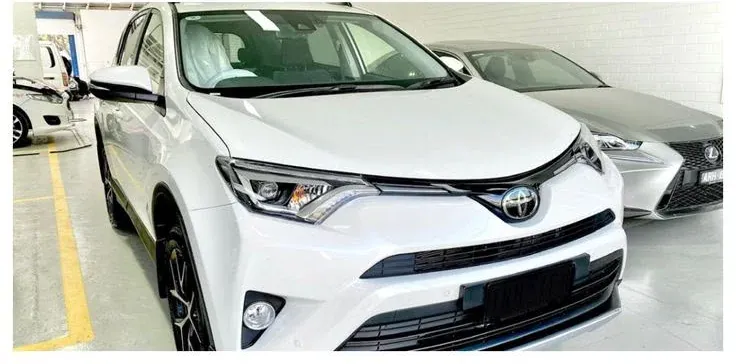
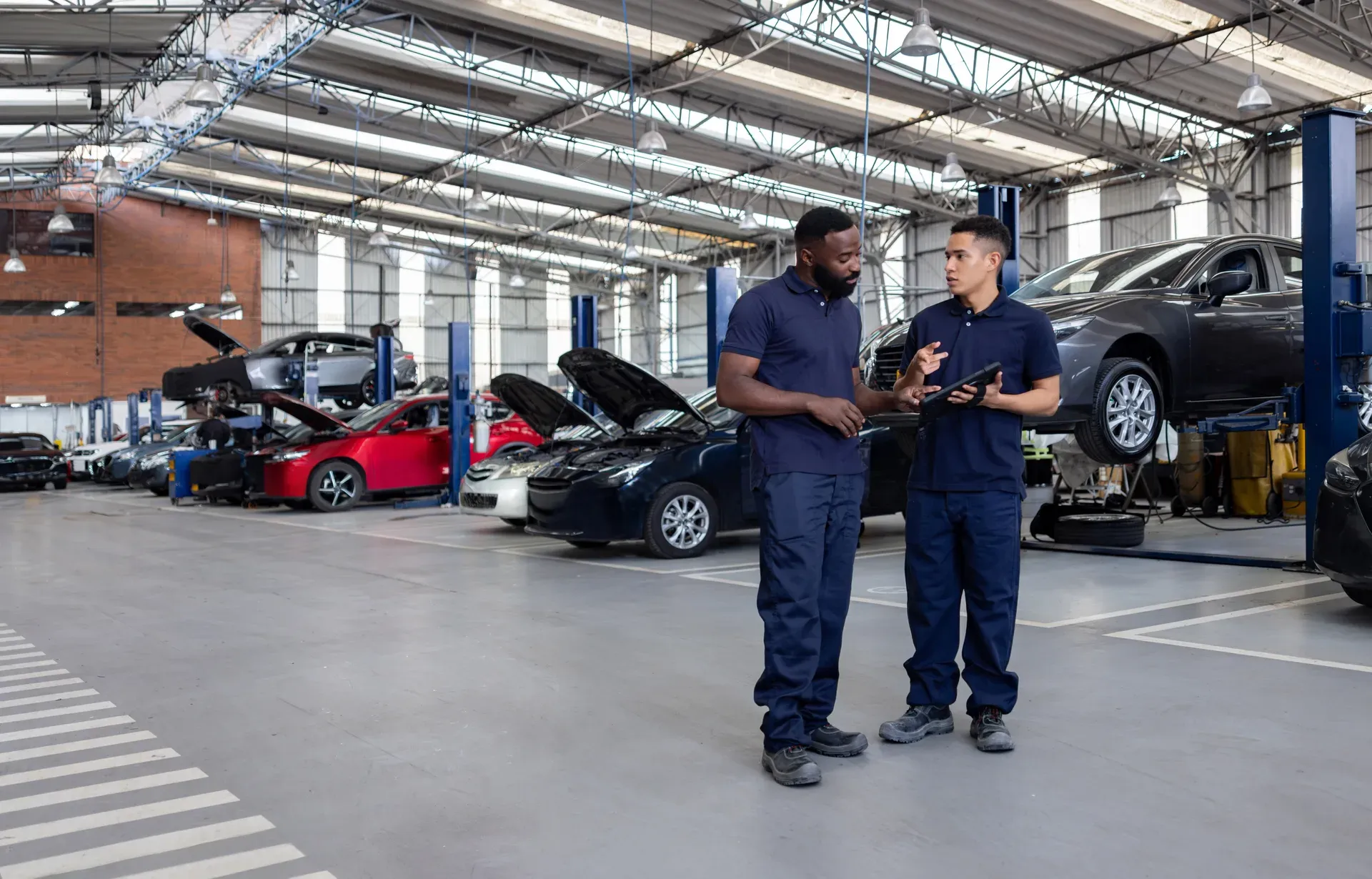
So we take the damaged area apart before finalizing anything and photograph what is underneath. That teardown becomes the repair plan — line-item parts and operations with images an adjuster can review. Structural damage is measured against factory specification, and the color is read off your vehicle rather than taken from the paint code alone, because a code describes a car on the day it left the plant.
- Insurance company photo estimate treated as an opening number, not a final one
- Damaged area disassembled and photographed before the estimate is set
- Hidden parts and operations documented with images and part numbers
- Structural damage measured against factory specification
- Refinish blended into adjacent panels and warranted for life
When the estimate falls short — supplements
A supplement adds what the first estimate missed, and on a photo-first claim there is usually something to add. We send the images, the part numbers, and the labor operations, then track the file until it is approved. Work already authorized carries on in the meantime, so a slow line item costs you hours rather than days.
If a decision goes against what the vehicle needs, ask for it in writing and ask which policy language it rests on. Minnesota requires restoration to pre-accident condition with parts of like kind and quality, and non-original parts cannot be forced on you except on glass. Your policy terms govern coverage. What the repair itself requires is a question of evidence, and the file we build is that evidence.