
Filing when fault is not settled
Report the crash to your own insurance company even when you are certain the other driver caused it. Filing is not an admission, and your insurance company needs the file open to pursue the other side. Use the app, the website, or the number on your insurance card, and give the exact location, the other driver’s details and plate, the police report number, and photographs taken before anything was moved.
Who ultimately pays comes down to fault. If the other driver is responsible, their liability coverage pays for your vehicle and you owe no deductible. If fault is disputed or the other driver has no insurance, your own collision or uninsured motorist coverage steps in and your insurance company pursues theirs. One clarification worth stating: Prime Auto Body is independently owned, has no affiliation with Farmers or any other insurance company, and names the company here strictly to describe the claims process.
Fault does not change who picks the shop
Whichever insurance company ends up paying, the repair facility is your decision. Minnesota Statute § 72A.201 lists steering among unfair claims practices, barring an insurance company from requiring a particular shop or applying pressure, incentives, or warnings to move you toward one. That protection applies to the other driver’s insurance company every bit as much as to your own.
In fact the other driver’s insurance company has less standing to direct your repair than yours does — you have no contract with them at all. If an adjuster from a company you have never paid a premium to starts recommending shops, you can simply state where the vehicle is going. Ours is at 8080 W 125th St in Savage, just off Highway 13.
Documentation is what settles disputes
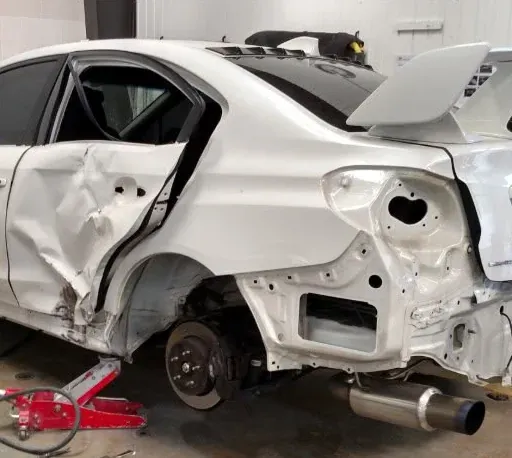
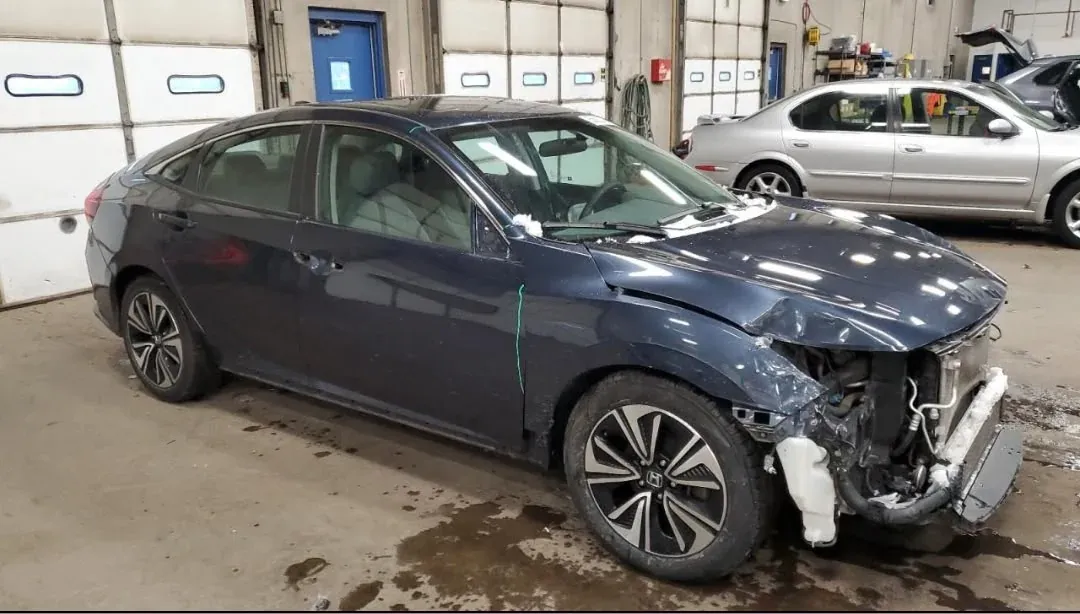
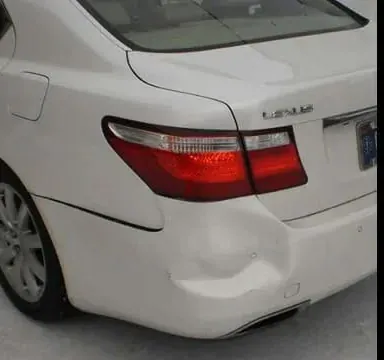
When fault or the extent of damage is contested, the file wins the argument. We photograph the vehicle as it arrives, disassemble the damaged area before finalizing the estimate, and photograph everything behind the panels — brackets, absorbers, reinforcements, mounting points. That record shows both how far the damage went and which direction the force travelled, which is sometimes the exact point in dispute.
Structural damage is measured on the frame machine against the manufacturer specification and the readings are saved. Repairs are written line by line with part numbers, and the color is matched by reading your actual paint before anything is sprayed. If you later pursue a diminished value claim against the at-fault driver’s insurance company, that same file is what makes the claim credible.
- Arrival photographs and a written condition record
- Teardown photography of hidden damage before the estimate is set
- Structural measurements recorded before and after any pull
- Line-item repair plan with OEM part numbers
- The complete repair file handed to you for any follow-on claim
Supplements and a short estimate
First estimates come up short regularly, especially on a claim handled by an insurance company that has not yet seen the vehicle. A supplement adds the missing parts and operations, filed with images and part numbers. We track it while approved work continues, so a disputed line does not leave your car sitting.
If the two sides cannot agree on what the repair requires, ask the insurance company to put its position in writing and to identify the policy provision behind it. Minnesota requires restoration to pre-accident condition with parts of like kind and quality, and non-original parts cannot be forced on you other than glass. Your policy governs coverage; the repair itself should follow your manufacturer’s procedures.