Opening a collision or a storm claim
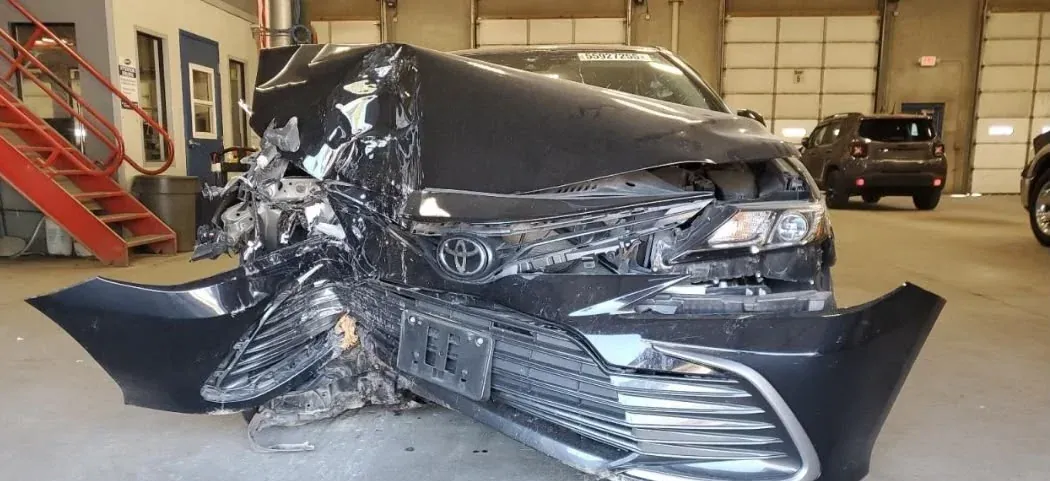
Which coverage applies decides how the claim behaves. A hit from another vehicle is a collision claim, or a liability claim against the at-fault driver’s insurance company when someone else caused it. Hail, falling branches, deer strikes, vandalism, and flying road debris are comprehensive claims — no fault involved, and insurance companies generally price comprehensive on risk of place and season rather than on driver behavior.
Either way, report it through your insurance company’s app, website, or the number on your insurance card, with photos, the date, and the location ready. When the repair location comes up, say Prime Auto Body in Savage. To be explicit: we are an independent, owner-operated shop with no affiliation to, endorsement from, or program relationship with American Family. The insurance company’s name is used here to describe the claims process, nothing more.
The shop is yours to pick — that is Minnesota law
Minnesota Statute § 72A.201 makes it an unfair claims practice for an insurance company to require a particular repair shop or to steer you toward one with pressure or incentives. Whatever list is offered, your policy pays the reasonable cost of returning the vehicle to pre-accident condition at the licensed shop you choose.
After a large storm that right gets tested more than usual, because everyone is trying to route thousands of vehicles at once. The answer is the same in July as in January: name your shop and ask for the file to be sent there. Getting into a shop’s queue early matters far more than which list the shop appears on.
Hail season, and what we do with the car
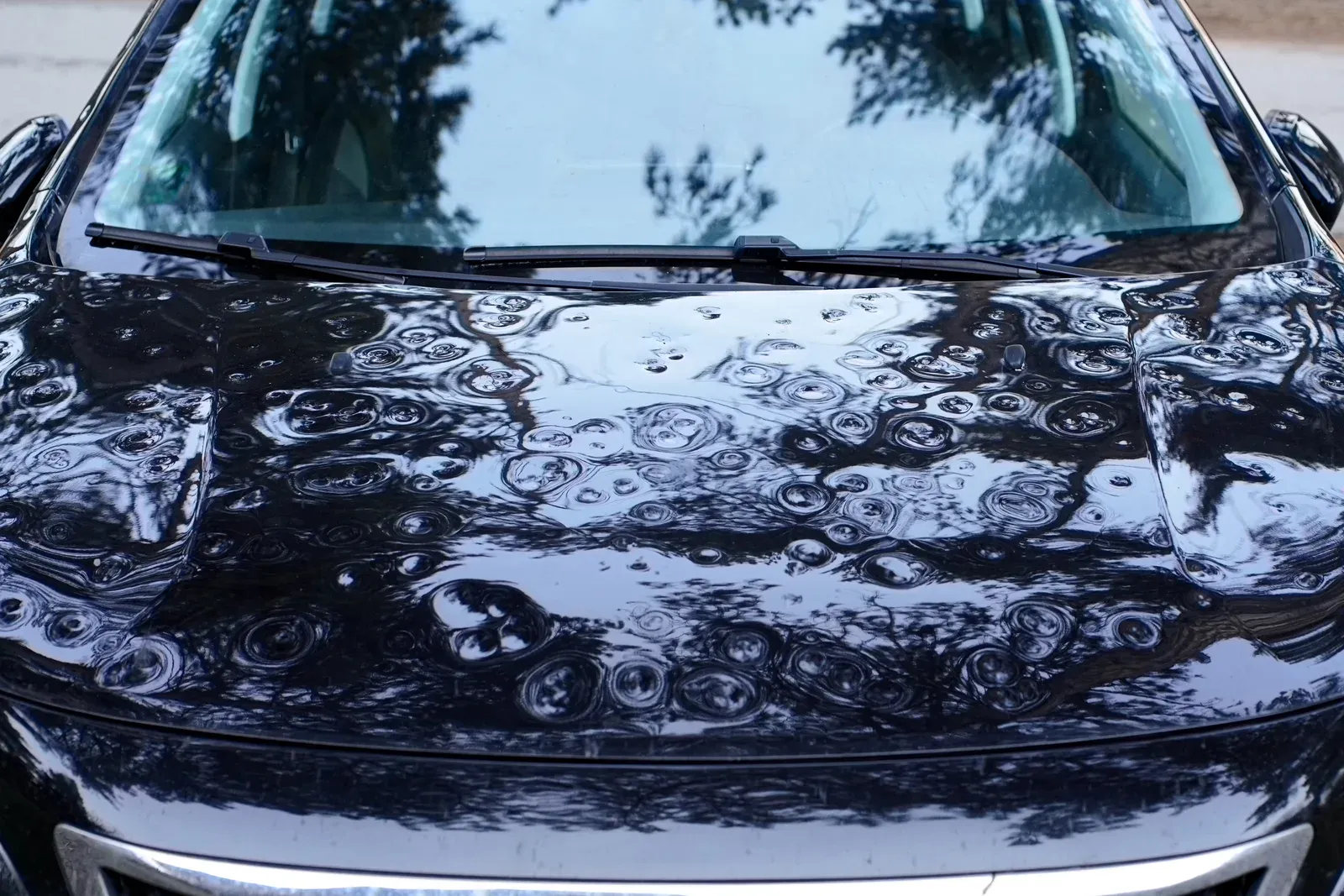
Metro hail season runs from late spring into early fall, and one storm fills every shop in the south metro within days. If your car was hit, send photos before the inspection appointment — that puts you in line while the paperwork catches up. Hail is assessed panel by panel, and where the finish is broken or the metal stretched, the panel is repaired properly and refinished rather than patched.
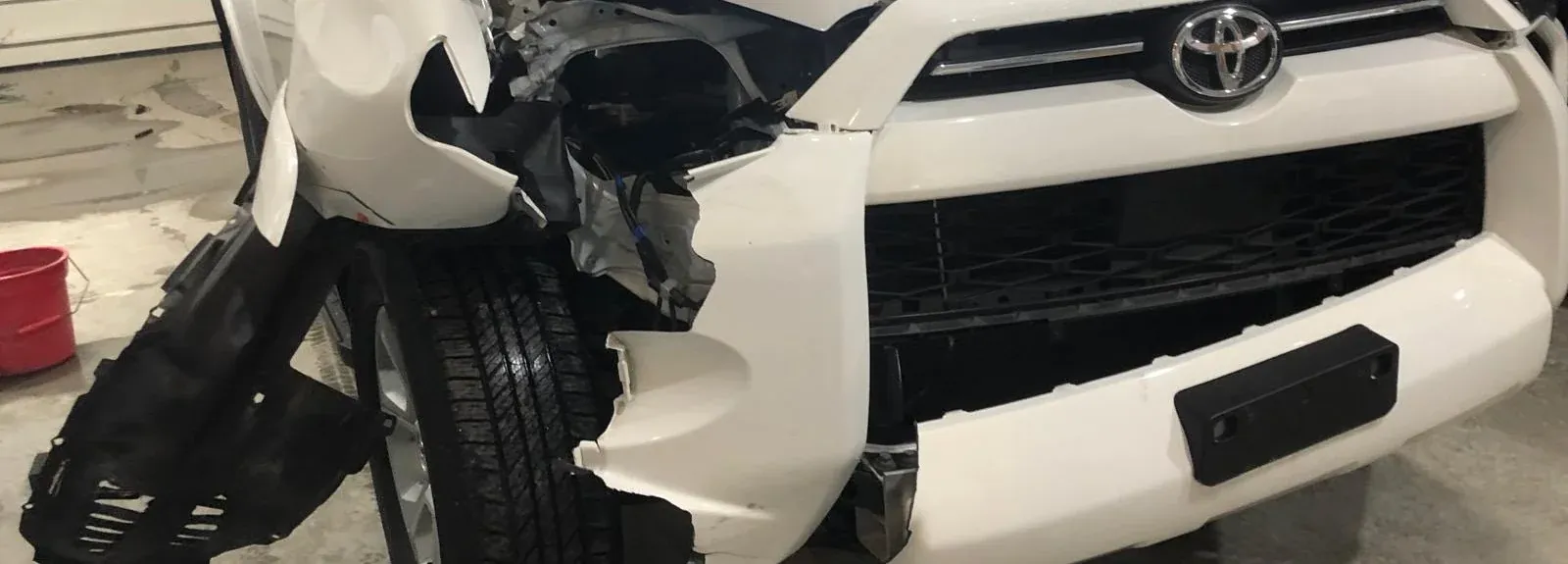
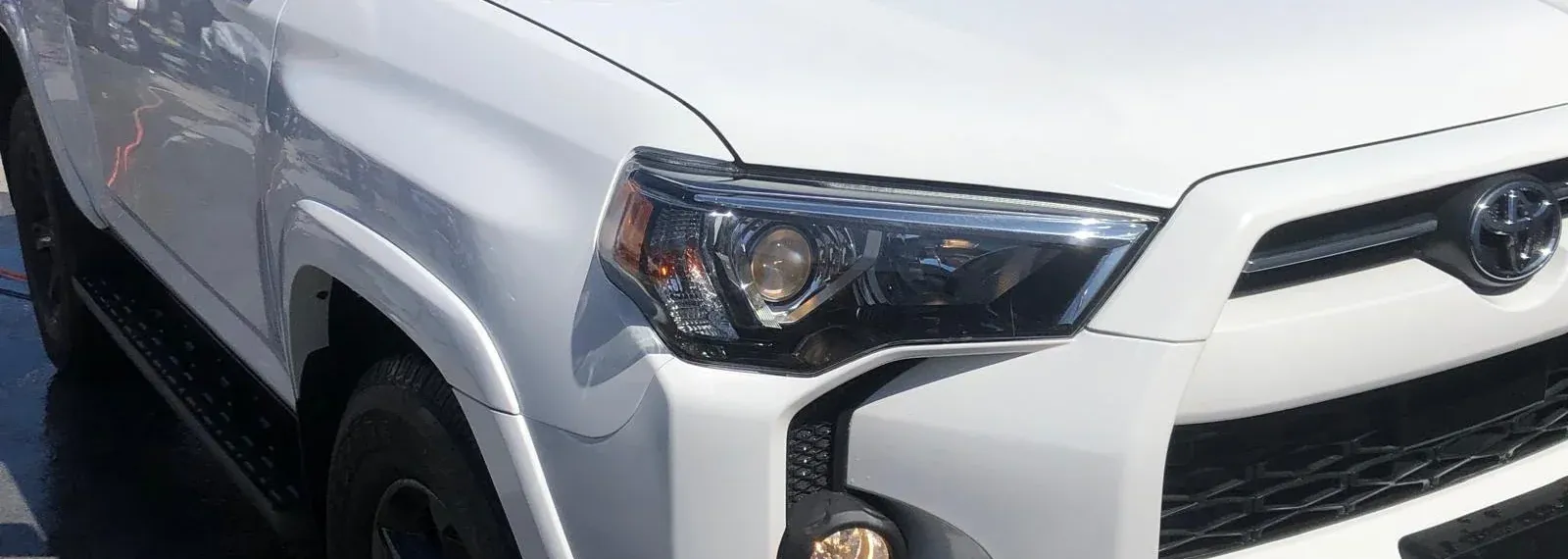
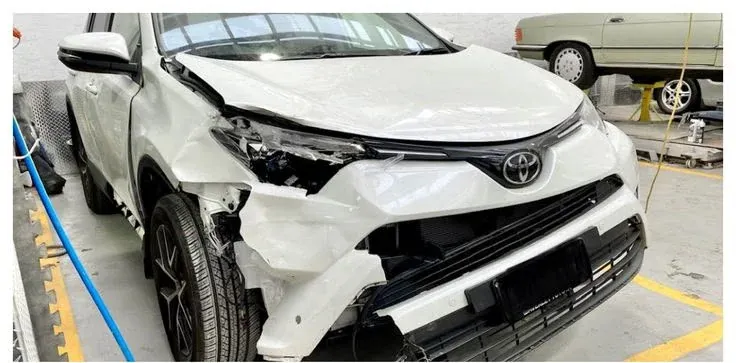
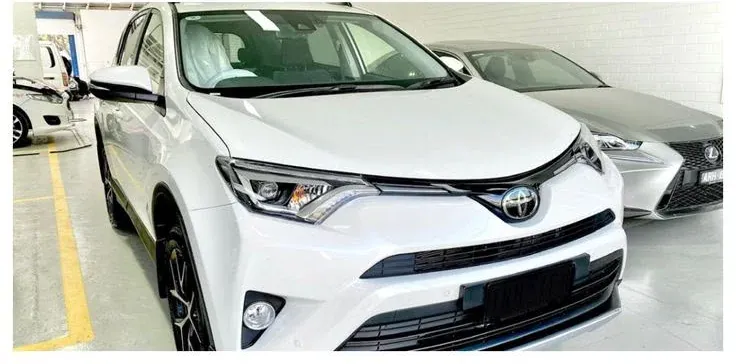
Collision work follows the same order every time: teardown before the estimate is finalized, structure measured against factory specification when the impact reached it, parts written OEM-first with the reasoning attached, and color read off your own paint before anything is sprayed. Every refinish leaves under a lifetime warranty, and the same order applies whether the job is a single door or a whole front end.
- Photos reviewed and a written estimate back within 24 hours
- Adjuster or catastrophe-team inspection hosted at our shop
- Repair-first approach that keeps factory finish where the panel allows
- Refinish color-matched, blended, and warranted for as long as you own it
- Storm-season scheduling so your place in the queue is a real one
When the estimate does not cover the damage
Hail estimates written quickly after a storm often miss panels, and collision estimates written from photos often miss what sits behind the bumper. A supplement corrects either one. We file it with images, panel counts or part numbers, and the operations required, then track it to approval while the approved work continues.
One more piece of the storm math: leaving hail unrepaired can reduce a future settlement, because insurance companies may deduct prior unrepaired damage from a later claim on the same panels. Dents that broke the clearcoat also let corrosion start, and Minnesota road salt finds those openings quickly. Your policy terms govern coverage; the case for repairing sooner is about the vehicle itself.