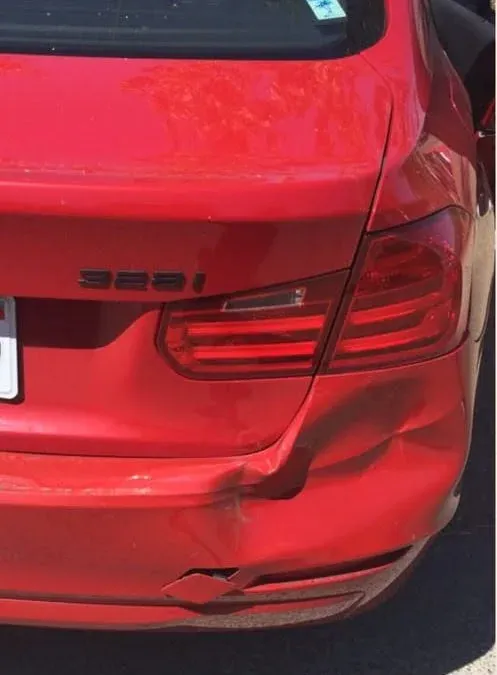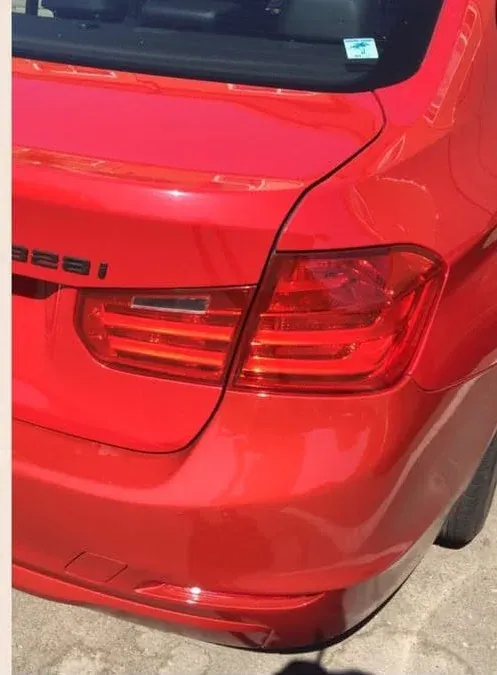

Getting the claim started
Report it early. Minnesota crashes involving injury or significant damage generate a police report, and having that number when you file saves a round of follow-up questions. File through the app, the website, or the number on your card, and be ready with the date and location, the other driver’s details and plate, and photographs of both vehicles taken before anything was towed away.
You will be asked how the vehicle should be inspected — a virtual review from your photos, a drive-in claims center, or an inspection at the shop you have chosen. Choose the shop; an inspection where the car is already apart produces an estimate closer to the real repair. For clarity, Prime Auto Body has no business relationship with Allstate and belongs to no insurance company repair program. We reference the company only to describe how claims of this kind move.
Nobody can send you to a different shop
Minnesota Statute § 72A.201 makes steering an unfair claims practice — an insurance company cannot require a particular repair facility, and cannot use inducements, warnings, or pressure to move you toward one. If an adjuster starts mentioning delays, warranty gaps, or extra cost for going "out of network," that is precisely the conversation the statute was written about.
Name your shop once, clearly, and write down the date and the words if the pressure continues. The Minnesota Department of Commerce regulates insurance companies and accepts steering complaints. In practice it rarely reaches that point — naming the shop and asking for the estimate to be sent there usually ends it on the spot.
The repair, once the car is in our hands
The damaged area comes apart first. We photograph what is behind it, write the repair plan from what is actually there, and put it in the adjuster’s hands before the inspection. That order matters: an adjuster looking at exposed damage approves what the vehicle needs, while an adjuster looking at an intact bumper cover approves what the cover suggests.
Then the work itself — panels repaired or replaced, structure measured against factory specification and pulled back if it moved, sensors and cameras transferred and function-checked, and the finish sprayed in a downdraft booth after the color is read off your own paint. The car is inspected, road tested, and cleaned before you ever see it.
- Teardown and photo documentation before the adjuster arrives
- Repair plan written line by line and sent into the claim file
- Structural measurement against factory specification where needed
- Driver-assist sensors transferred, refitted, and function-checked
- Final inspection and road test before the keys come back to you
If the estimate is short — and where your deductible fits
Supplements exist because first estimates are written from limited information. We file them with photographs and part numbers and keep the approved portion of the repair moving, so a pending line does not park your car. Most supplements are approved on the documentation alone, without anyone needing to argue about it.
Your deductible is a separate question worth getting right before you file. If the other driver was at fault, their liability coverage pays and no deductible applies to you at all. On your own claim, weigh the repair cost against the deductible — small single-panel damage close to that figure is often better paid out of pocket. Be skeptical of any shop offering to make a deductible disappear; that money comes out of your repair. Your policy terms govern the rest.