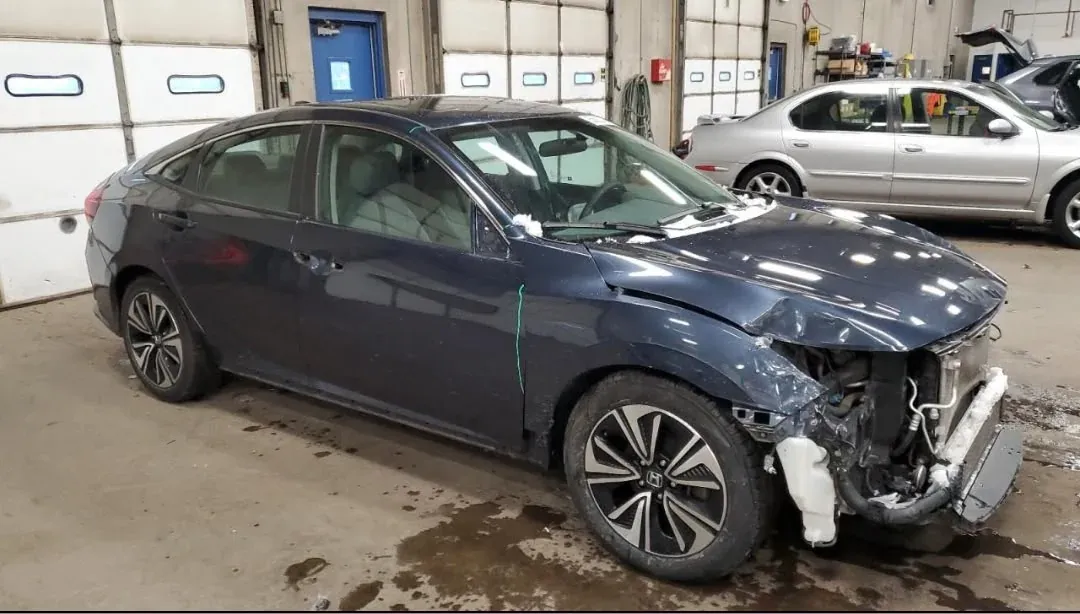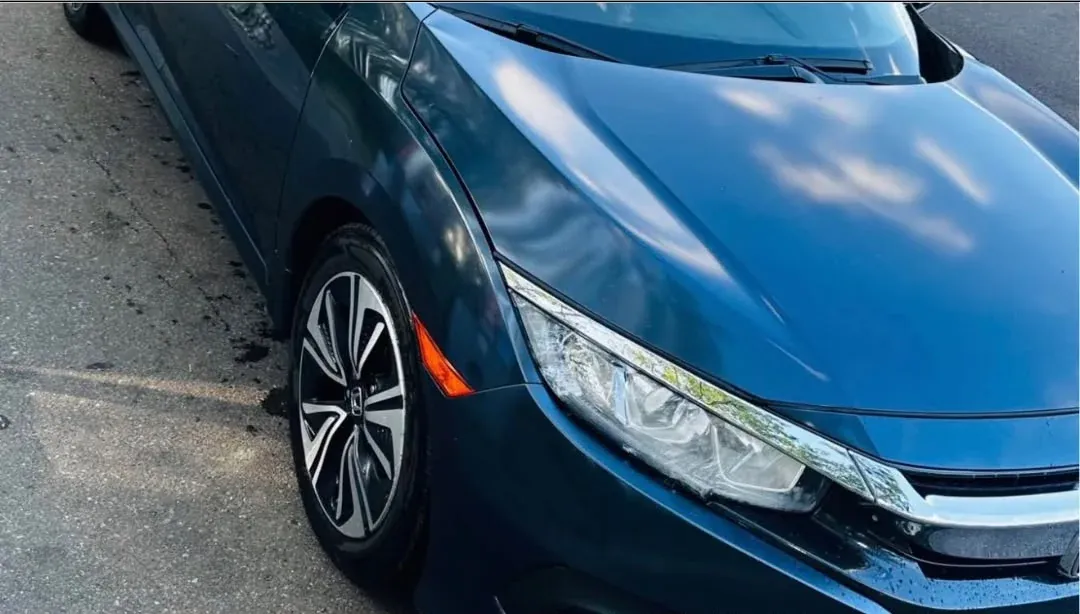

Honda’s ACE body structure sets the rules for the repair
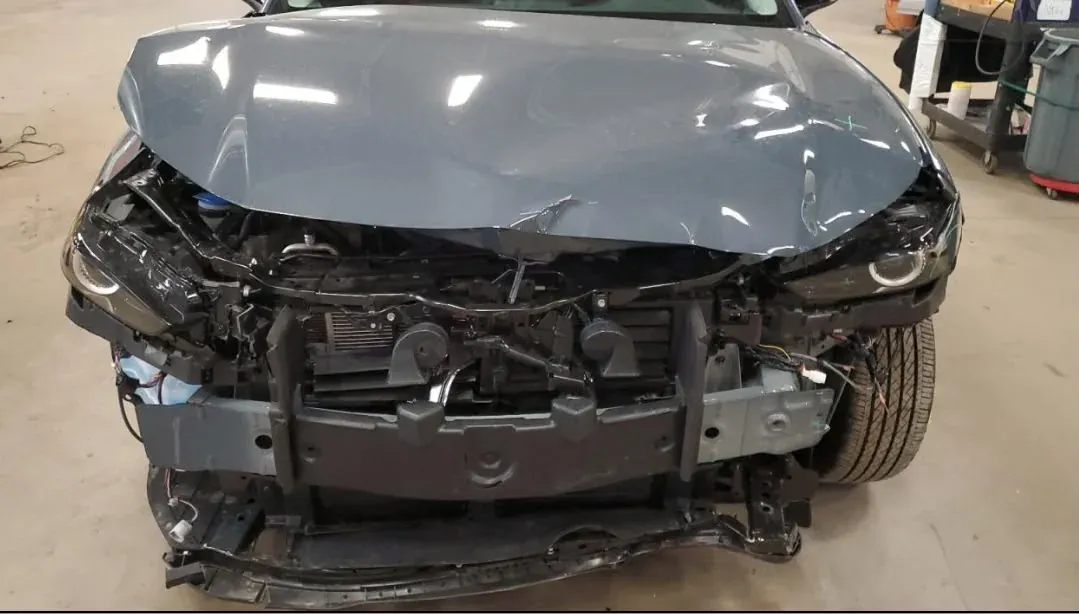
Honda builds its cars around Advanced Compatibility Engineering, a front structure that routes crash energy through a network of members rather than through two straight rails. It performs well in a collision and it makes the repair less forgiving, because those load paths only behave as designed when the parts carrying them are the parts Honda engineered. Honda’s position statements are direct about it: structural components are replaced at factory joints, not sectioned at whatever point happens to be easy to reach.
The current Civic, Accord and CR-V also use hot-stamped steel rated well above 1,000 megapascals through the A-pillars, roof rails and door ring. Heat and pulling take that strength away permanently, which is why those parts get replaced instead of straightened. We laser-measure the structure before quoting anything, and we quote replacement wherever Honda’s procedure calls for replacement, even when it makes the estimate harder to read. The measurements come first, the procedure decides the method, and the price follows from those two things rather than from whichever answer is cheaper.
Honda Sensing after bumper, grille or windshield work
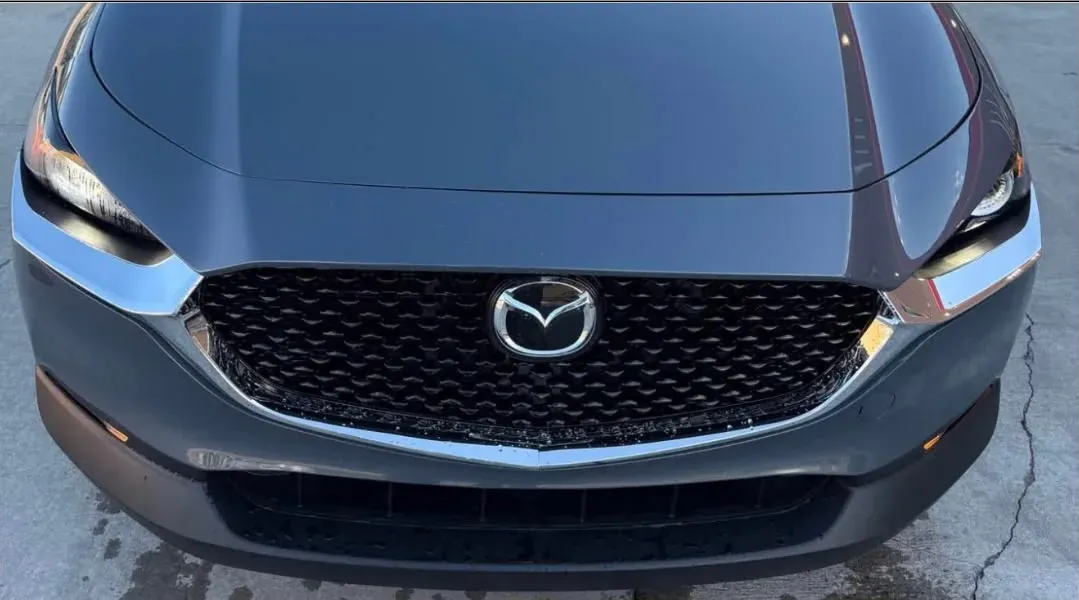
Honda Sensing works from a camera behind the windshield near the mirror and, on most model years, a millimeter-wave radar behind the front emblem or low in the grille. Collision mitigation braking, road departure mitigation and adaptive cruise control all read from those two sensors. A bumper cover reinstalled slightly out of position, or a replacement emblem with a different metal content behind it, is enough to change what the radar sees at highway distance.
Every Honda that comes in is scanned before teardown so pre-existing faults are on the record, and scanned again after reassembly so nothing new is left behind. Where Honda publishes a calibration for the work performed, it is carried out to that procedure — target boards set at measured distances for the camera, aim adjustment for the radar — and the car is road tested afterward to confirm the systems arm and behave normally.
- Pre-repair and post-repair scan reports kept with your estimate
- Front radar aim addressed after any bumper, grille or emblem replacement
- Windshield camera calibrated when the glass or the camera bracket is disturbed
- Blind spot and cross-traffic sensors function-checked after rear body work
Honda color is where most repairs give themselves away
Honda’s most common colors are also its least forgiving. Platinum White Pearl is a three-stage finish with a translucent pearl layer over the base, and Modern Steel Metallic and Sonic Gray Pearl are low-chroma grays where a slightly coarse metallic reads as a different color the moment the car is parked in daylight. The code on the door jamb gets a mix close; it does not get it matched, because the paint on your car has aged since the day it was sprayed.
So a spray-out card goes up for every Honda refinish, checked against the panel under booth light and then outdoors before the gun ever touches the car. The color is then blended into the neighboring panels rather than stopped at a body line, so there is no edge for anyone to find in the sun. That refinish carries our lifetime paint warranty in writing for as long as the Honda is yours.