Tree cover is not hail cover
Minnetonka is one of the more heavily wooded cities in the metro, which helps with shade and does nothing at all for hail. Stones come through a canopy without much resistance, and a storm strong enough to dent a roof frequently brings branches down onto the same vehicle. Cars parked under trees off Minnetonka Boulevard often arrive with both problems at once, and the branch is usually the damage people notice first.
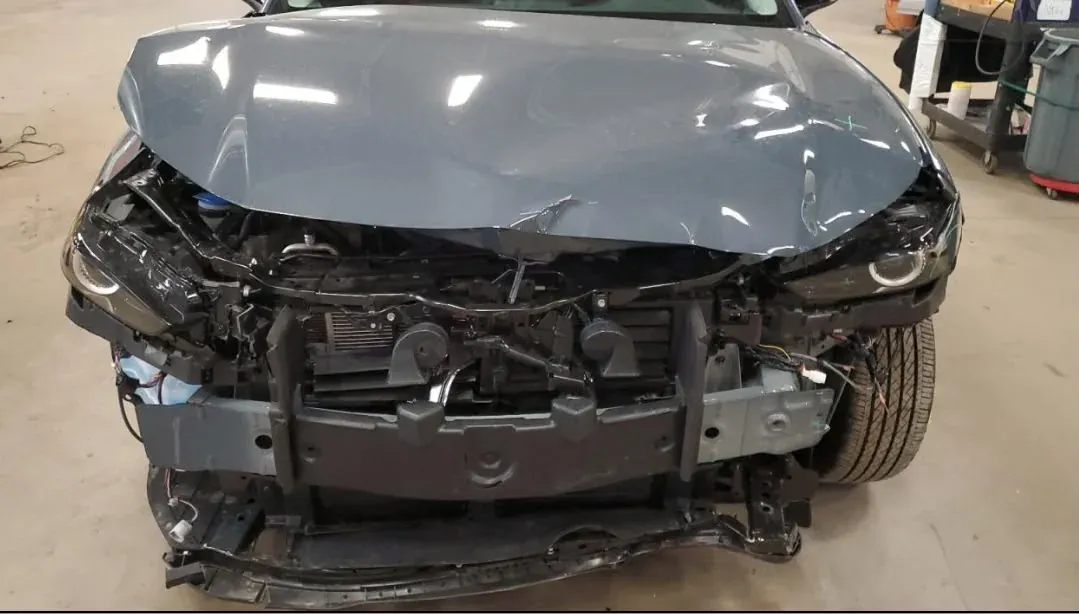
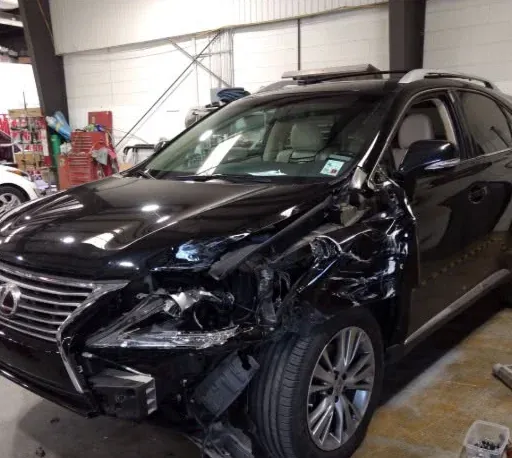
Both are covered the same way. Hail, falling branches, and anything else the weather drops on your car go through comprehensive coverage rather than collision — one deductible, one claim, no fault assigned to anybody. We write the whole loss on a single estimate rather than splitting it into pieces, which keeps the adjuster looking at one file and keeps you from paying a second deductible for a single night of weather.
Why hail repair should not wait for next spring
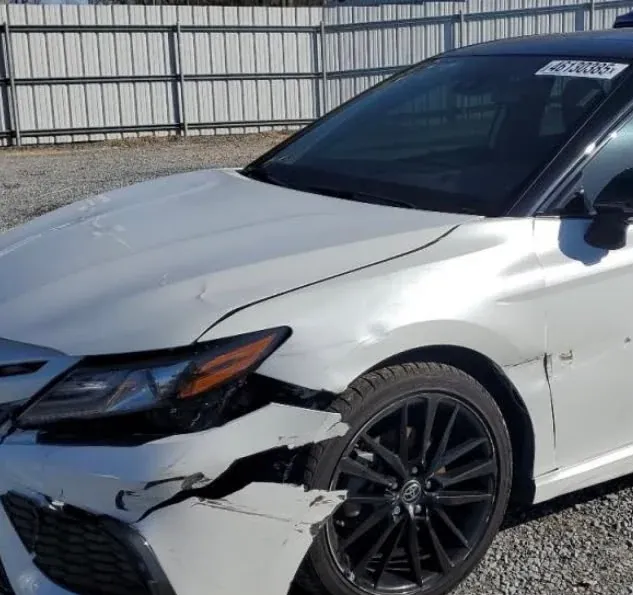
Left alone, hail damage quietly changes what your insurance company owes you. Several insurance companies deduct visible unrepaired hail when a later storm hits the same panels, and some policies set a window for reporting a loss at all. Neither of those shows up until you are trying to file, which is the worst possible moment to learn about a clause you never read. A short call to your agent before the season turns is the cheapest way to find out where you stand.
The repair itself also gets harder as the season passes. Dents where the clearcoat cracked let moisture reach metal, and once salt has been on the roads for a few months a cosmetic job has picked up corrosion work that was never part of the storm. The version you fix this month is the cheapest version there will ever be, and it is the one most likely to leave the original paint on the car.
Keeping the paint that came on the car
Minnetonka drivers who have been burned by a poor repair usually describe the same thing: a panel that does not quite match, catching light differently from the one next to it. The way to avoid that on hail work is to not repaint at all where the metal will move back cleanly, which covers a good share of Minnesota hail and is the reason we assess every panel individually rather than pricing the whole roof as one line.
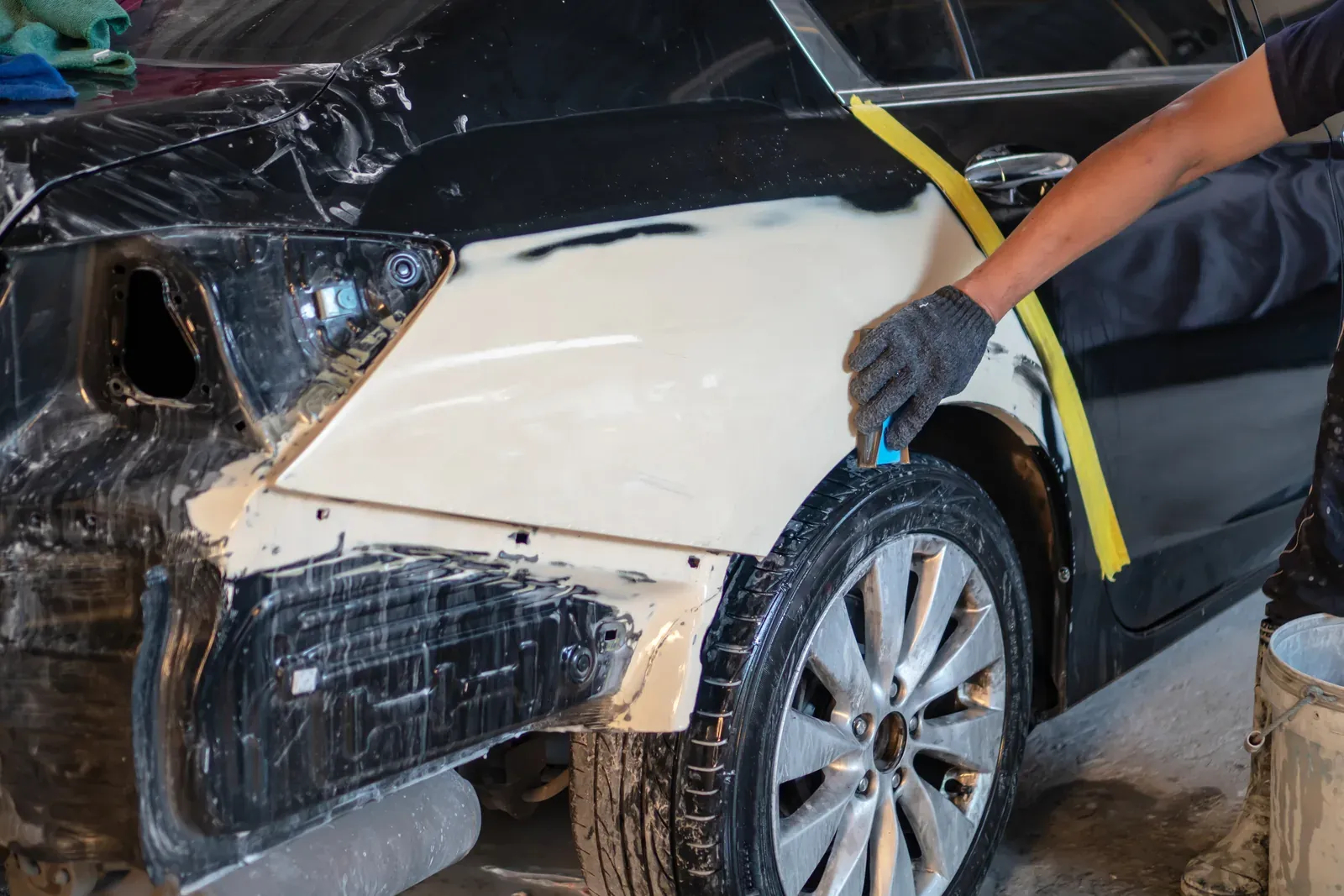
For panels that do need finishing, the process is the one that prevents mismatches — color read off the vehicle by camera, matched to the paint code, sprayed out and checked before it goes on the car, then blended into the adjoining panels. It carries a lifetime warranty for as long as you own the vehicle, which is easy to offer when the work is done that way and expensive to offer when it is not.