Out here, everything parks outside
Jordan sits where the metro thins into farmland, and the parking reflects it. Trucks in the yard, a second vehicle beside the shed, equipment lined up along the drive. Storms coming up the Sand Creek valley reach all of it at once, and there is rarely a version of the evening where everything gets moved under cover in time, even when the warning comes through with what sounds like plenty of notice on the radio.
What that produces is households with several damaged vehicles and one decision to make about all of them. Each one is its own claim with its own deductible, so we write them separately — but they can be looked at together and scheduled so you are never left without something to drive, which matters more when the nearest rental counter is a drive of its own. Whether every vehicle is worth claiming is a separate question, and the estimates are what answer it.
Who actually handles your claim after a big storm
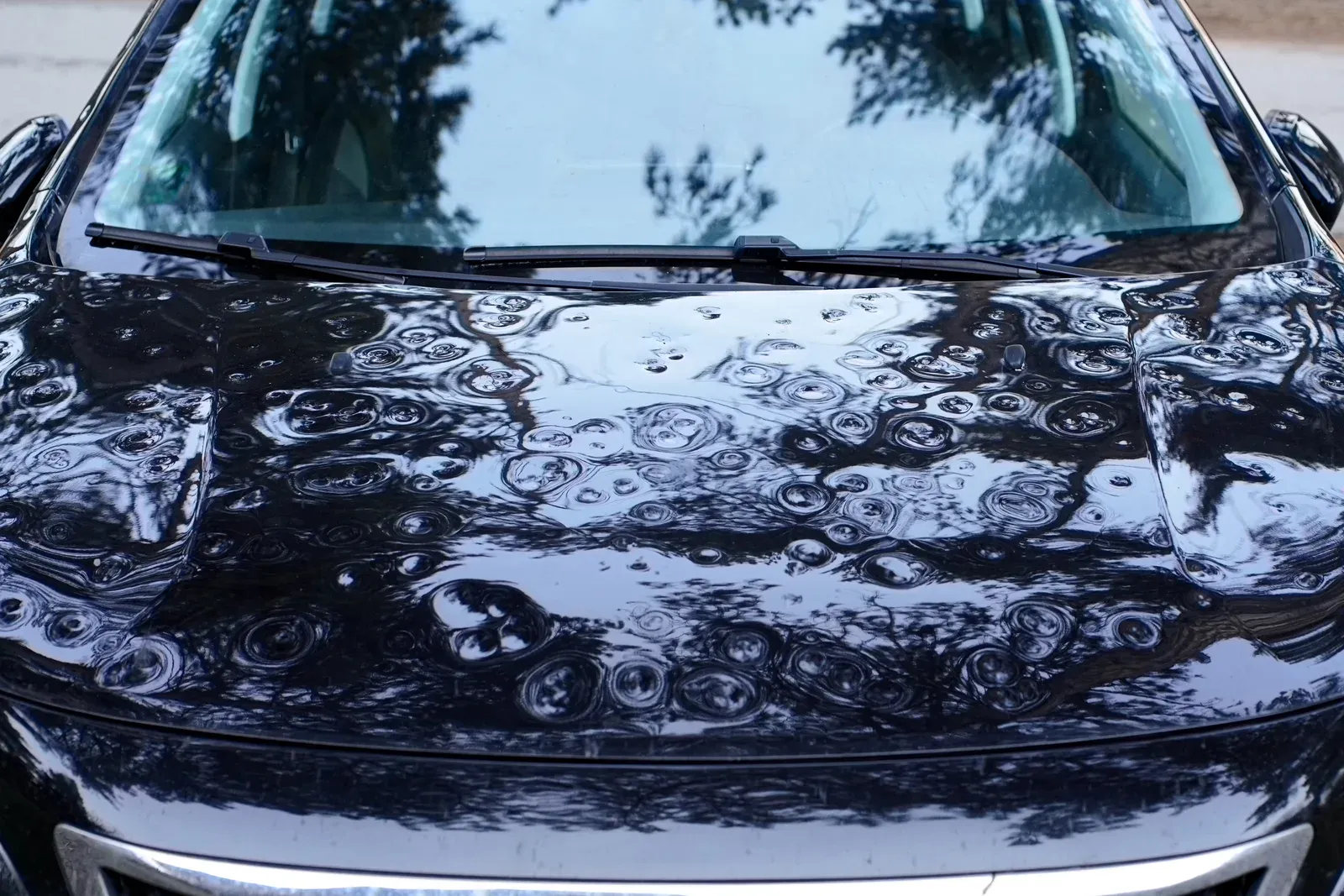
When a storm damages vehicles across half a county, the insurance company usually hands the claims to a catastrophe team. These are adjusters brought in for the event, often inspecting cars at a temporary site rather than at a shop, working through a volume of vehicles that leaves little room for a careful count on any single roof. The estimate that results is a fast answer, not necessarily a complete one.
We deal with those desks as a matter of routine. Their estimate is compared against what the panels show under our lights, and any gap is documented with photographs and submitted as a supplement. It is a normal part of storm season, and it is handled between us and the insurance company rather than by you — nobody in Jordan should be spending an evening explaining dent counts over the phone to somebody three states away.
The clock on a storm claim
Storm damage sits patiently, which is the trap. Some policies limit how long after a loss you can report it, and a claim you meant to file in the summer is worth nothing the following spring. Others will point at the unrepaired hail already on a panel and deduct it from the next storm settlement, so the delay ends up costing you twice on the same sheet metal.
Repair capacity has its own clock. Shops across the metro fill within days of a storm, and the drive from Jordan is twenty-five minutes whether your car is scheduled next week or next month. Sending photos early costs nothing and settles the timing question before it turns into one, and the estimate is yours to sit on for as long as you like. There is no deposit, no obligation, and no pressure attached to holding a place in the schedule.