Hail lands on the panels you see from above
The damage collects on roofs, hoods and decklids, which on the cars parked around 50th & France and Southdale are also the panels wearing the most complicated paint. Metallic and pearl finishes hide dents beautifully at midday and reveal every one of them the moment low sun rakes across the hood — which is precisely when a buyer, an appraiser, or a valet notices, and precisely the light nobody inspects a car in.
Ramp parking spares a fair number of Edina vehicles, but not the ones on the street, in a driveway off Wooddale, or sitting outside overnight near Braemar. Those are the cars we see, and they tend to be the ones where an average refinish would end up more visible than the dents ever were. Getting the repair strategy right matters more here than the speed of getting it started.
Why we would rather not repaint your roof
Every repainted panel is a panel that no longer matches the factory in the way the factory matched itself. On a metallic or tri-coat finish that difference is unforgiving, because the flake has to lie down the same way across a curve it was never sprayed on. So the first approach on hail damage is always to work the dents out from behind and leave the original paint exactly where it is.
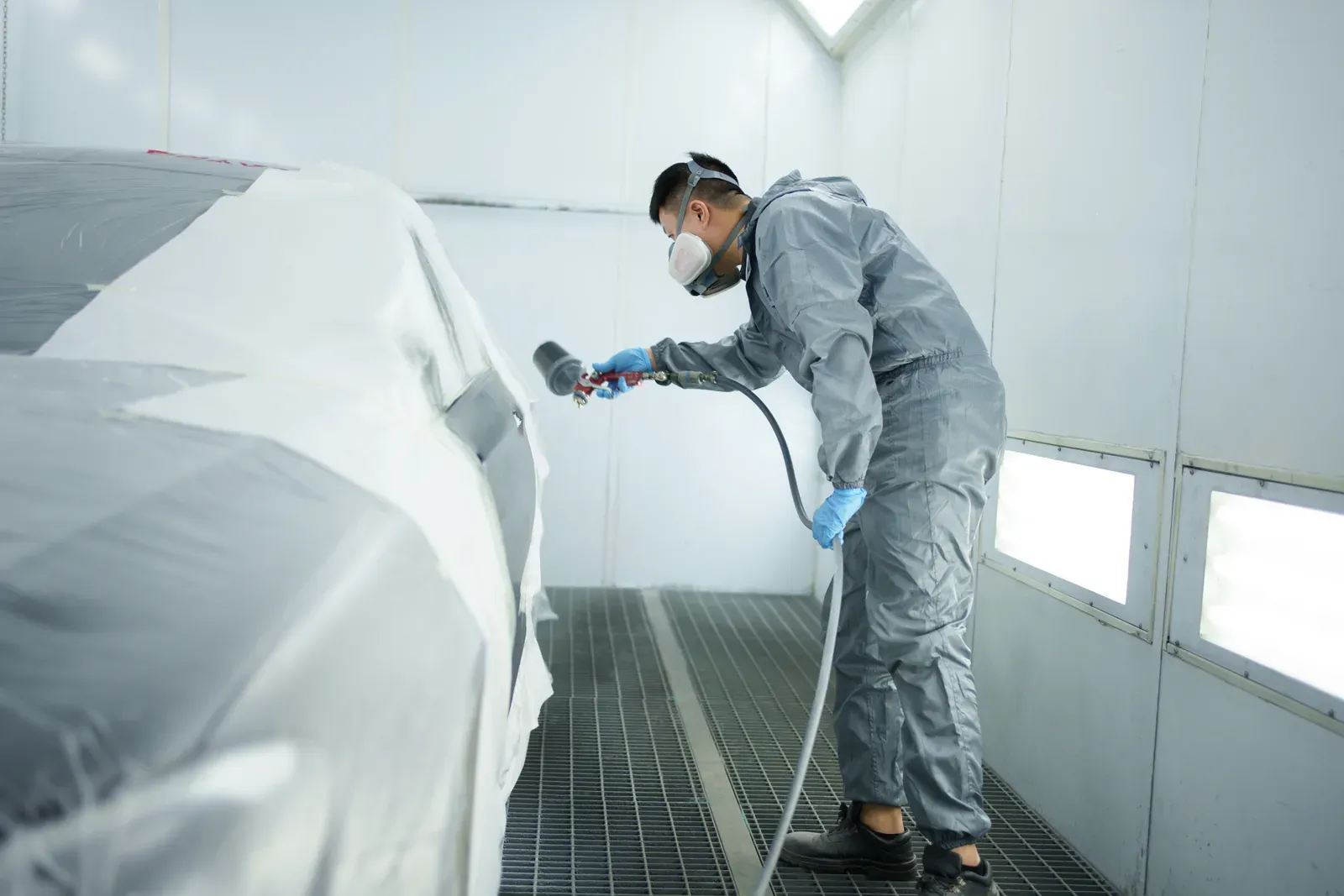
When that is not possible — broken clearcoat, stretched aluminum, a dent sitting on a character line — the panel is refinished properly rather than approximately. Color is matched to your paint code by camera and blended into the adjacent panels so the transition falls where the eye cannot follow it, which on a roof usually means carrying the blend down into the pillars. That work carries a lifetime warranty for as long as you own the car.
The claim is comprehensive, and the shop is your choice
Hail sits under comprehensive coverage, so there is no fault, no other party, and no accident on your record. Most policies apply no premium penalty to a comprehensive claim, though the specifics belong to your policy and your agent can confirm them in a short phone call — worth making before you file rather than wondering about it afterward. On an expensive finish it is also worth asking whether your policy pays for original equipment parts, since a replaced hood or roof panel is a different conversation from a repaired one.
Where the work gets done is settled in Minnesota: the insurance company may recommend a shop and may not require one. We work with every insurance company, meet adjusters here, and file our own supplements — including with the catastrophe teams brought in after a widespread storm, who write fast and rarely account for the extra blend work a tri-coat roof actually needs. When that happens we document it and ask for the correction ourselves rather than passing the shortfall along to you.