Company cars, leases, and damage you have to account for
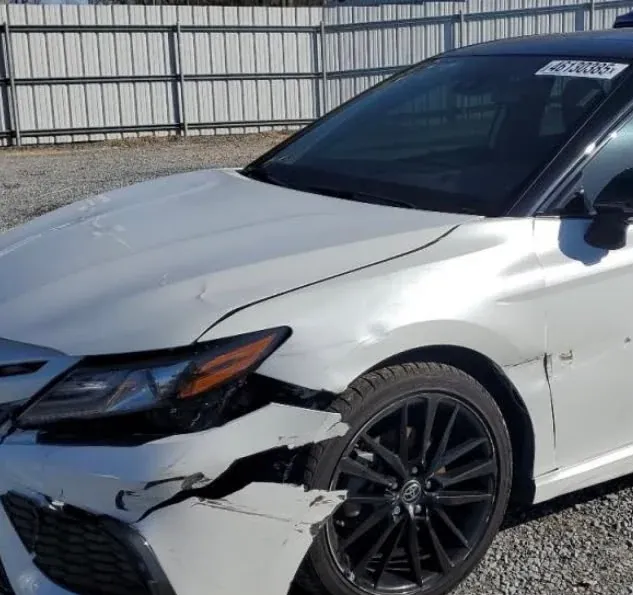
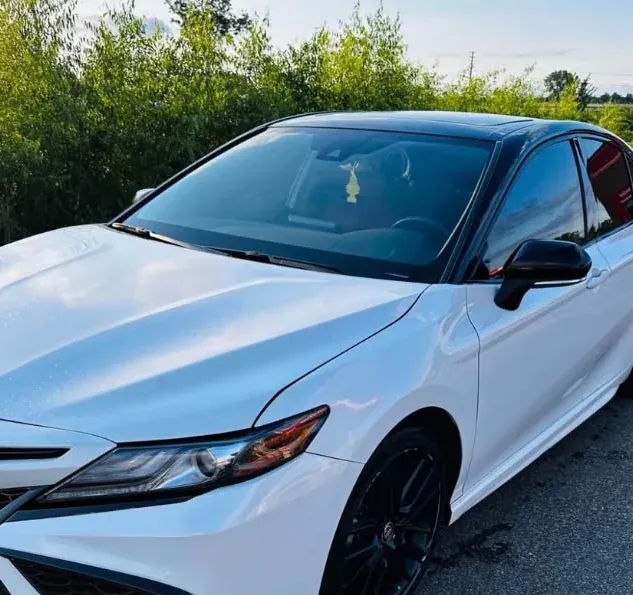
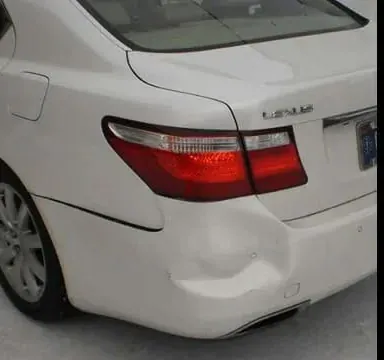
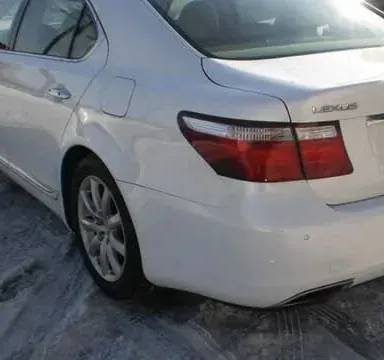
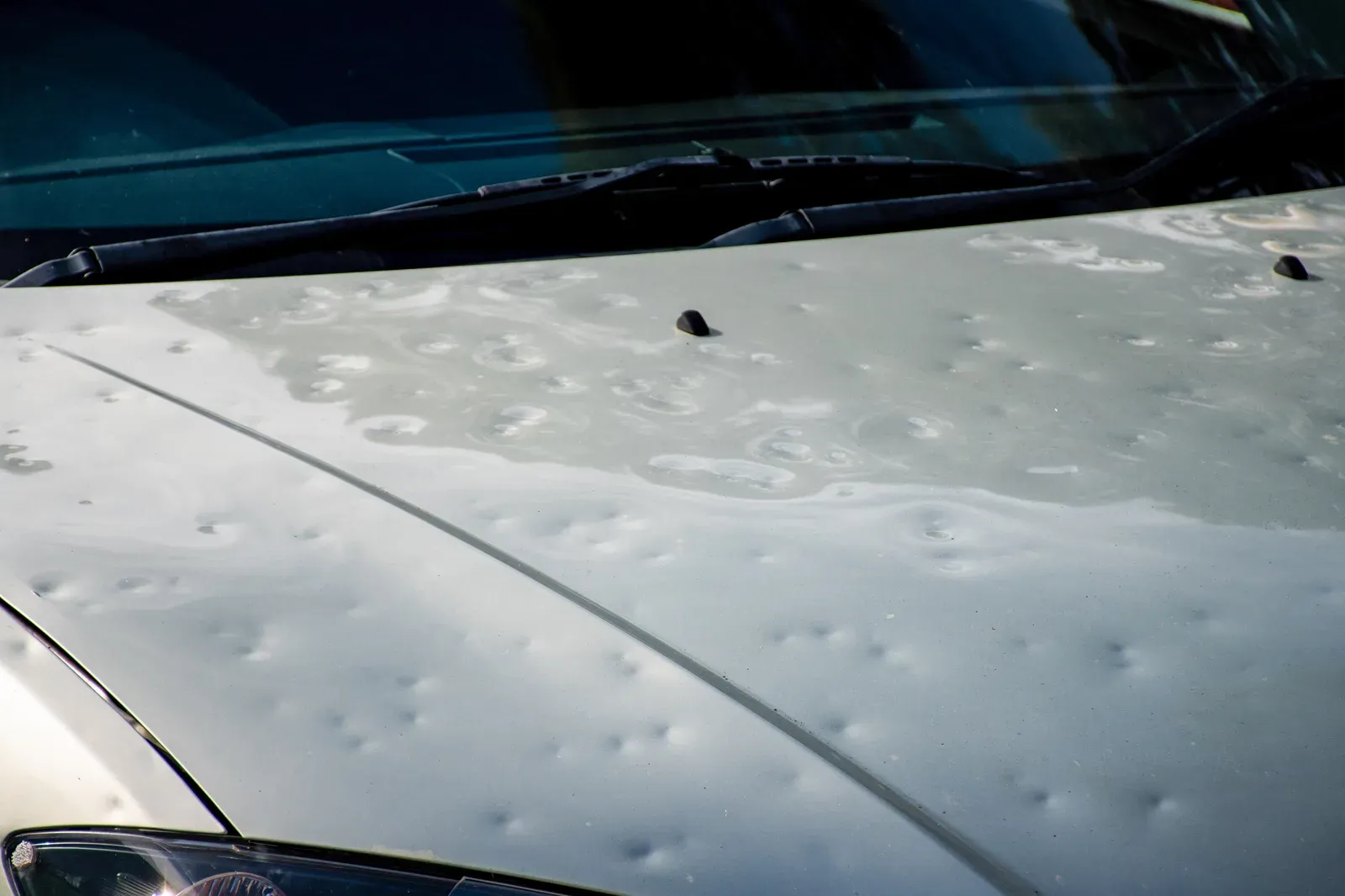
Eden Prairie has a high share of leased vehicles and company cars, and both come with someone else eventually inspecting the roof. Hail is exactly the kind of damage that gets flagged at lease return — it is spread across the panels an inspector checks first, it is easy to photograph, and it is easy to price against you when nobody has documentation to the contrary sitting in the glovebox. The same applies to a trade-in appraisal, where the walk-around starts at the hood.
That makes the paperwork as important as the repair. Every vehicle here is photographed before, during and after, the estimate lists what was done to each panel, and refinished work carries a lifetime warranty in writing. When the inspection happens, you hand over a record instead of an explanation, and a documented repair on a comprehensive claim is a very different conversation from unexplained damage on a returned car.
Do not let a storm claim age
A hail claim gets harder to make the longer it sits. Some insurance companies impose a reporting window on storm losses, and outside it the claim simply is not there anymore. Others will look at unrepaired hail on a panel and subtract it when a later storm damages the same metal, which means you effectively pay for the first storm twice and collect for it once. None of that is hidden in the policy, but very few people go looking for it until the second storm arrives.
There is also the practical matter of the queue. Repair capacity across the metro is fixed, and the week after a storm it is spoken for. Sending photos early costs nothing, gets you a written estimate within 24 hours, and reserves a place you can still decide not to use. Nothing about holding a slot commits you to filing a claim or to having the work done here.
Repair first, refinish where the panel demands it
The default on hail work is to move the metal and leave the paint. Factory finish carries corrosion protection and a uniformity no refinish quite reproduces, so every panel is assessed for whether the dents can be worked out with the original surface intact. On a lease return or a company car about to change hands, that distinction shows up directly in what the vehicle is judged to be worth.
Where hail has broken the clearcoat, stretched an aluminum hood, or landed hard on a body line, refinishing is the honest answer and we say so upfront. Those panels get a computerized color match against your paint code and a blend into the adjoining metal, so nothing about the repair announces itself in a parking lot two years from now, and nothing about it turns up on an inspection sheet as a mismatch.