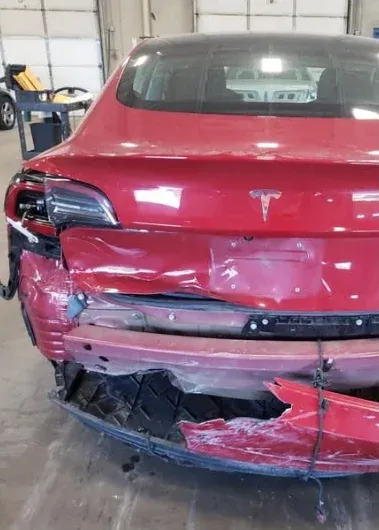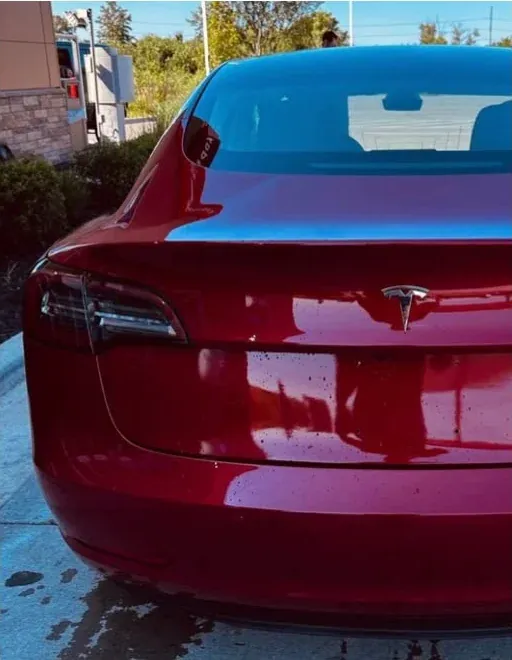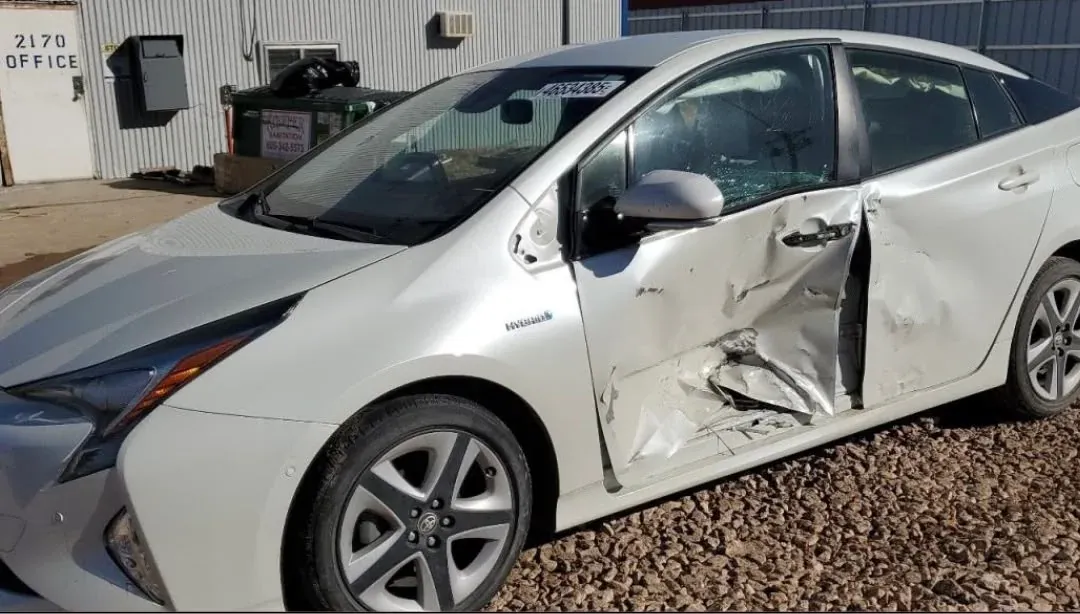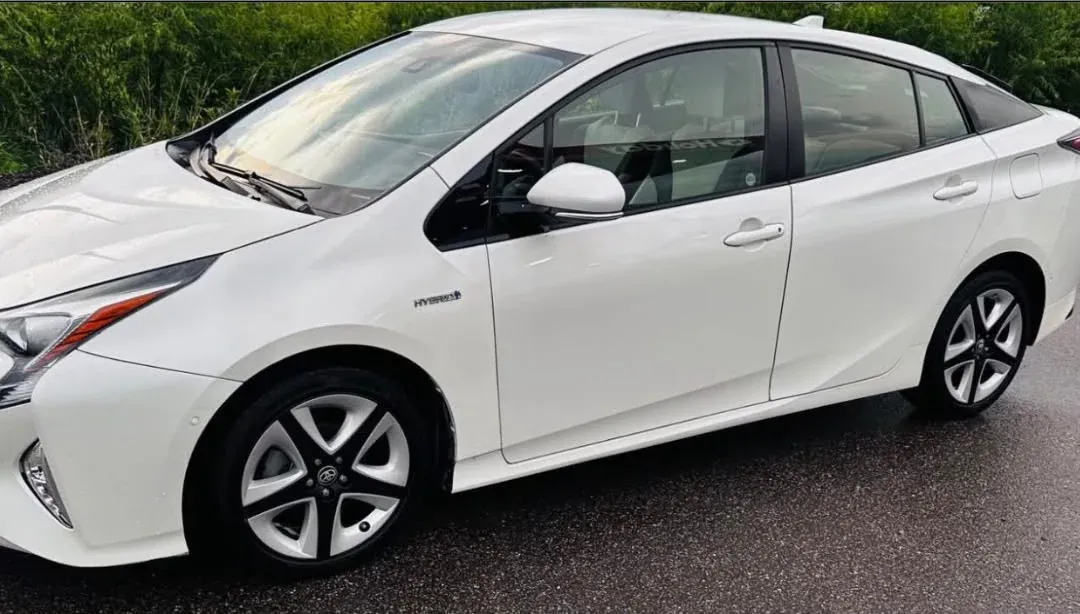
Ramps save cars. Surface lots do not.
Bloomington has more structured parking than most of the metro, and the difference shows after a storm. Cars that spent the night in a ramp near the airport or the mall come out untouched. The ones in the open lots along American Boulevard, in apartment parking off Old Shakopee Road, or in a driveway near Hyland Lake come out dimpled, and the gap between those two outcomes is nothing more than where somebody happened to leave the car.
Nobody plans their parking around a forecast, and hail in this part of the country tends to arrive with very little warning after dark. What you can plan is what happens next. US 169 south over the Ferry Bridge is a shorter run than most Bloomington drivers expect — Hyland Park to our door is around eight miles, and none of it involves sitting on 494 waiting to reach a shop that is technically closer.
What waiting a season actually costs
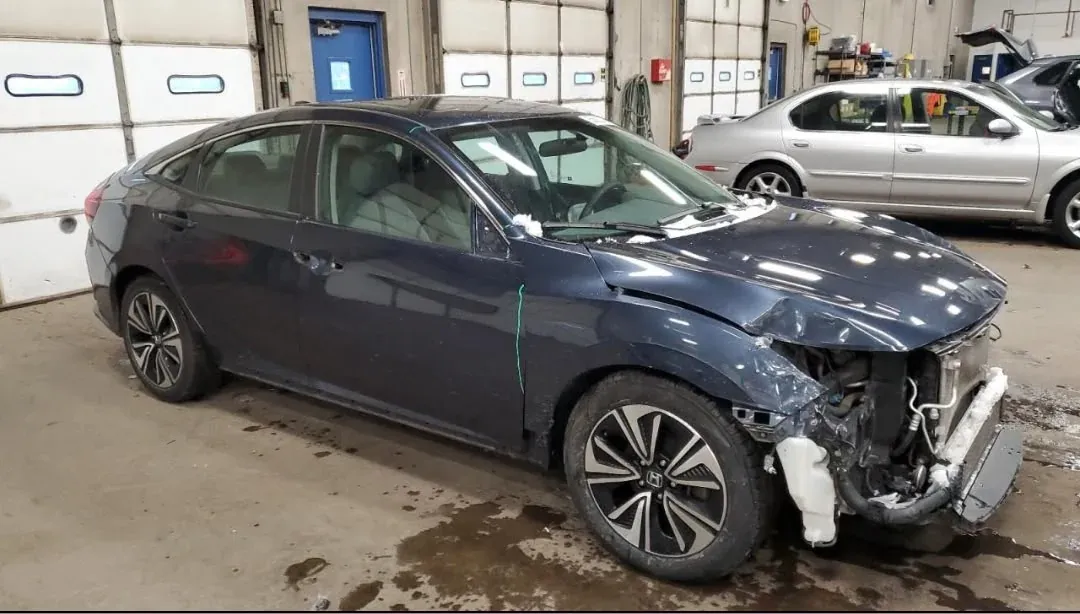
Storm damage does not get worse the way an unrepaired collision does, which makes it tempting to leave until something more urgent comes along. The costs are quieter but they are real. Insurance companies can and do subtract visible unrepaired hail from a later settlement on the same panels, and some set an outright deadline for reporting a storm loss at all, after which the claim is simply gone whether or not the damage is still on the car.
Meanwhile the car keeps depreciating on the strength of what a buyer sees first, and a hood full of dimples reads as neglect whether or not it is. If a stone opened the clearcoat anywhere, winter chemistry starts working on the bare metal underneath, and the salt on 494 does not care that the dent was cosmetic in July. None of it is urgent in week one, and all of it is more expensive in year two.
Saving the paint the factory put on
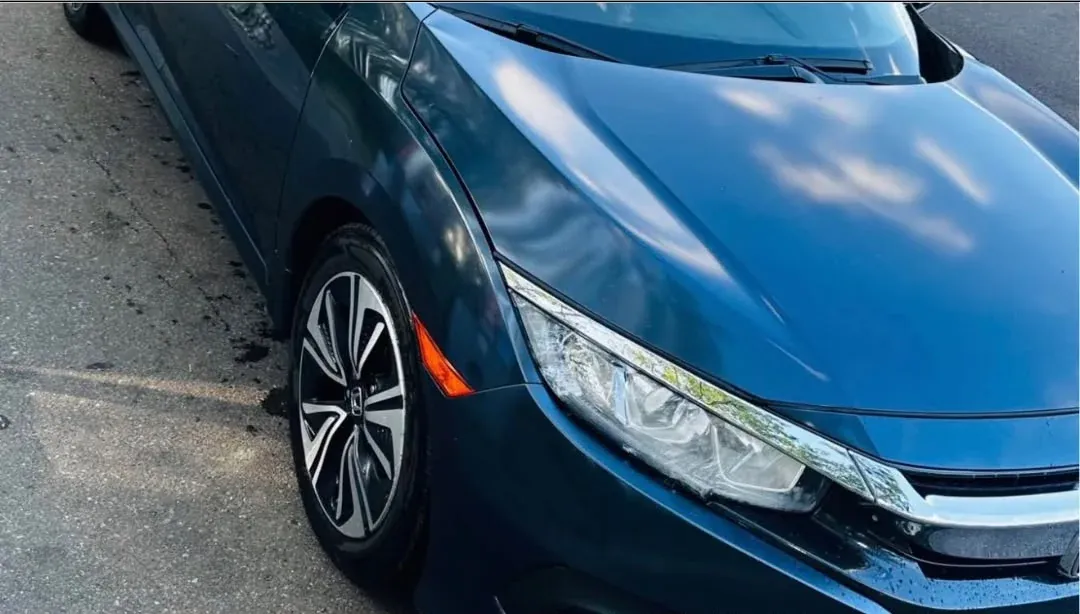
The best possible outcome for a hail-damaged panel is that the dent disappears and the paint never changes. Original factory finish is applied and cured in a way no repair shop can match, so wherever the metal will move cleanly we work the damage out from behind and leave the paint alone. That is not a shortcut — it is the harder route, and it is the one that protects what the car is worth.
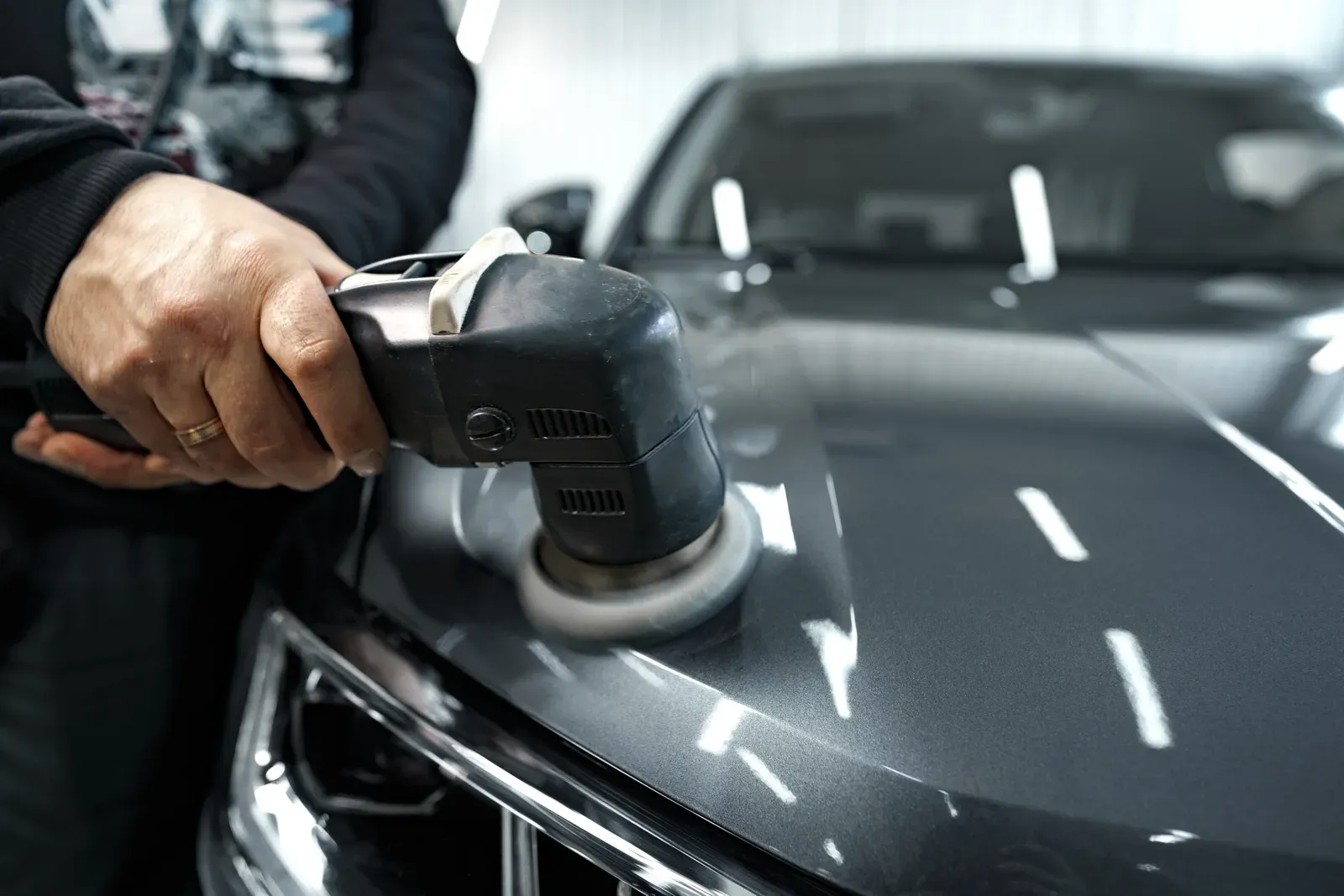
Where hail has cracked the surface or stretched the metal beyond that point, the panel is refinished properly — color matched to your paint code, blended into the adjacent panels so no transition shows, and warranted for as long as the car is yours. You are told which panels fall on which side of that line before anything starts, so there are no surprises added to the invoice halfway through.