Genesis mixes aluminum closures with a hot-stamped core
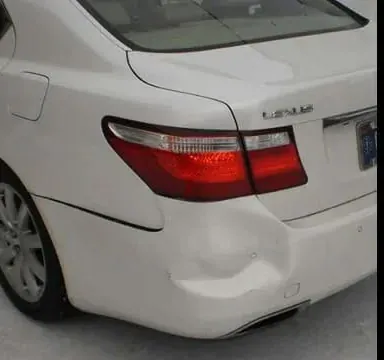
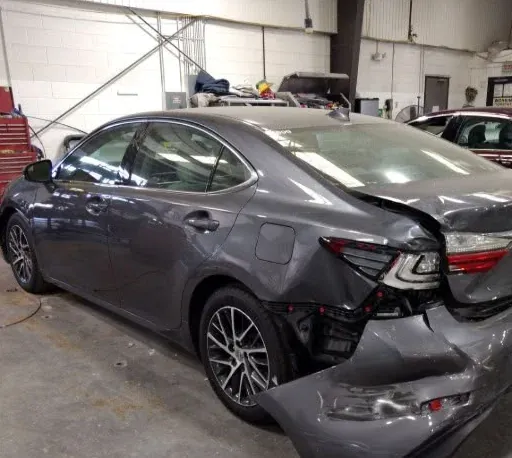
Genesis builds its sedans and crossovers around rear-drive-based platforms with substantial hot-stamped steel through the pillars, rockers and door ring, and it uses aluminum for closure panels such as hoods and trunk lids to pull weight off the ends of the car. That is two different repair disciplines on one vehicle: hot-stamped steel that must not be heated or pulled, and aluminum that cannot share tooling with steel. Both rules apply to the same car, and neither is obvious from looking at a damaged corner.
So the first job on a damaged Genesis is establishing what each affected part actually is, which happens during teardown rather than in the estimate lane. The published procedure for that body and year then defines the joints, fasteners and adhesives. Laser readings against factory dimensions are recorded before and after any structural correction and go into your file with the teardown photographs. Genesis is a young enough brand that most owners have no repair history to compare against, which makes the documentation worth more than usual.
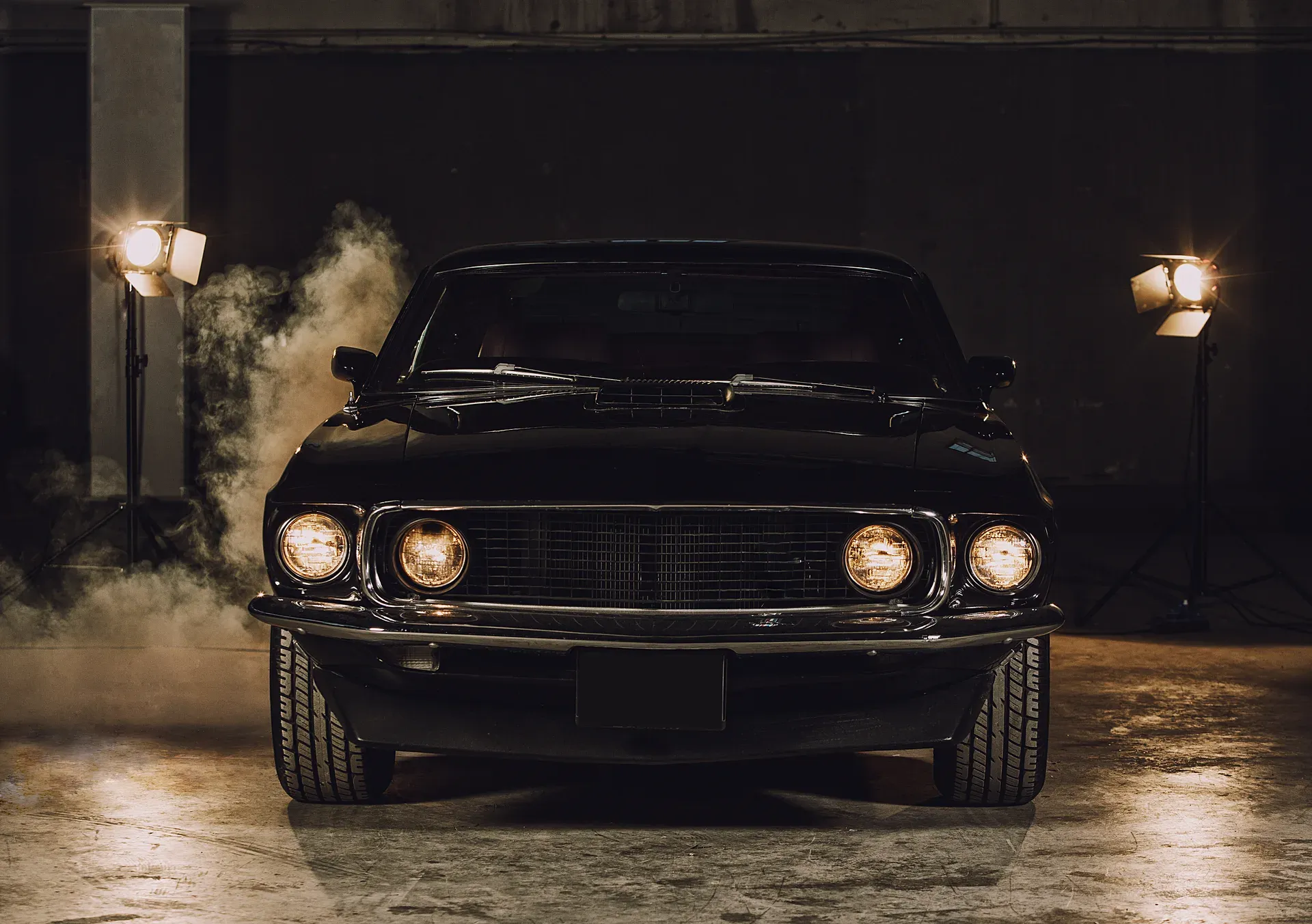
The crest in the grille sits in the radar path
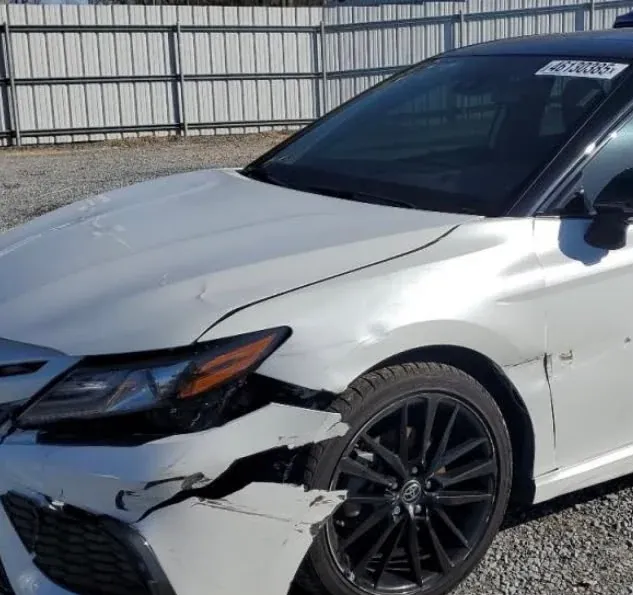
Genesis Highway Driving Assist and forward collision avoidance read from a camera at the top of the windshield and a radar module behind the front grille, generally looking out through the crest emblem area, with corner radars at the rear bumper for blind spot avoidance. The emblem in front of a radar is engineered to pass the signal at a specific thickness and composition, not chosen for how it photographs.
That is why our parts promise matters here. Genuine parts are specified for grilles, emblems and covers a sensor reads through, brackets go back to their original positions, calibrations published for the work performed are completed, and each vehicle is scanned before teardown and after reassembly with both reports kept on file and shared with your insurance company. A crest replaced with a cheaper part is invisible in a photograph and measurable in how early the car brakes for traffic ahead.
- Aluminum closures worked separately from steel to prevent galvanic corrosion
- Hot-stamped members replaced at published joints rather than heated
- Genuine grille and crest emblem parts specified in the front radar path
- Pre-repair and post-repair scans supplied with the finished invoice
Matte paint and the electrified models
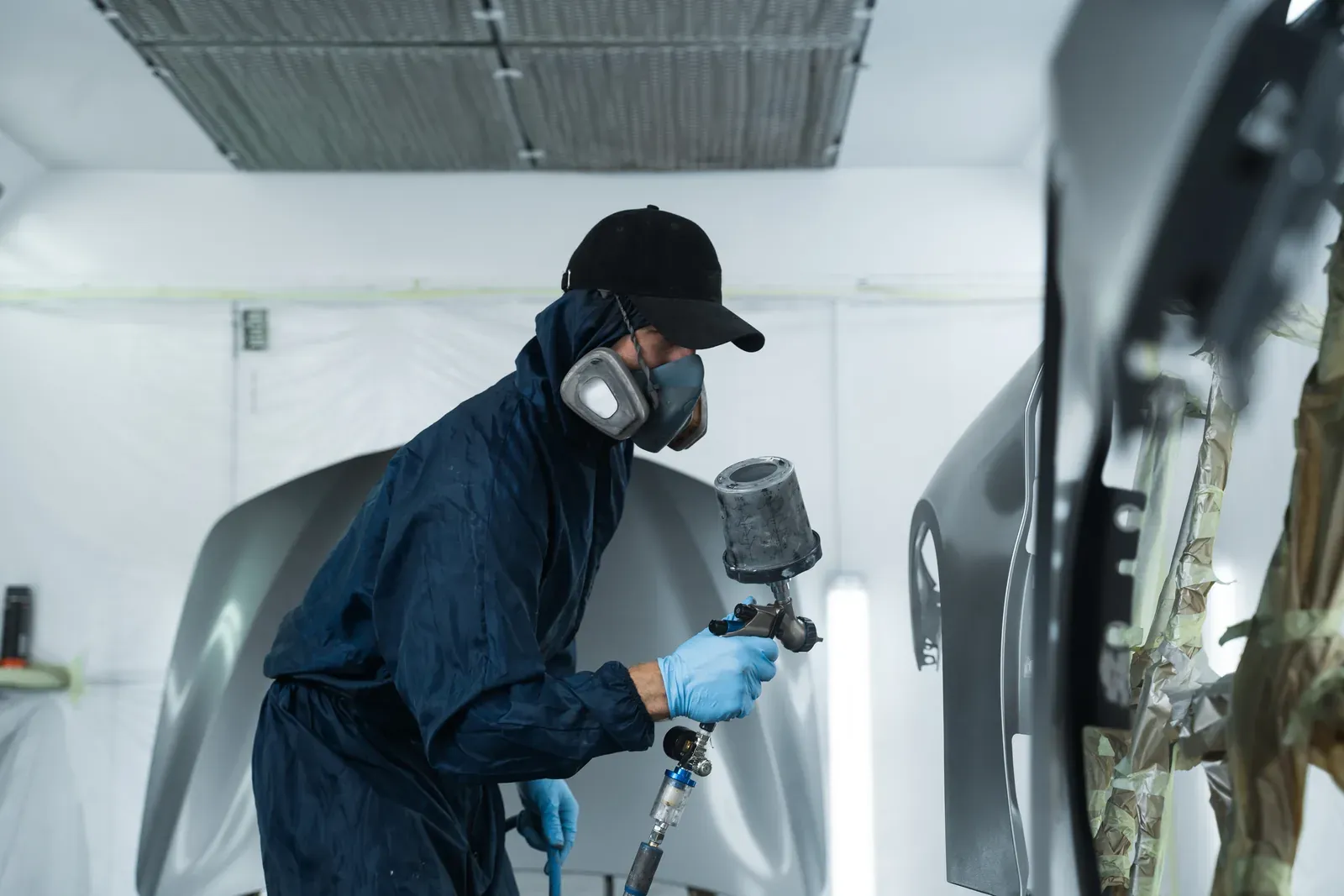
Genesis is one of the few manufacturers offering factory matte finishes on mainstream models, and matte paint follows one hard rule: it is never polished, compounded or buffed. The flat look comes from the texture of the clearcoat, so any attempt to correct a defect locally leaves a permanent gloss patch. A damaged matte panel is refinished with the matte system, and we say that plainly before anyone tries something clever.
The Electrified G80 and GV60 sit on an 800-volt platform with the battery pack integrated into the floor, so the high-voltage system is shut down and discharged before any welding, cutting or structural pulling, and the car is lifted only at specified points. The pack case is inspected wherever the impact landed, and anything found is documented in writing rather than covered over. An electric Genesis leaves here with that inspection recorded on the paperwork.