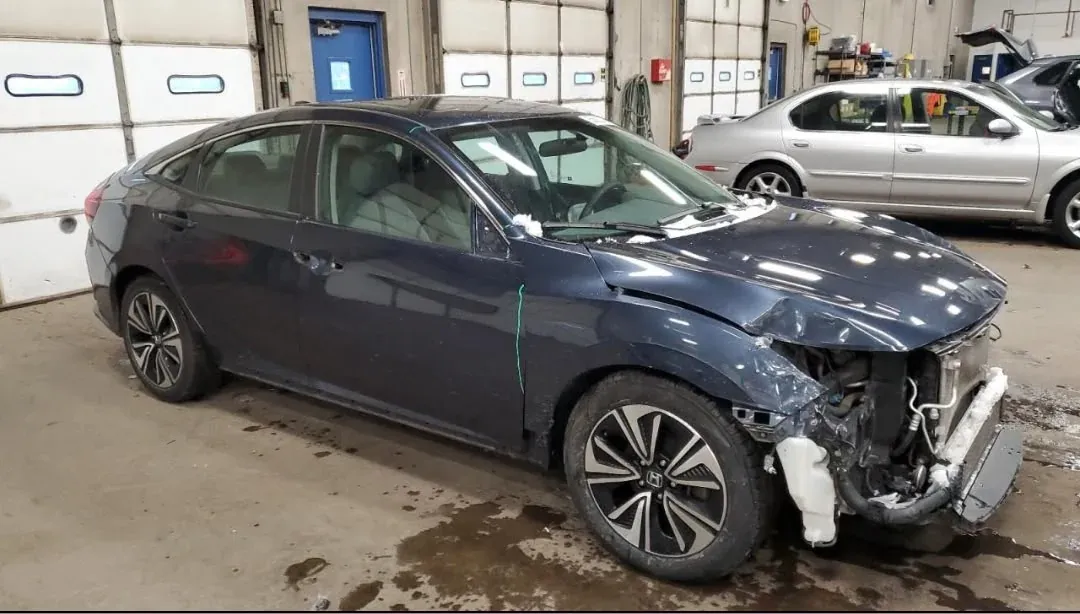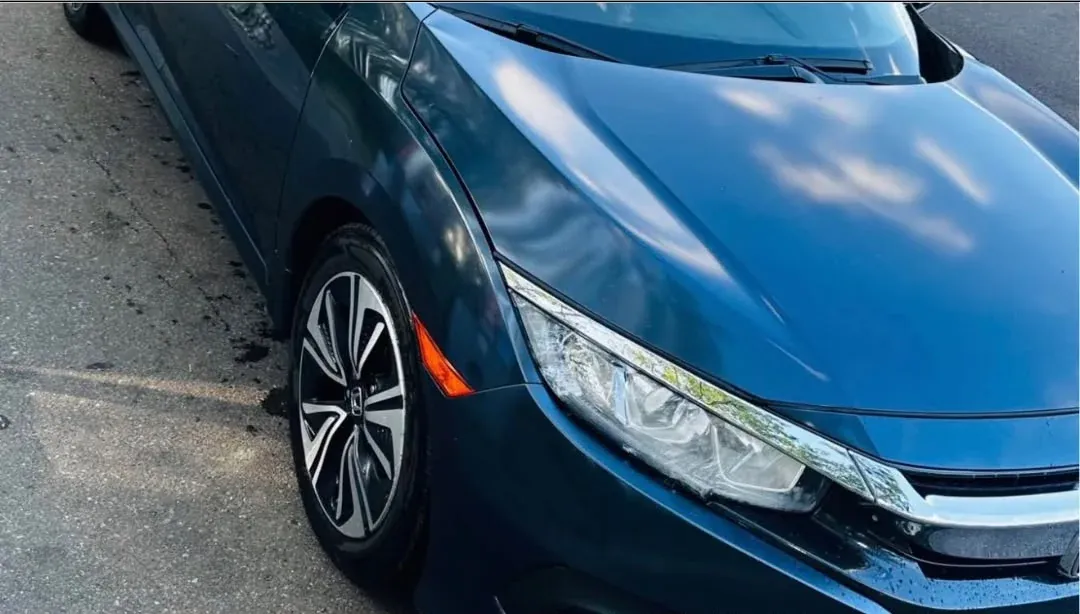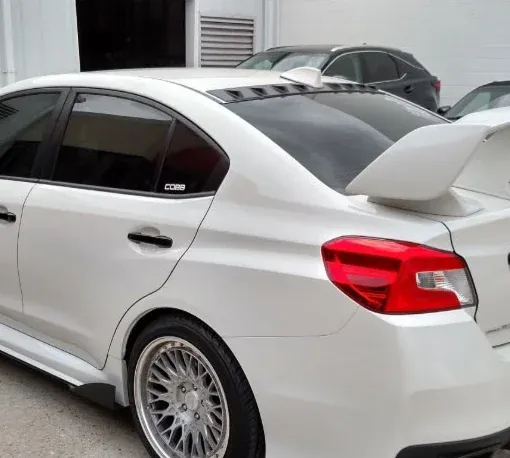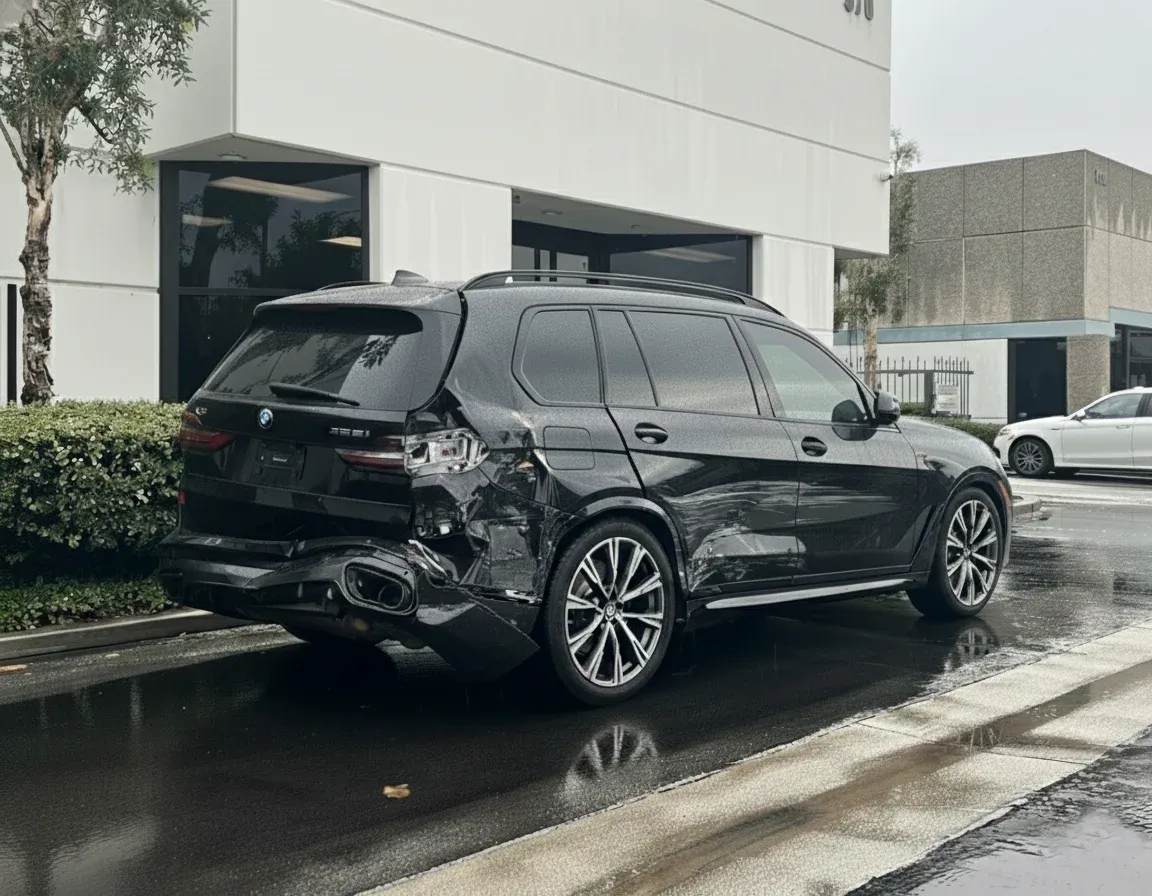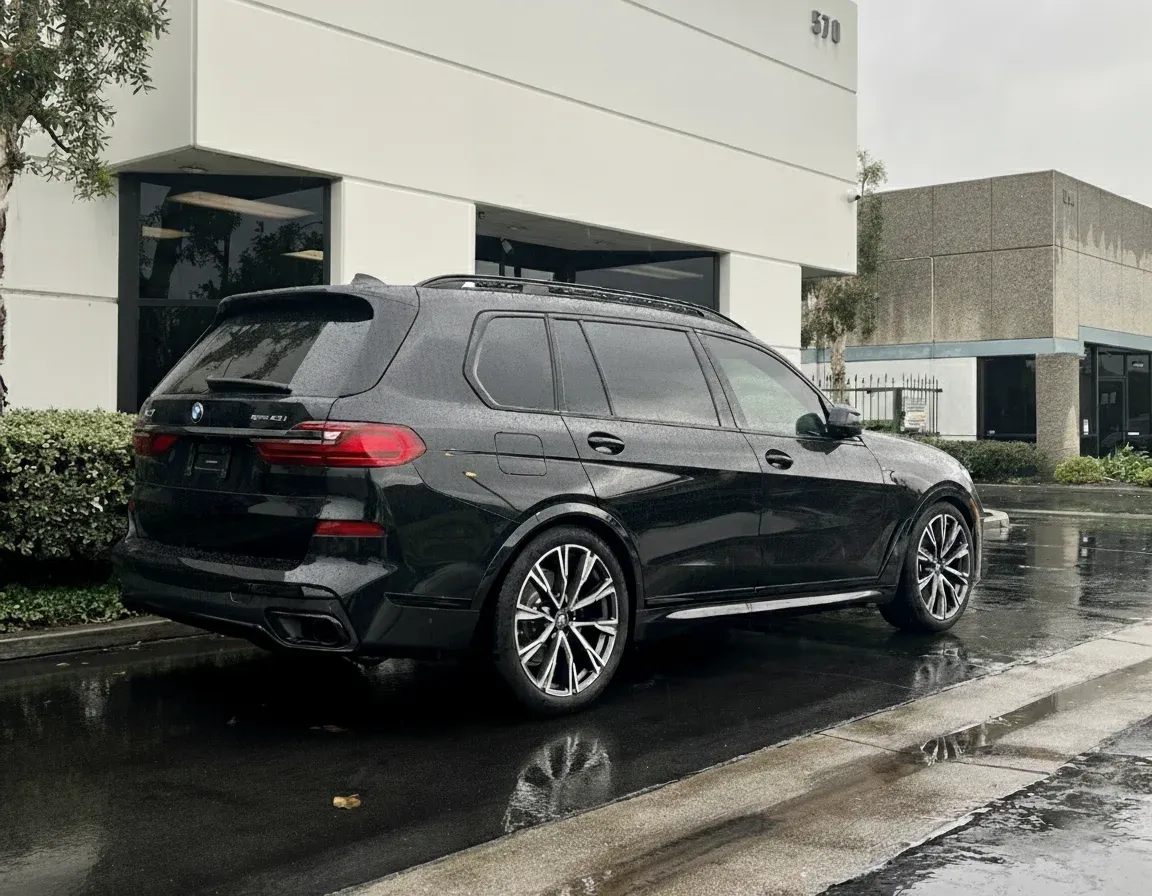
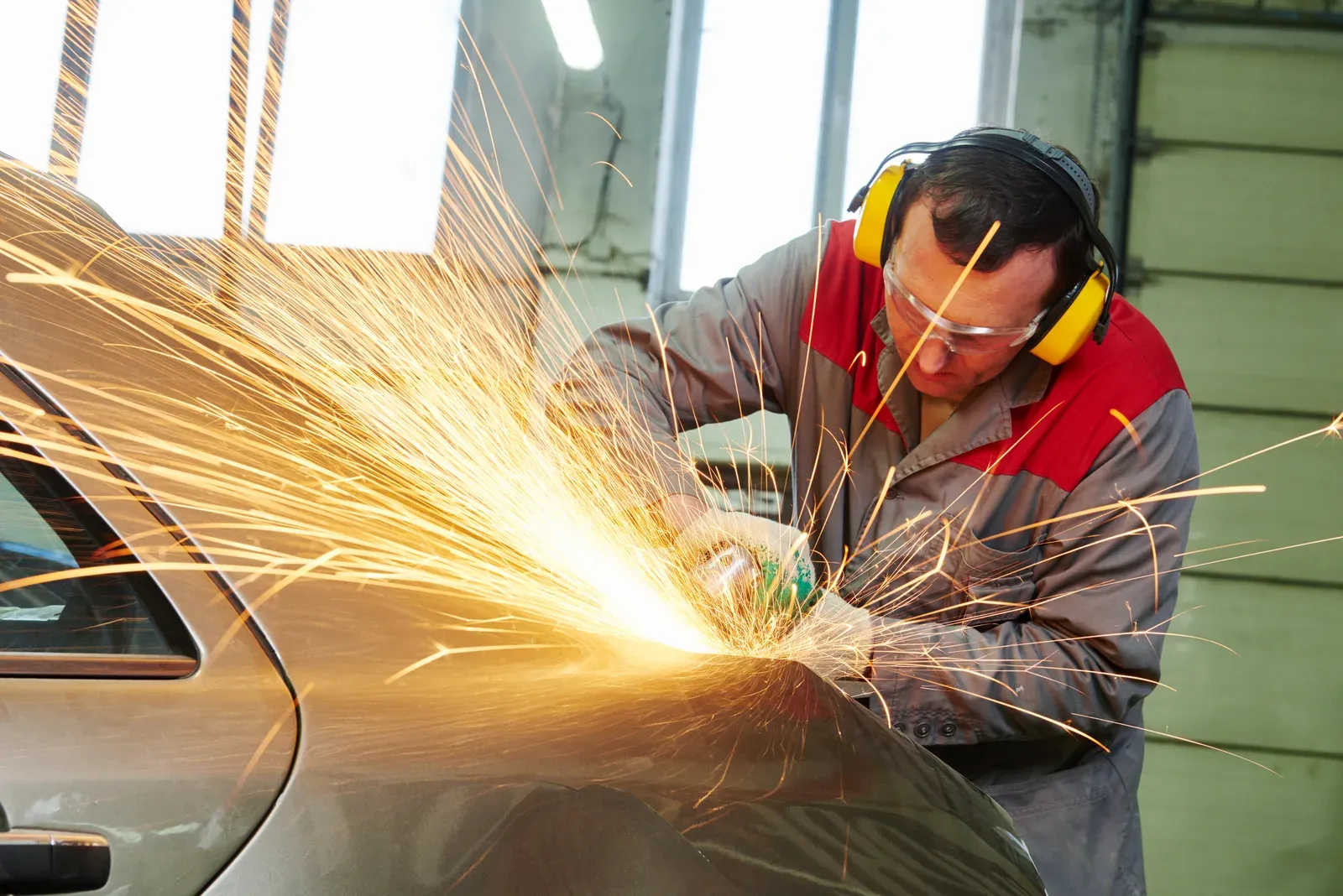
Shakopee is a short hop east on County Road 16
Eagle Creek Boulevard becomes County Road 16 and runs almost directly to our block, which makes Shakopee one of the easiest trips into the shop. Southbridge drivers are here in about five minutes. From the Canterbury Park side or the historic downtown it is closer to fifteen, and even Valleyfair and the far west end of town stay under twenty. Distance is rarely the reason a Shakopee car ends up somewhere else, which makes the choice a real one.
Structural work is the kind of repair worth choosing a shop for rather than defaulting to whichever one sits nearest the freeway. Chain locations run at chain pace with rotating staff. Here the owner writes the estimate, the frame machine is in the same building, and one person handles the claim from the first phone call through the day you collect the keys. That continuity is what most people mean when they say they want a shop rather than a location.
Structural welds follow the manufacturer, not habit
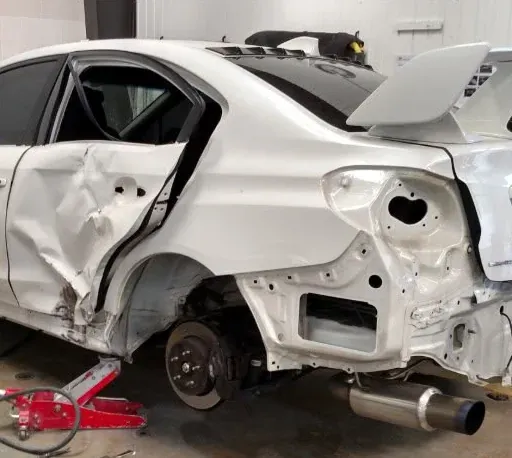
When a rail section or a pillar has to be replaced instead of pulled, the manufacturer publishes exactly how: where to cut, what kind of weld, how many, and in what pattern. Those instructions exist because the metals in a modern body vary panel to panel, and because heat applied in the wrong place weakens a part of the car that is supposed to hold rather than fold. Guessing at that is not a shortcut; it is a different repair entirely.
So the procedure gets pulled up and followed for the specific model sitting in the bay. Corrosion protection goes back into the seams afterward, because a structural repair that rusts from the inside is a repair with an expiry date. None of this is visible once the panel is refinished, which is exactly why it is worth photographing while the body is still open.
- Manufacturer procedure pulled for that specific model before anything is cut
- Specified weld type, count, and placement on every structural seam
- Corrosion protection restored inside the repaired seams
- Open-body photographs in your file, taken before anything is covered up
You get the numbers, before and after
Every structural job here is measured twice. The first reading, taken with the vehicle torn down and anchored, shows how far each control point sits from the factory dimension. That set drives the repair plan and the estimate, and it goes to the insurance company as the reason the work is necessary in the first place. It also gives an adjuster something concrete to approve rather than a description of damage they have to take on trust.
The second reading is taken once the pulls are finished and shows the structure sitting back inside the manufacturer’s specification. Both readings leave with the vehicle in your paperwork. A Shakopee owner who later sells the car, or who simply wants to know the repair was real, has documentation rather than a verbal assurance from whoever happened to be at the counter that day. It is worth keeping for as long as you own the vehicle.