A pull is a measured operation, not a tug
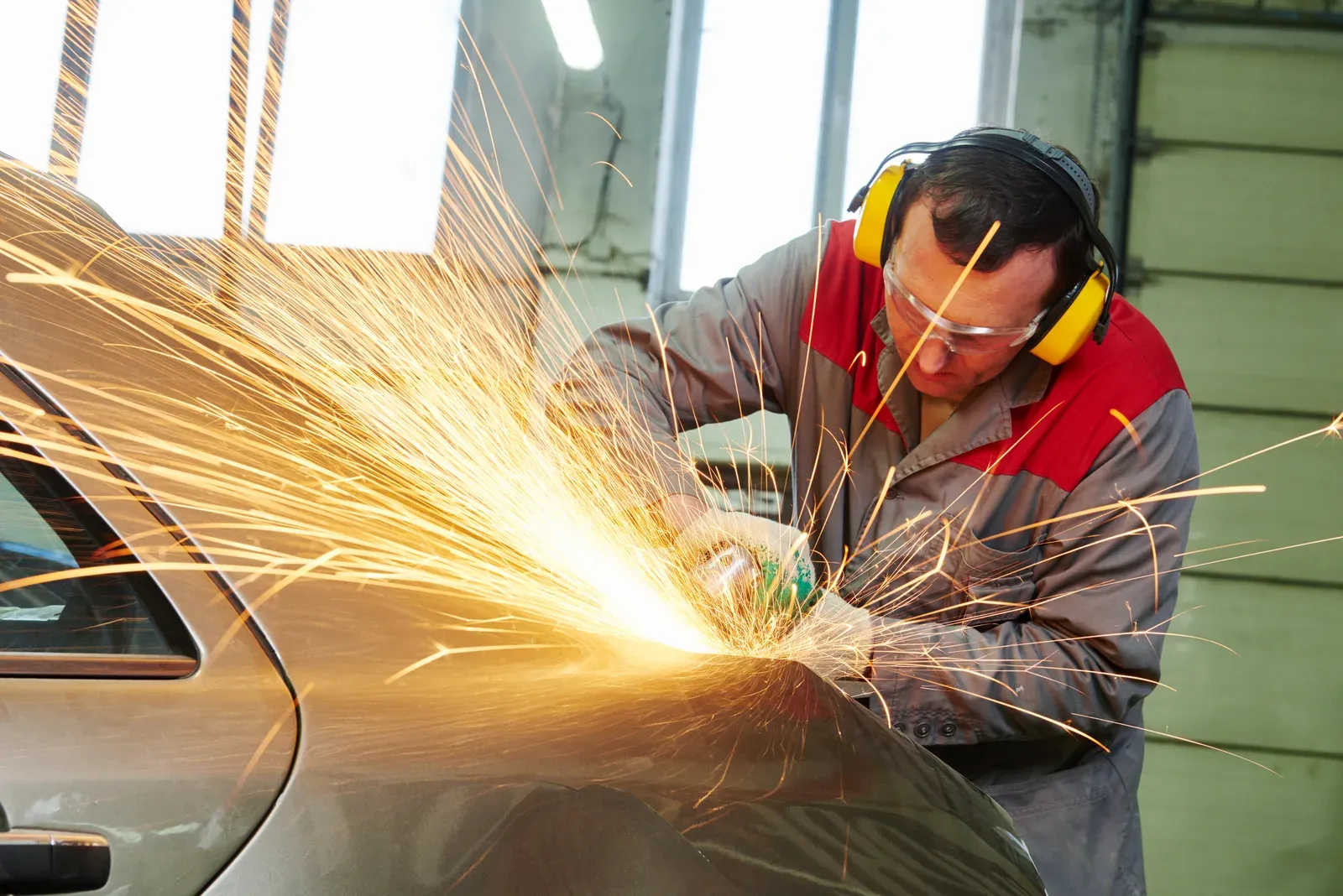
Straightening structure looks crude from across the shop and is not. The vehicle is clamped to the rack at factory anchor locations, a tower is set to apply load along a specific line, and the measuring system reports what the control points are doing while the tension is on. The operator is reading numbers rather than judging by eye. Instinct has its place in a body shop, but not at the point where a rail either is or is not where the factory put it.
Load goes on gradually and comes off between steps, because steel that has been stretched springs back and the reading under tension is not the reading that matters. The honest measurement is the one taken after release. That cycle repeats — pull, release, measure — until the points land inside the manufacturer’s dimensions rather than somewhere close to them. Force is the easy part of the job; knowing when to stop applying it is the part that takes equipment.
What the outside of the car does not tell you
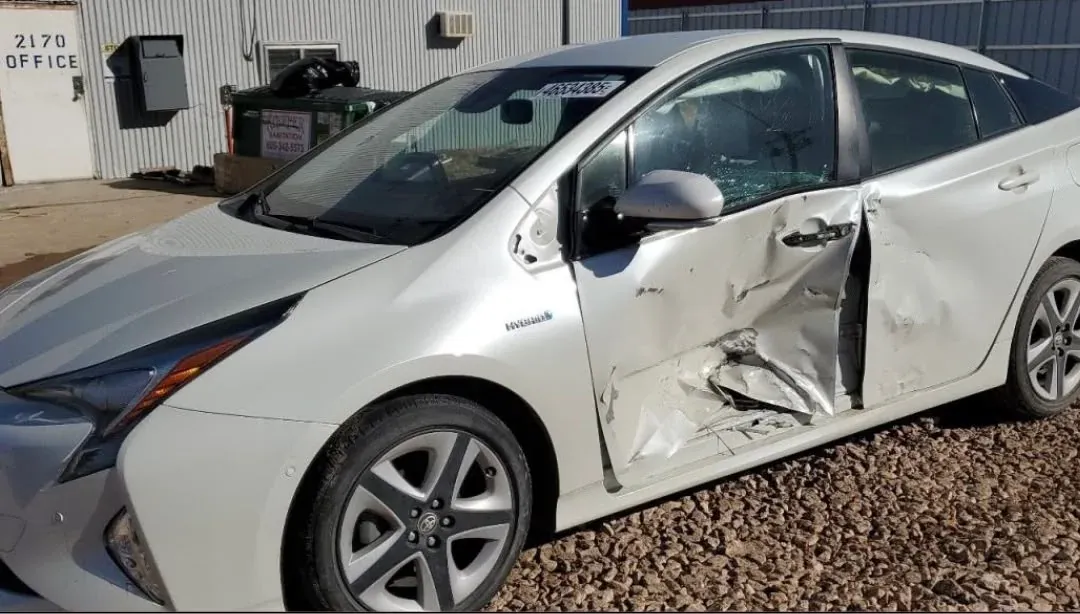
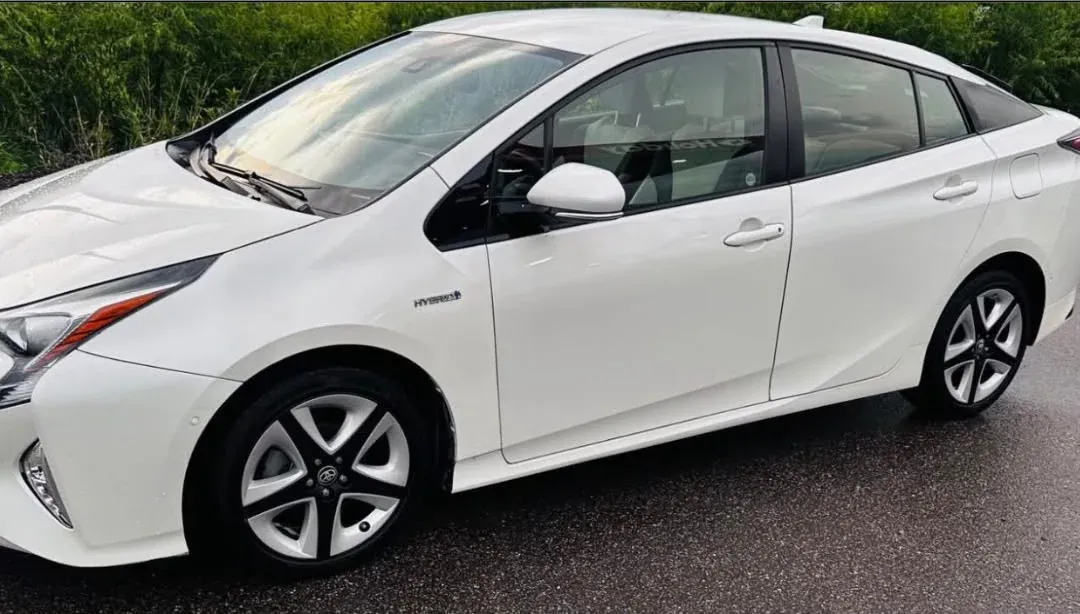
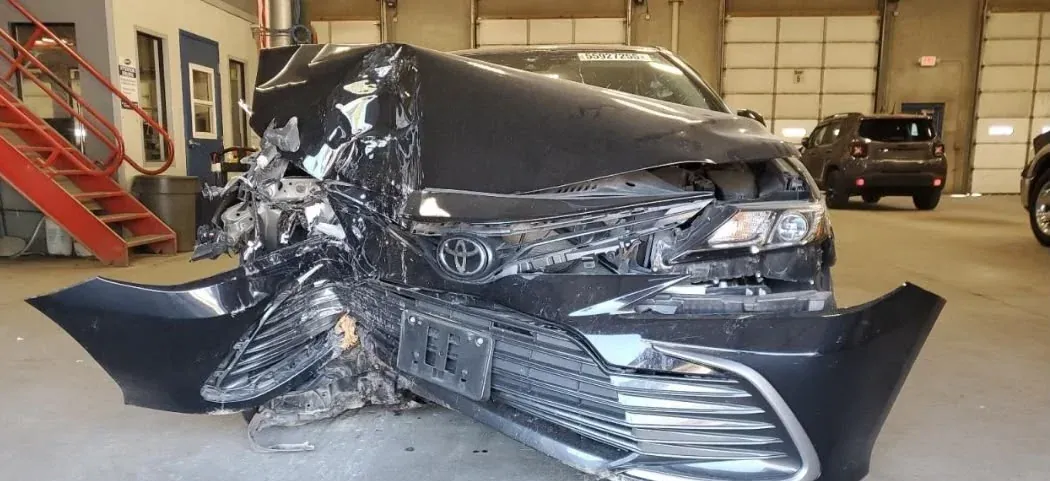
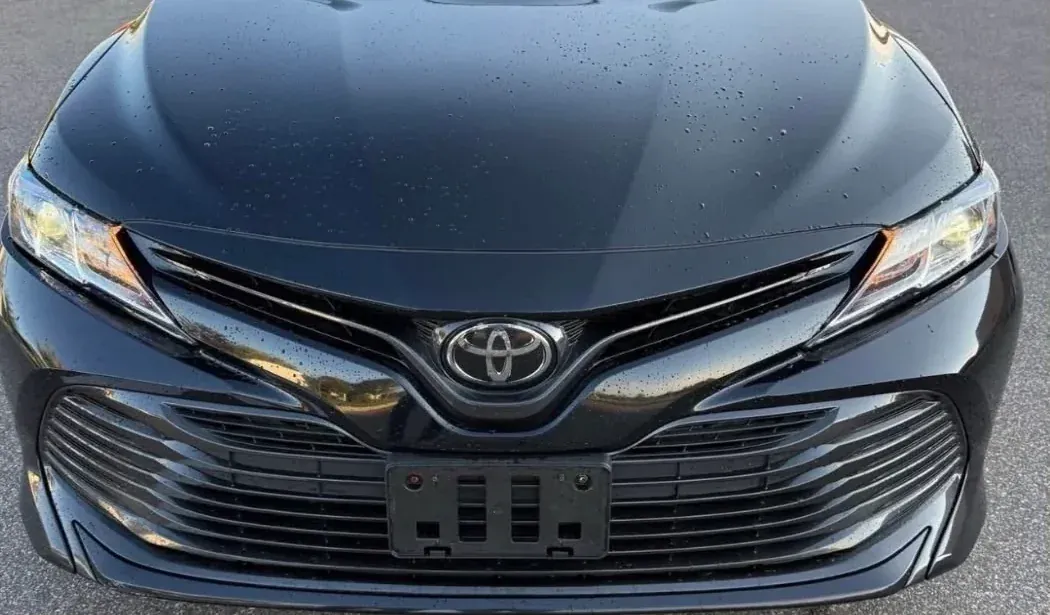
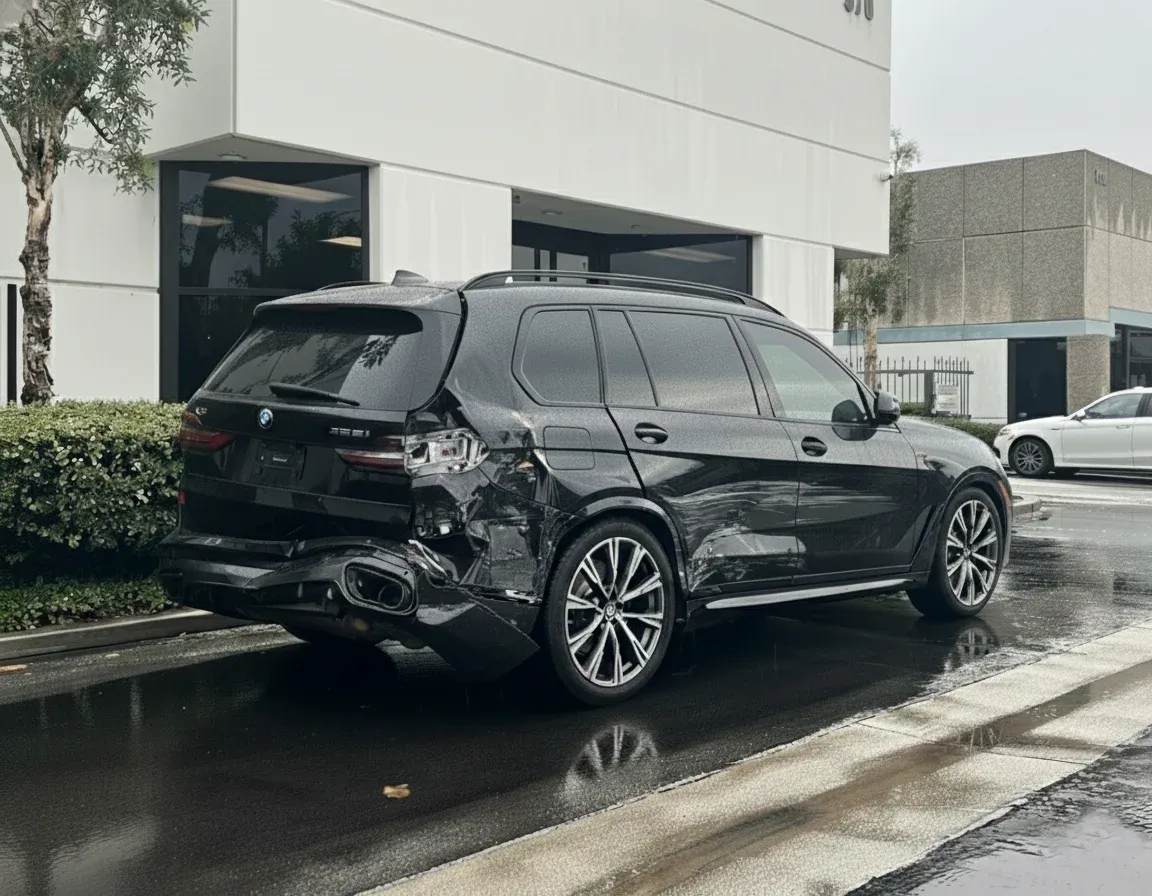
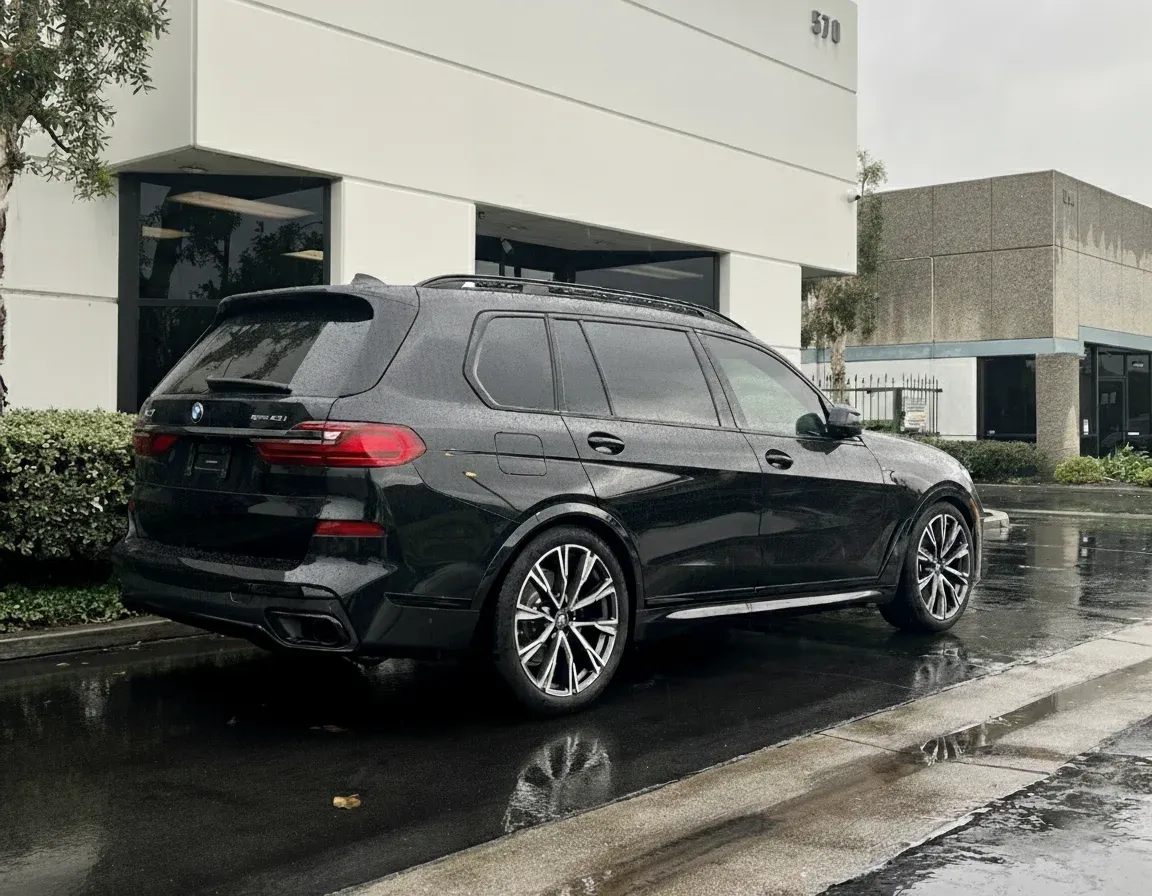
Richfield crashes come mostly off the 35W ramps and out of Hub district traffic, and a fair number arrive here looking worse than they are or better than they are. A crumpled quarter panel can sit on structure that never moved at all. A bumper cover with a scuff can hide a crash box that collapsed exactly as designed, taking part of the rails with it. Both cars arrive looking like an obvious call and turn out not to be one.
Neither case can be settled from the outside, which is why an estimate here is not final until the vehicle is apart. Photo estimates get the claim moving within 24 hours; measurement gets it right. When teardown finds damage the photo estimate could not possibly have included, the supplement goes to your insurance company from us rather than from you. That way nothing lands on your side of the conversation that we should be handling.
Honest about the distance
The Bloomington chain cluster is closer to Richfield than we are — that is simply true. Interstate 35W south to Highway 13, then west into Savage, runs somewhere around twenty-five minutes depending on how the ramps are backed up at the hour you leave. Traffic on that stretch is unpredictable enough that the estimate is worth getting by photo before you commit to the drive, and nights and Saturdays are the easy window since the shop stays open until 11.
The case for making that drive is specific rather than general: a frame machine on the shop floor, an owner who has written estimates here since 2010, before and after measurements in your paperwork, and 110-plus Google reviews without one below five stars. For a door ding none of that is worth the mileage. For structural work most people decide that it is. The math is different for every job, which is why we would rather you know the trade-off than guess at it.