Two readings, and you keep both
The first thing that happens to a structural job is a measurement, taken with the vehicle torn down and anchored. It compares the underbody control points against the dimensions published for that model and produces a list of what moved, how far, and in which direction. That list is the repair plan and the justification behind every line of the estimate. It is also the document an insurance company reads before approving anything structural.
The last thing that happens is the same measurement again. The second reading shows the structure sitting inside the manufacturer’s specification, and it is what separates a repair from a claim about one. Both sets go home with the car. Minnetonka drivers who have been disappointed by a previous repair tend to appreciate that part more than any of the rest. Photographs of the same vehicle mid-repair go in alongside them, so the file shows the condition as well as the numbers.
Why you should not keep driving it
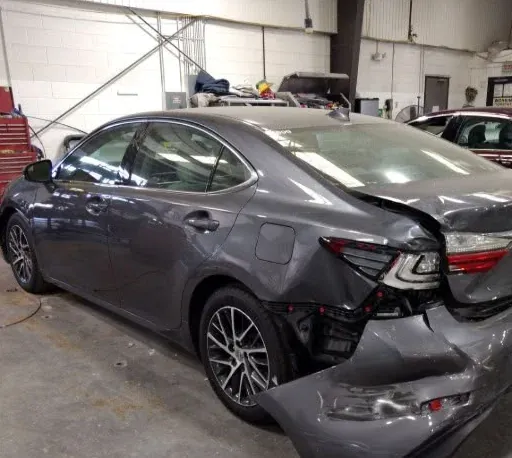
Structural damage does not necessarily feel like anything. A car with a moved rail can steer straight, brake normally, and give no sign at all until something else happens. What has changed is how much protection is left: a shell that has already folded once does not fold the same way twice, and the safety systems around it are tuned to a shape that no longer exists. The absence of a symptom is not the absence of damage.
There is a practical side as well. Geometry that sits out of specification puts uneven load through the suspension and scrubs tires, and every mile you add before the repair is a mile that misalignment works on the rest of the car. Getting it measured settles both questions at once, and a reading that finds nothing is a good outcome rather than a wasted trip. Measuring early is simply the cheaper version of this conversation.
Half an hour south, and worth the reason
US 169 carries Minnetonka traffic south through Eden Prairie, over the Minnesota River, and onto Highway 13 — roughly twenty-three to thirty minutes from Ridgedale, Shady Oak Lake, or Minnetonka Mills. Closer shops exist, and for small work they make perfect sense. Rush hour through Eden Prairie is the variable; outside of it the trip sits near the low end of that range, and the river crossing marks the halfway point.
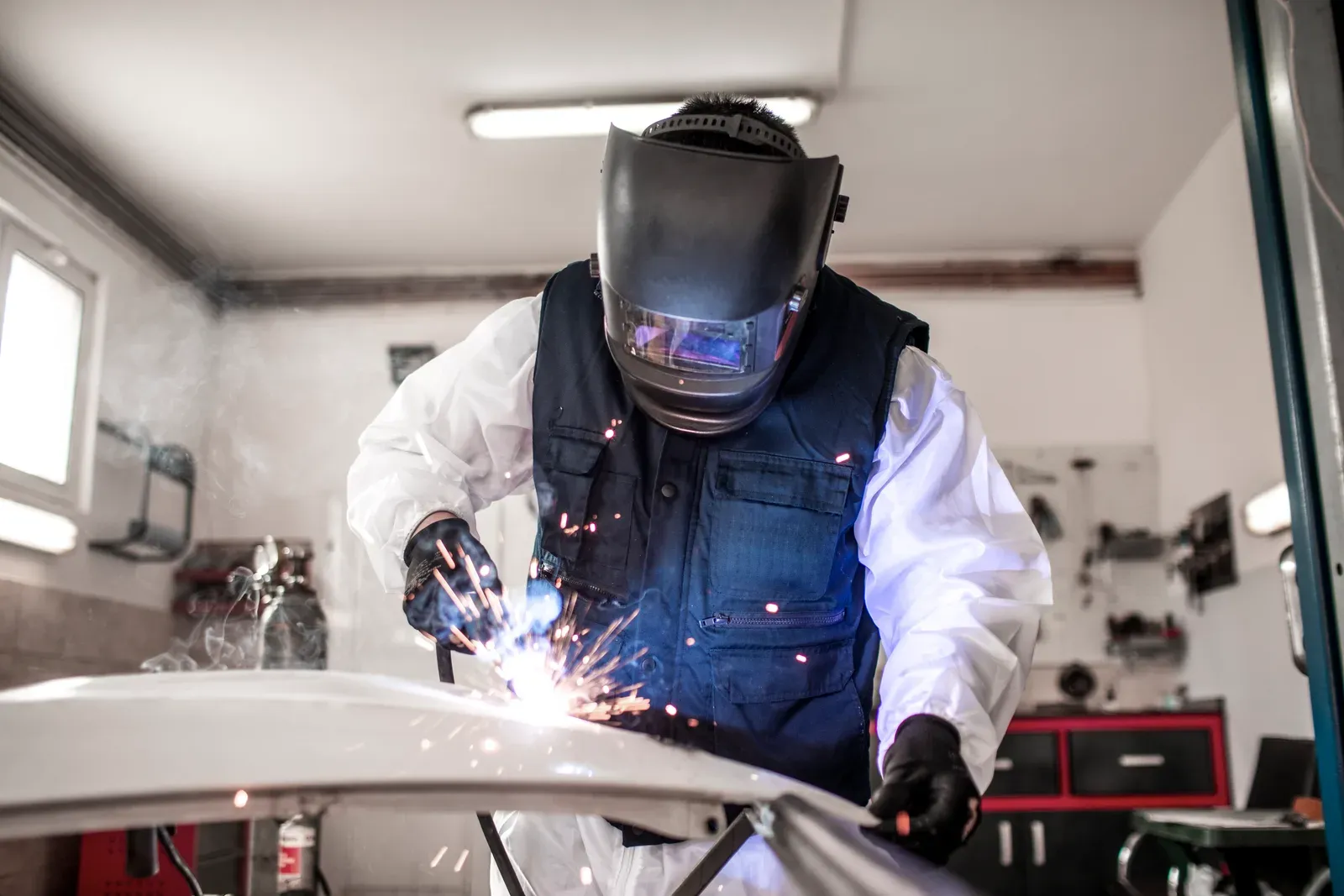
Structural repair is where the difference shows. The frame machine is on our own floor, the owner writes the estimate himself, every insurance company is accepted, and the refinish work over the repaired structure carries a lifetime warranty. That combination is what has kept all 110-plus Google reviews at five stars since the shop opened in 2010. None of it is something a shop can decide to have after the fact, which is worth checking before you hand the keys to anyone.