Repair or total loss is a number, and numbers can be checked
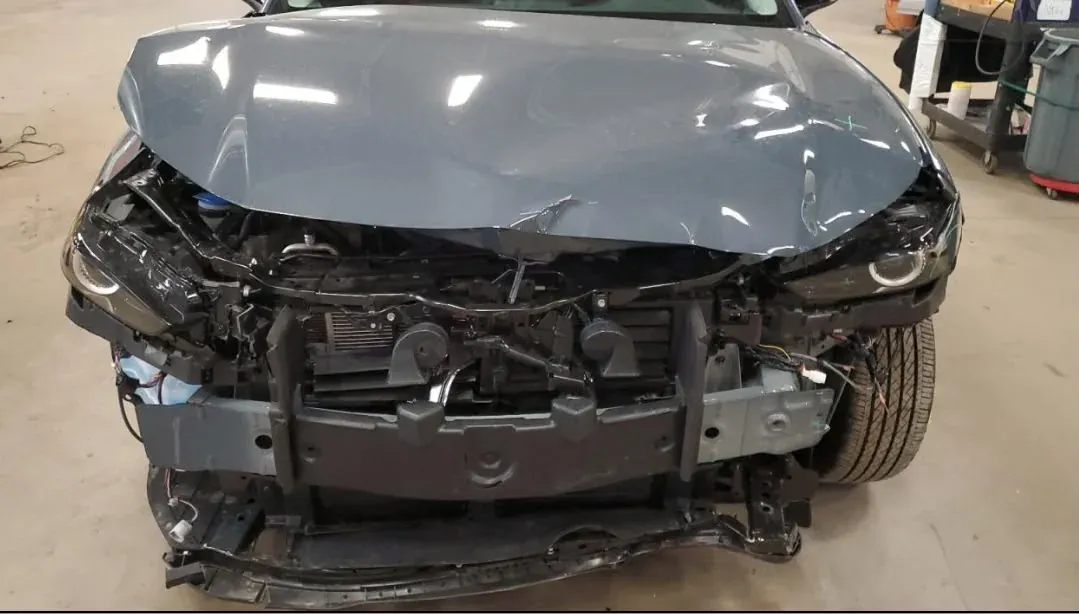
The phrase people dread is that the frame is bent, as though that settled anything. The great majority of bent structure can be pulled back to where the factory put it. What decides a vehicle’s fate is arithmetic: the cost of the repair set against the value of the car, run by your insurance company. Bent structure raises the first figure, which is why the two get confused with each other. Sheet metal is replaceable and priced accordingly; structure is where an estimate starts getting serious.
The way to keep that arithmetic honest is to build it from measurements rather than impressions. When the estimate comes from documented control-point readings, the repair cost reflects the actual damage — not an inflated guess and not an optimistic photo estimate that unravels three supplements later. Lakeville customers see the same numbers the insurance company sees, whichever way the decision lands. Nobody benefits from finding out in week three that the first figure was fiction.
Documented before, documented after
Structural measurement is not a single check at the end of the job. The vehicle is anchored and read before anything is pulled, producing a record of how far each point sits from the factory dimension and in which direction it moved. That record is the blueprint the repair follows and the evidence behind every supplement we file on your behalf. It happens before a single panel is ordered, because ordering parts for damage nobody has confirmed is how repairs go sideways.
After the pulls, the sectioning, and the welding, the same points get read again. The second set is what proves the structure came back where the manufacturer put it, and it is the part that belongs in your glovebox. Any shop can say a car was straightened. Very few hand over the numbers that show it happened, and that is also why a supplement filed from here rarely turns into an argument — the request arrives attached to a reading rather than an opinion.
Twenty minutes north, past shops that will not do this
From Lake Marion, Antlers Park, or the newer neighborhoods off Dodd Boulevard, the route is Interstate 35 north to County Road 42 and west into Savage — roughly twenty minutes depending on how the 42 lights are behaving. Kenrick Avenue up to Highway 13 is the quieter alternative when the interstate is not cooperating. Either way it is a single trip; nothing about a structural estimate requires you to come back twice before the work starts.
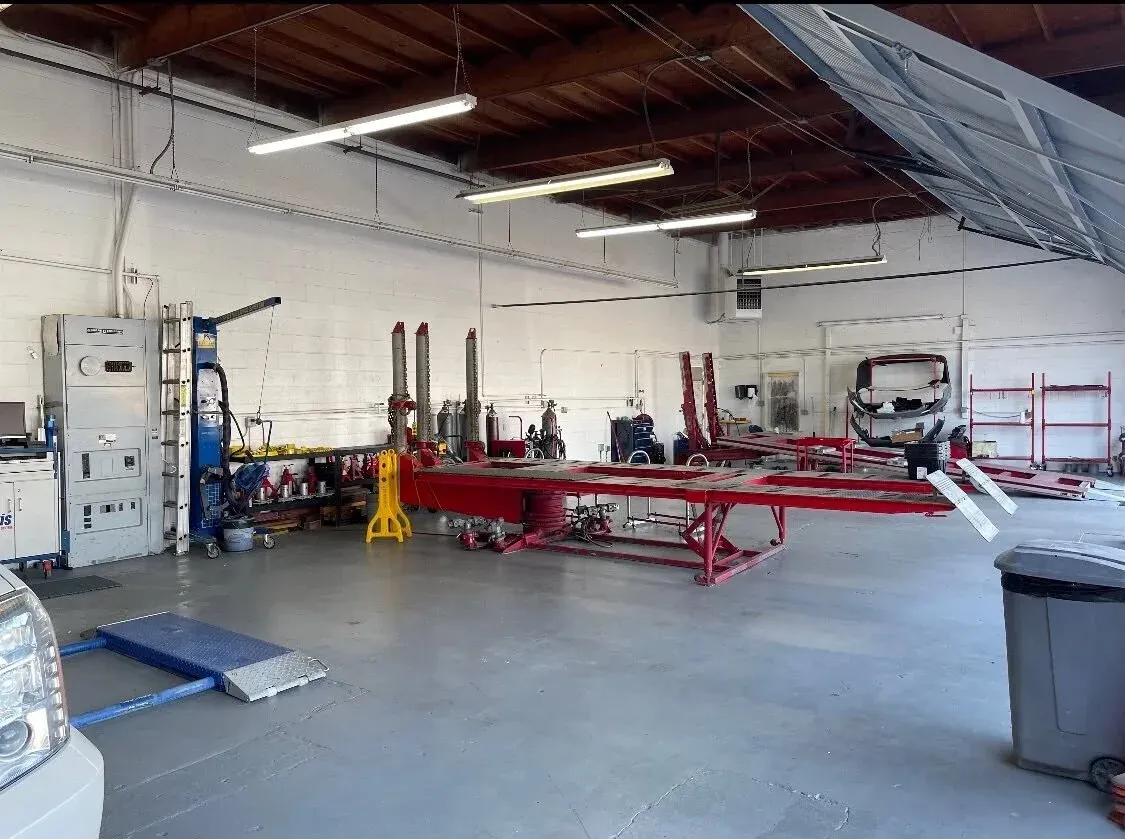
Lakeville has grown faster than its repair options, and structural work is exactly where that gap shows. Plenty of shops write estimates; fewer have a frame machine on the floor and hand over measurements at the end. That is the reason drivers make a twenty-minute trip past closer doors, and the reason the Google rating here has stayed at 5.0 across 110-plus reviews. Structural equipment is not something every shop with a paint booth actually has.