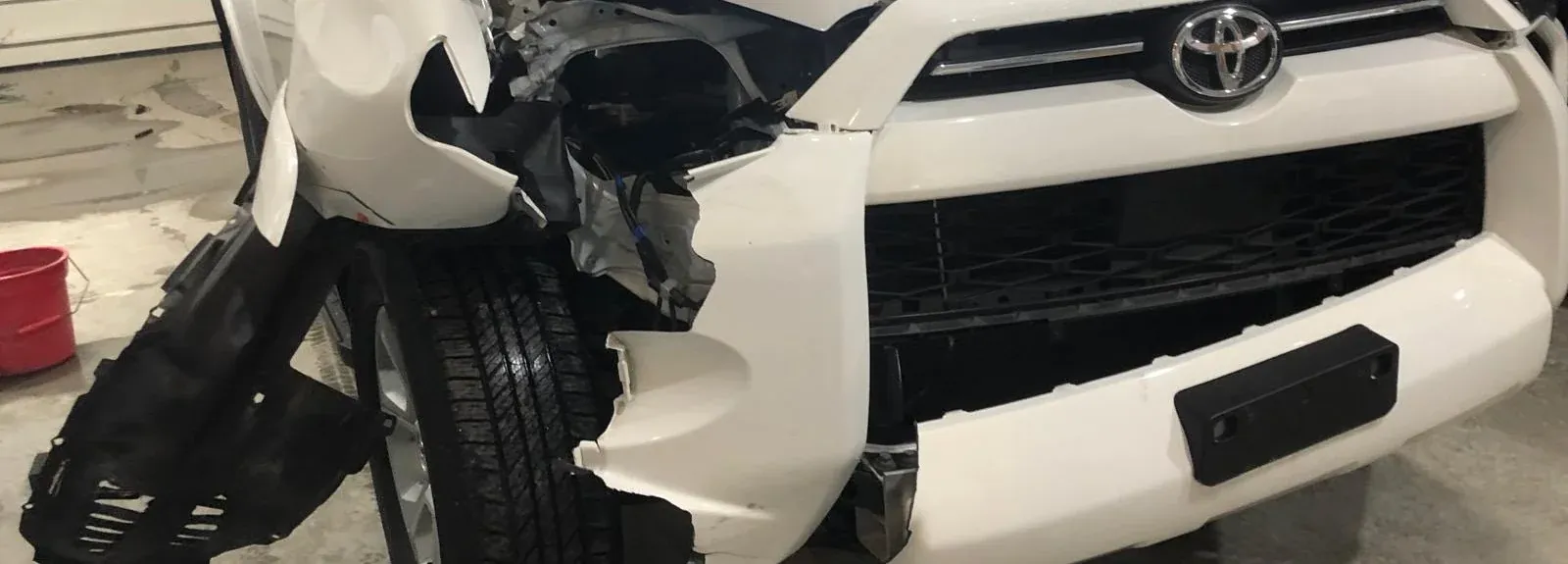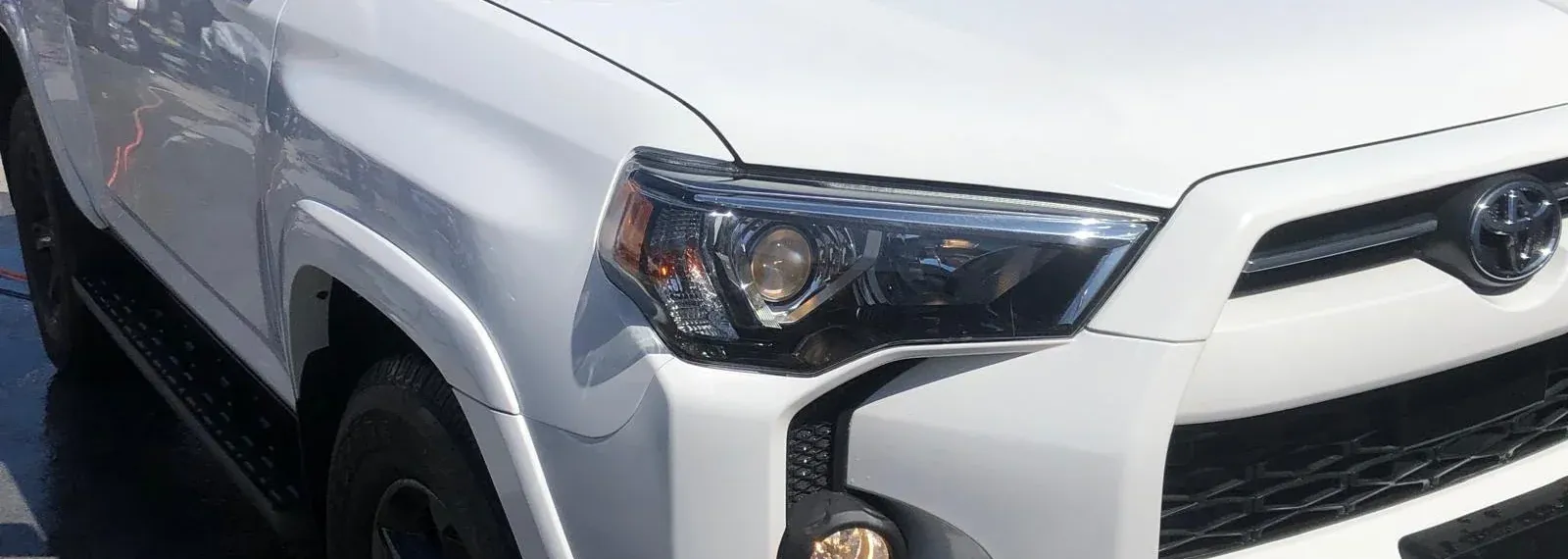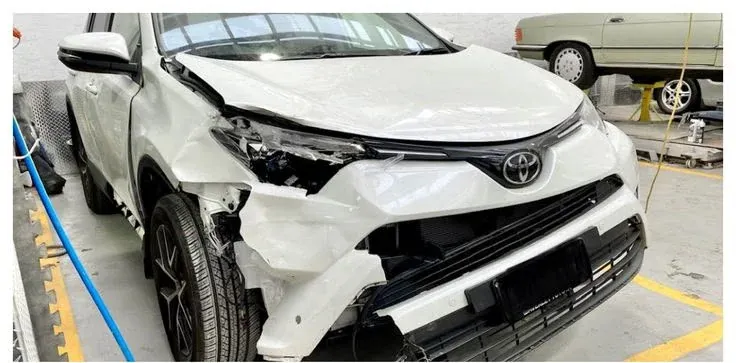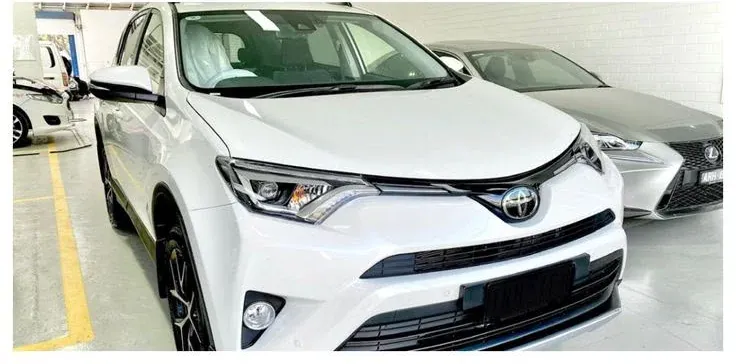
The 169 valley is fast, and fast crashes bend structure
The stretch of US 169 between Jordan and Shakopee moves at speed, and Highway 282 and the county roads around Sand Creek are no slower. Crashes there carry enough energy to do structural work on a vehicle whether or not the outside shows it, and deer come out of the treeline along the same roads at dusk from late summer through the fall. The valley stretch has long sightlines and short shoulders, a combination that tends to produce hard impacts rather than glancing ones.
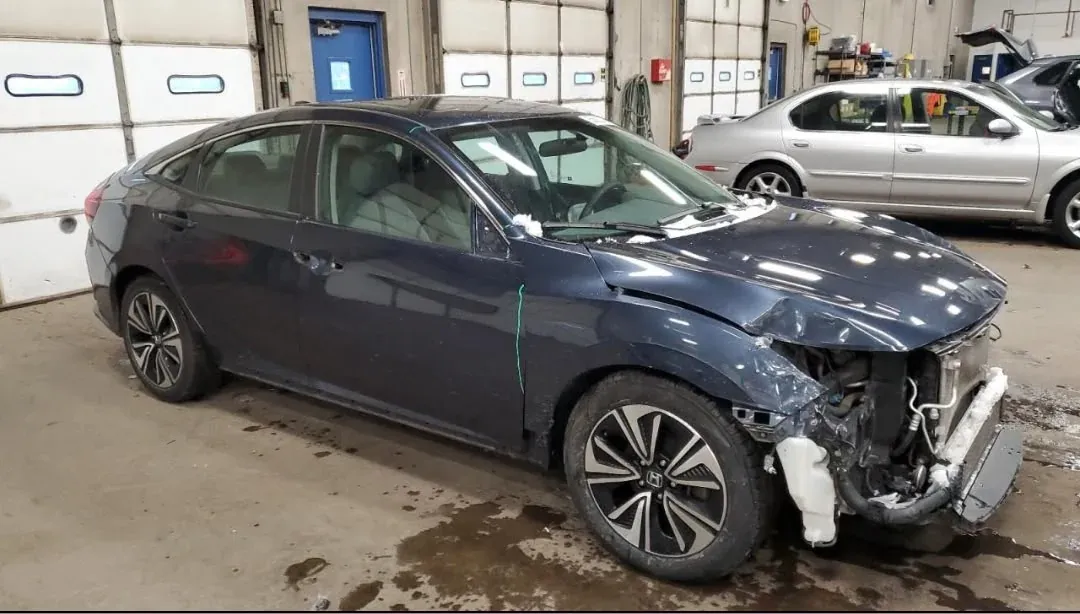
A deer strike at highway speed pushes the bumper reinforcement into the crash boxes and loads the rails behind them. A slide-off into a ditch in January can twist a body through a corner rather than crush it at the front. Both leave cars that drive home under their own power. Neither can be cleared without putting the vehicle on a rack and measuring it. Both also leave owners convinced nothing serious happened, right up until somebody does.
Trucks and cars come apart differently
A good share of what comes in from Jordan is body-on-frame — pickups and older SUVs with a ladder frame under a bolted body. Those can take a hit that bends the frame while the cab and box still line up well enough to look fine, and the symptoms show up as a rear end that tracks off to one side or a steering wheel that never sits centered again. The frame under a pickup is a different animal from the shell under a sedan, and it fails differently too.
Unibody cars carry their structure in the shell, so damage travels through the whole body instead of staying in one rail. The anchoring, the pulling angles, and the manufacturer’s repair procedures are different for each. Which one you have decides how the vehicle gets set up on the rack, and that is settled before anything is attached to it. Setting a truck up as though it were a car, or the reverse, produces a repair that measures well and drives badly.
Send photos before you make the drive
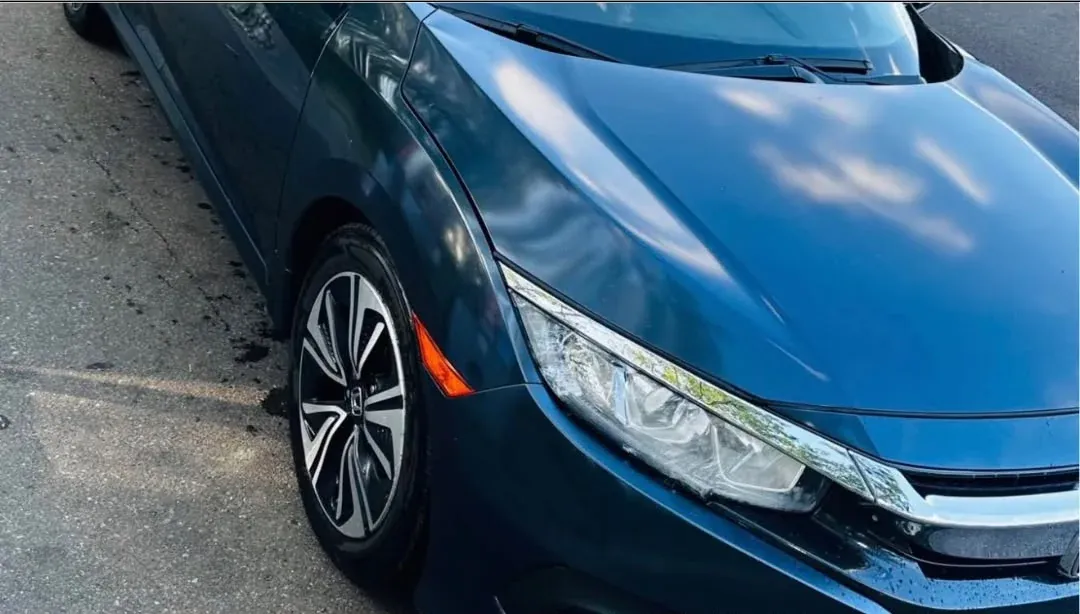
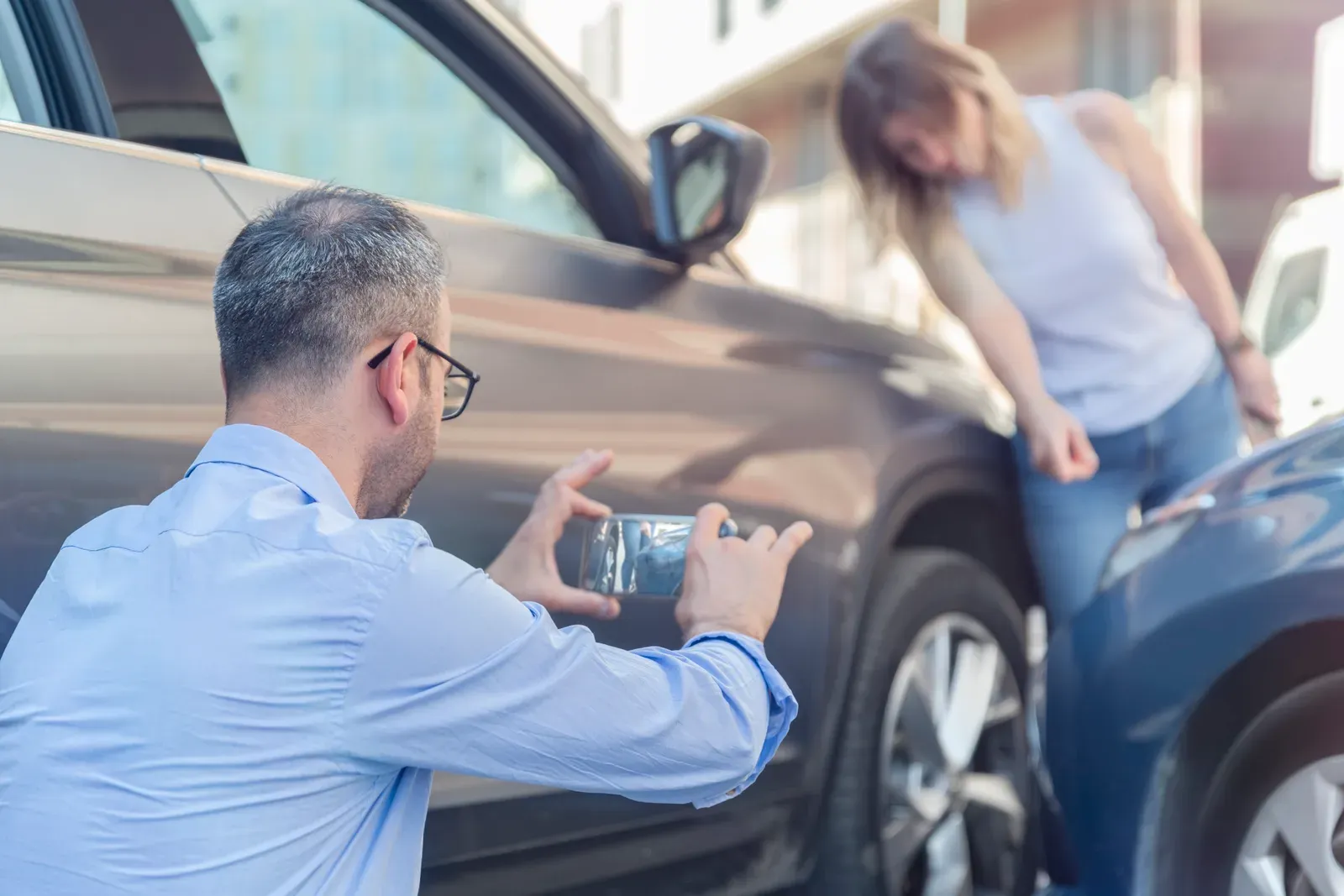
Twenty-five minutes each way is worth planning around. Photograph the damage from the corner, close up, and wide, send them in, and a written estimate comes back within 24 hours — usually before you have decided whether to make the trip at all. Three angles are enough for a useful first read, and if more are needed we will ask rather than guess. None of it commits you to anything; it just turns the drive into a decision instead of a gamble.
That head start also opens the claim. Every insurance company is accepted here, and we deal with the adjuster directly instead of handing you a stack of forms and a phone number. If the vehicle is not safe for the 169 run, we arrange the tow from Jordan instead, and the measuring starts the day it lands on our floor. You are not chasing anybody for a callback in the meantime.