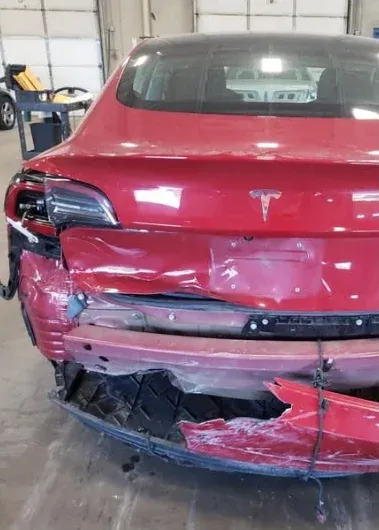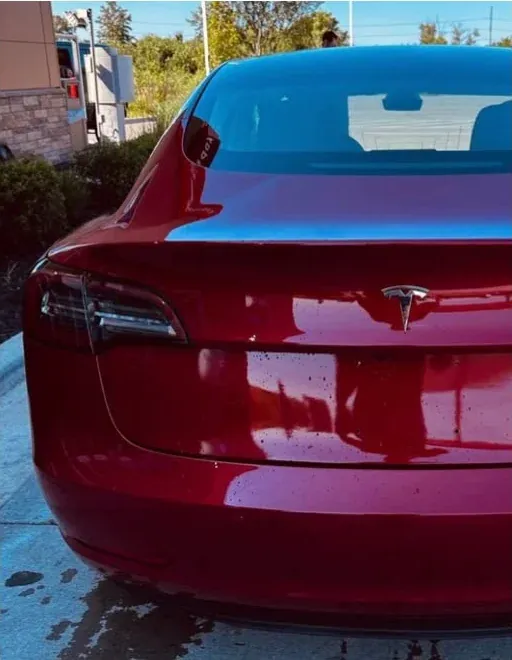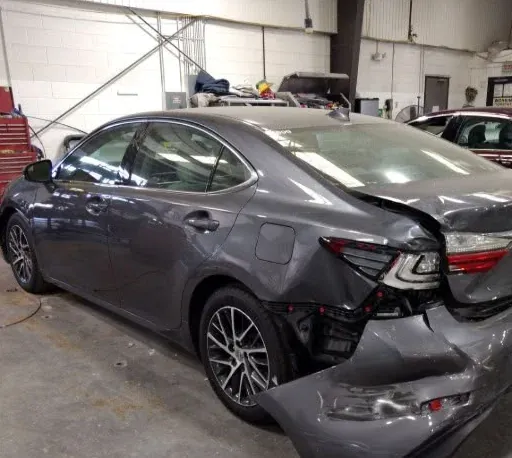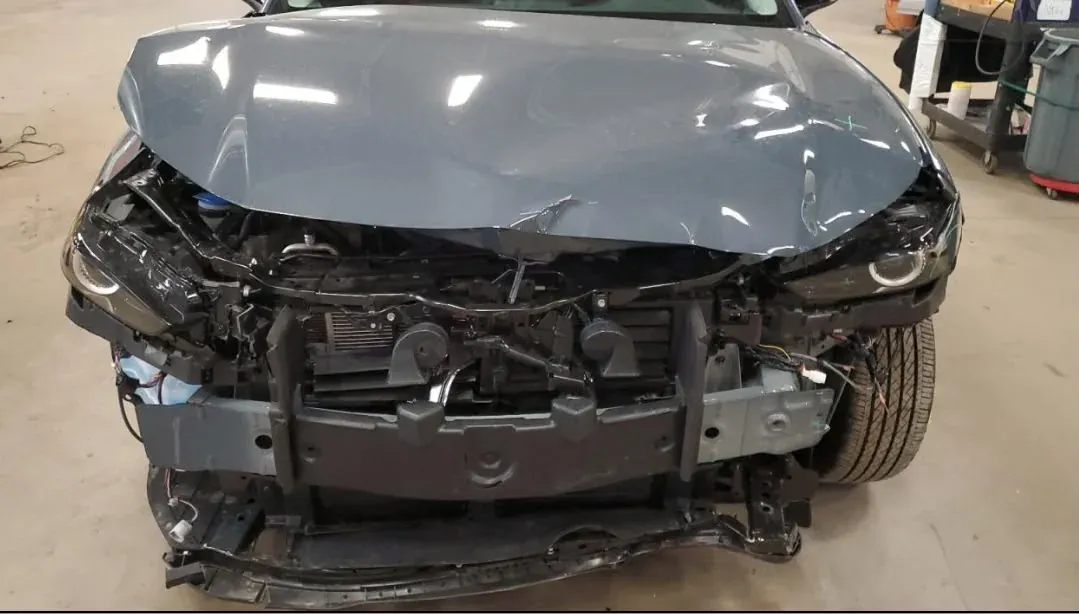
Documentation matters when the car is not really yours
Eden Prairie runs on company cars, leases, and vehicles that get inspected by somebody else at the end of the term. A structural repair on one of those raises an obvious question: can you prove it was done properly. A verbal assurance from a body shop is worth very little at a lease return or a resale inspection two years later. Fleet managers ask the question directly; private buyers ask it through an inspection report.
Paper is worth a great deal. Measurements taken before the repair, measurements taken after, photographs of the structure while the vehicle was apart, and the manufacturer procedure the welds followed all go into the file. That file is the answer to the question, and it is why drivers who could stop closer to home come down 169 instead. It costs nothing extra to produce and it is the only part of the repair that outlives the sale of the car.
What laser measuring actually does
The system reads a set of reference points on the underbody — suspension mounting locations, rail positions, cradle points — and compares each against the dimensions the manufacturer published for that model. The output is not an opinion about whether the car looks straight. It is a list of points with the direction and distance each one has moved. Nothing in that output depends on how the car looks from ten feet away, which is the entire point of using it.
That list drives everything downstream. It tells us where to anchor, which way to pull, and when to stop. It tells the insurance company why the repair costs what it costs. And the second reading, taken once the work is finished, tells you the structure is back where it started. Together the two sets are the closest thing to proof this trade offers, and they turn a disputed supplement into a routine one.
- Underbody control points read against published factory dimensions
- Direction and distance of movement recorded for every point
- Anchor and pull plan built from the reading rather than from appearance
- Second reading after the repair, filed with your paperwork
Unibody cars carry their structure in the shell
Nearly everything in an Eden Prairie parking ramp is unibody, which means there is no separate frame underneath — the shell is the frame. Rails, rockers, pillars, and floor sections are welded into one structure, and load travels through all of it. Damage at a front corner can show up as a door that no longer closes cleanly at the other end of the car. One shell, many jobs, all of them sharing the same load path.
That interconnection is why a partial fix does not hold. Correcting one visibly bent rail while leaving the rest of the shell where the impact pushed it leaves stress in the body and geometry that never quite settles. Measuring the whole underbody, not only the damaged end, is what keeps a repair from producing new problems six months down the road. Reading the whole car costs one setup; discovering the rest of it later costs the repair twice.