The river run east, and what to do first
From Hazeltine, the downtown brick district, or the neighborhoods along the bluff, Highway 41 drops to US 169 and follows the river east into Shakopee, then Highway 101 across to Highway 13. Twenty-five minutes, give or take how the Chaska lights treat you on the way out of town. Most of the trip runs along the river, which is a pleasant drive in a car that is fit for it and an unnecessary risk in one that is not.
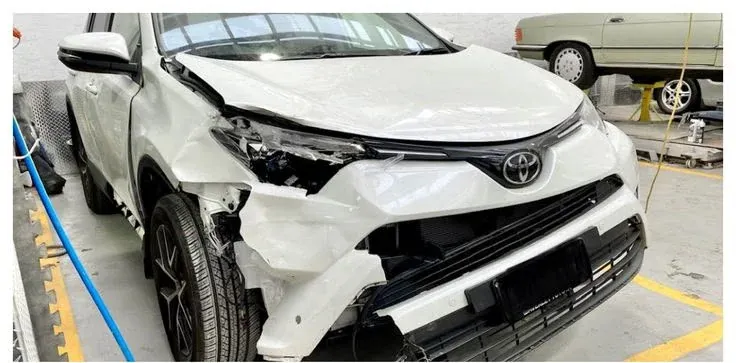
Before you make that drive, send photos. A written estimate comes back within 24 hours, which means parts can be identified and the claim opened before the car ever moves. If the collision was hard enough that structure is in question, call instead and we will arrange the tow — the trip east is not the moment to discover how the car handles now. That way the drive happens once, with a plan already in place when you get here.
Driving a car with bent structure is a real risk
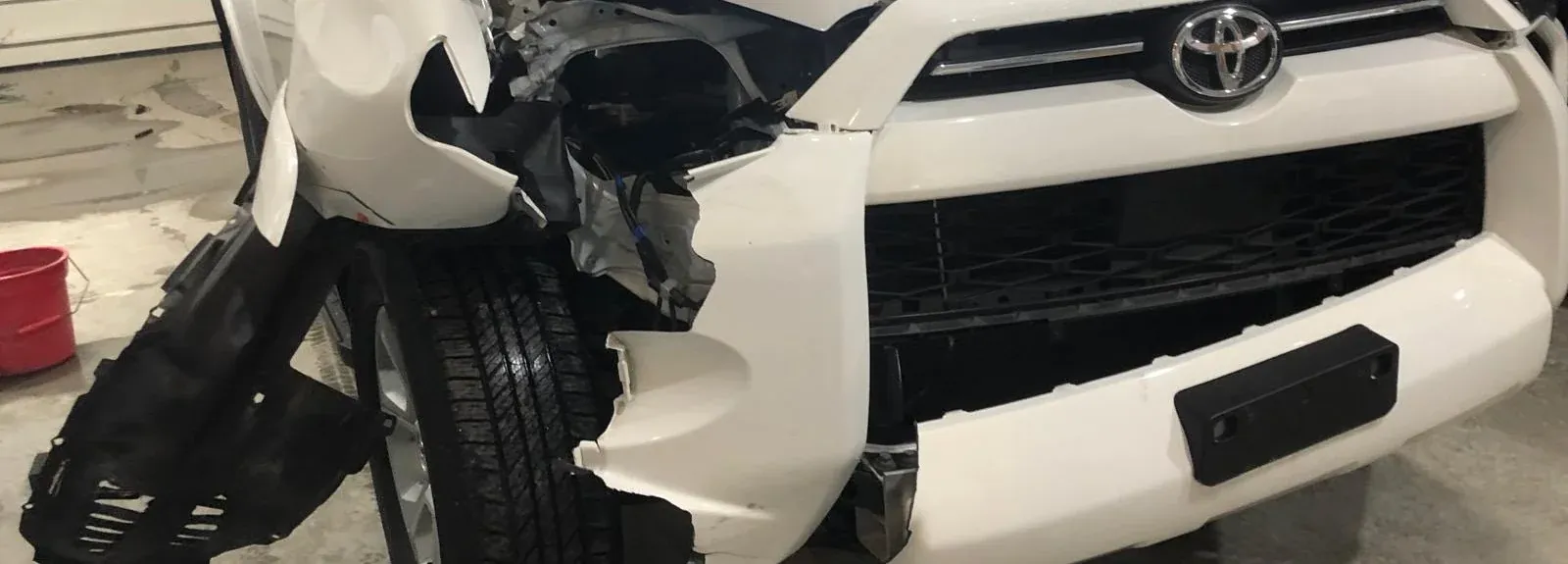
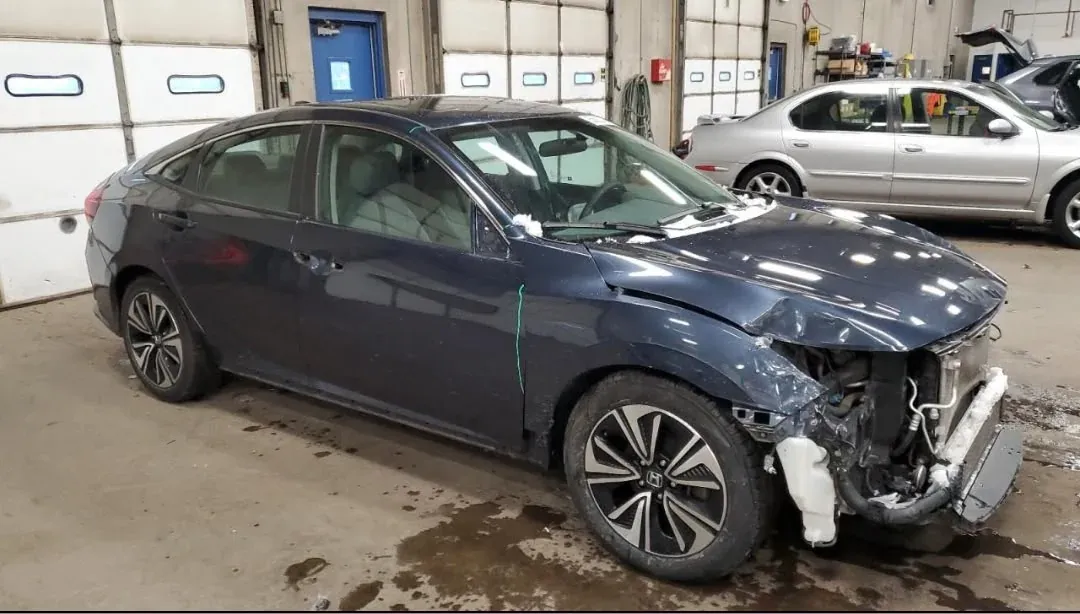
A vehicle with structural damage often drives well enough to fool its owner. It steers, it stops, it holds a lane. What has changed is what happens next time: the rails no longer collapse in the sequence they were designed for, the cabin no longer resists the way it was tested to, and the sensors deciding when to fire the airbags are reading a car that is not the shape they expect.
None of that is visible from the driver’s seat, and none of it announces itself until the moment it matters. That is the whole argument for measuring after a hard impact rather than waiting to see whether anything starts to feel wrong. The measurement either clears the car or produces a repair plan, and both answers beat the assumption you would otherwise be driving on. Chaska drivers who commute the river road daily have the most to gain from knowing early.
Structure first, then suspension, then the road test
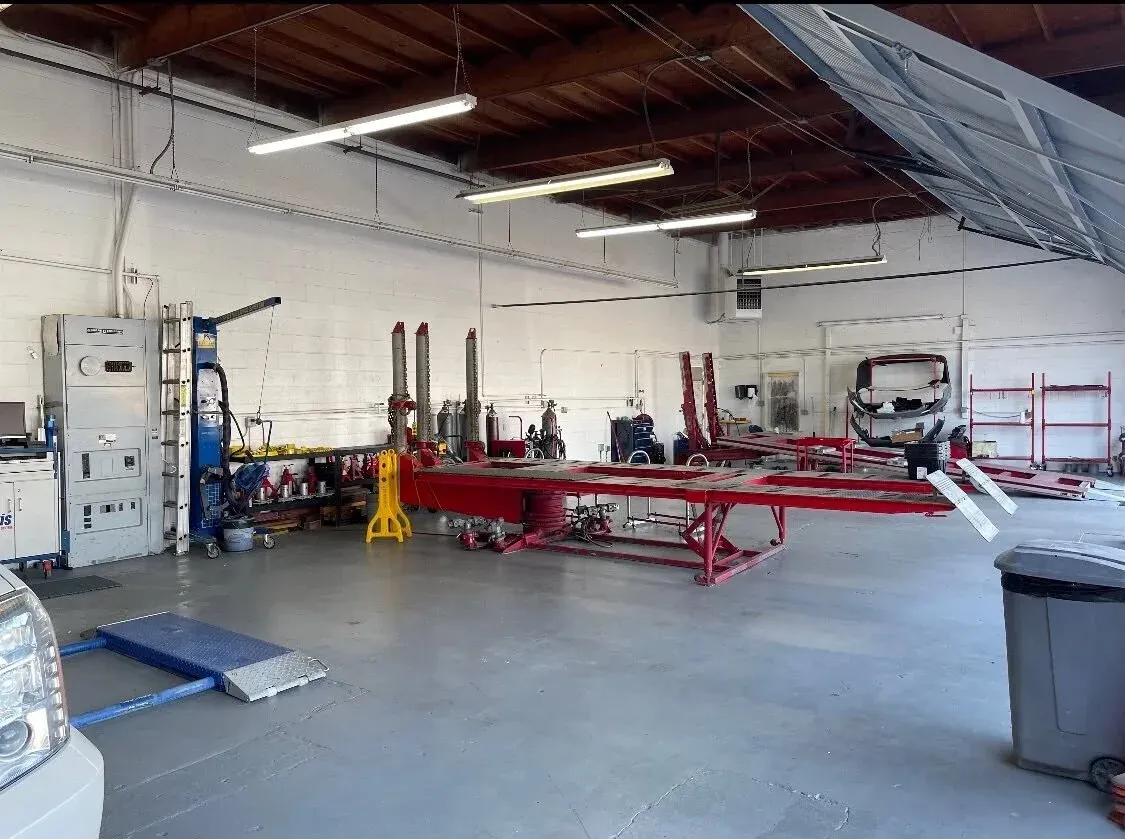
Once the control points read inside the manufacturer’s specification, the work moves outward. Suspension components and their mounting points get inspected, because anything hard enough to move structure has usually loaded a bushing or a knuckle on its way through. Alignment is set afterward, against the corrected geometry rather than the damaged one. Bushings and mounting points hide their damage well, so each gets looked at rather than assumed to be fine because the body reads correctly.
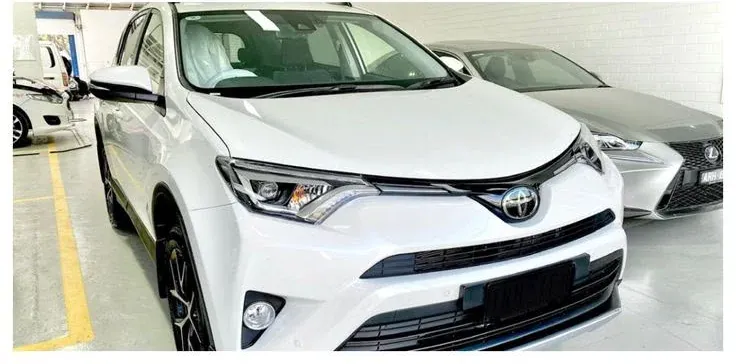
The last step is a road test, which is the only check that involves no instruments at all. A car that measures right and aligns right should track straight, sit level, and close its doors the way it did before the crash. If it does not, it goes back on the rack rather than out the door with an explanation attached. It is the last thing that happens and the easiest one to skip, which is exactly why it is written into the process here.
- Structure returned to factory specification and re-measured
- Suspension components and mounting points inspected for impact damage
- Alignment set against the corrected geometry, not the damaged one
- Road test before the keys go back to you