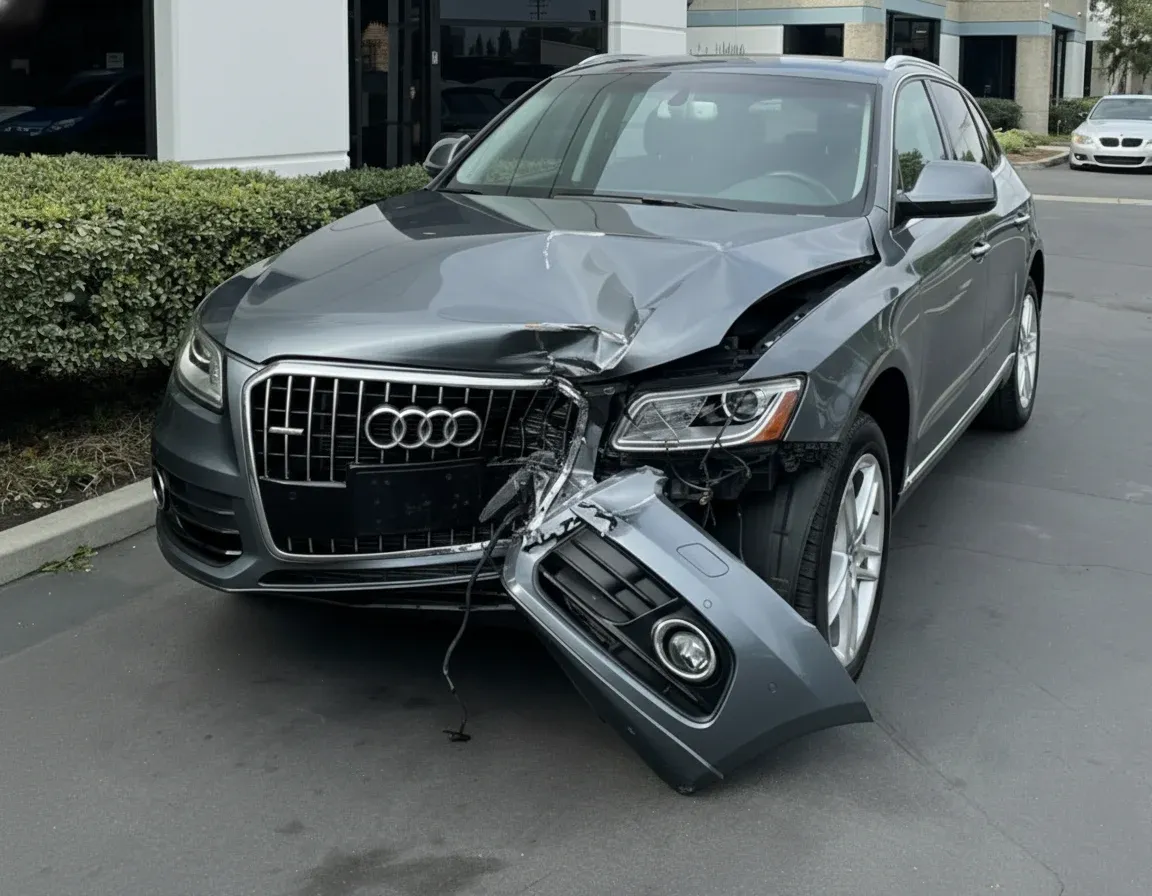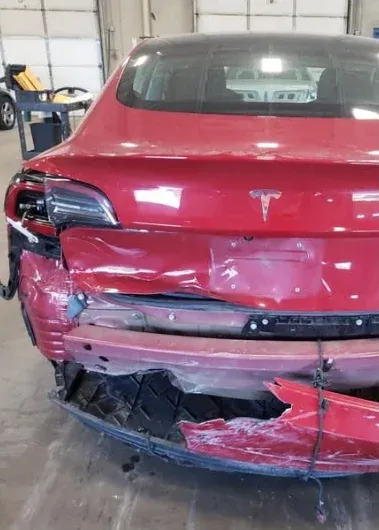
Crumple zones are engineering, and they only work once
The front of a modern car is designed to destroy itself in a controlled order. Crash boxes go first, rails fold along engineered creases, and the cabin structure behind them resists rather than collapses. Every part of that sequence is tested and timed, and the deceleration it produces is what the airbag sensors are calibrated to read. Nothing about that behavior is left to chance at the factory, and nothing about restoring it should be left to chance in a body shop.
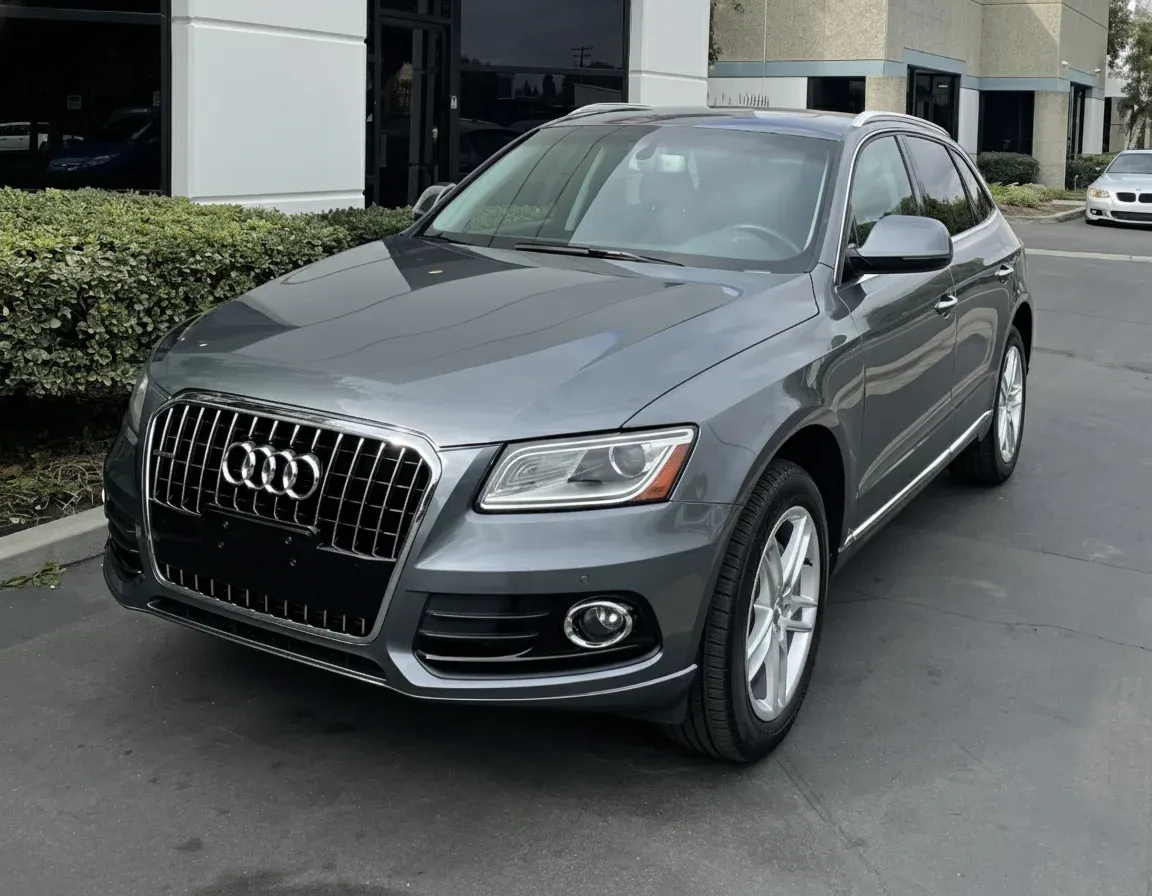
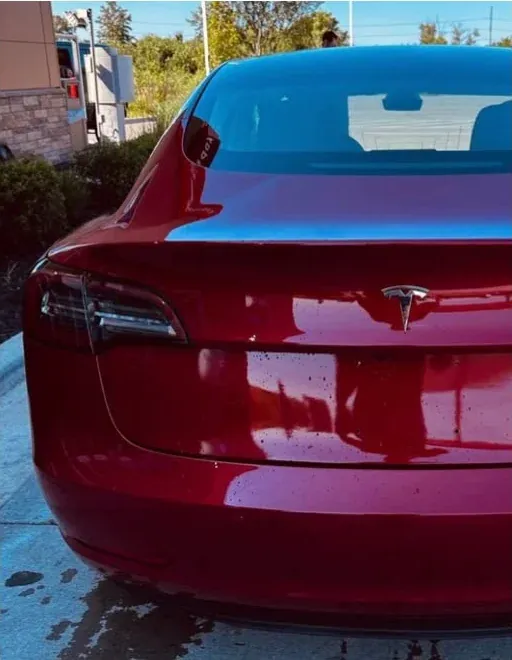
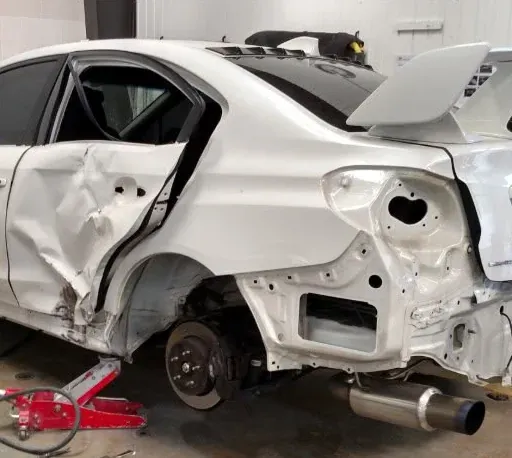
Once the structure has absorbed an impact, it has spent what it was built to spend. Repairing it to factory specification is what restores the sequence. Leaving it deformed leaves the car carrying protection it no longer actually has — the shape is wrong, the fold path is wrong, and the sensors are reading a vehicle that no longer matches their assumptions. Sheet metal that looks acceptable afterward is not evidence that the structure underneath came through it.
Highway 101 south, past Shakopee
From Lake Ann, the Arboretum side of town, or the Paisley Park neighborhood, Highway 101 runs south through Shakopee and connects to Highway 13 — roughly twenty-five minutes to the shop. It is not the shortest drive on our list, and Chanhassen has closer options for a scuffed bumper cover. Highway 101 through downtown Shakopee is the slow part; south of the river it opens up and the last leg on Highway 13 goes quickly.
Structural work is a different decision. What is worth driving for is a frame machine in the same building as the estimator, a shop where the owner is accountable for the result, and paperwork showing the car measured correctly when it left. The AutoMotorPlex crowd already applies that standard to finish work; the underside deserves the same treatment. Chanhassen customers tend to arrive for the second reason more often than the first, and they arrive knowing what they want to see at the end.
The numbers come home with the car
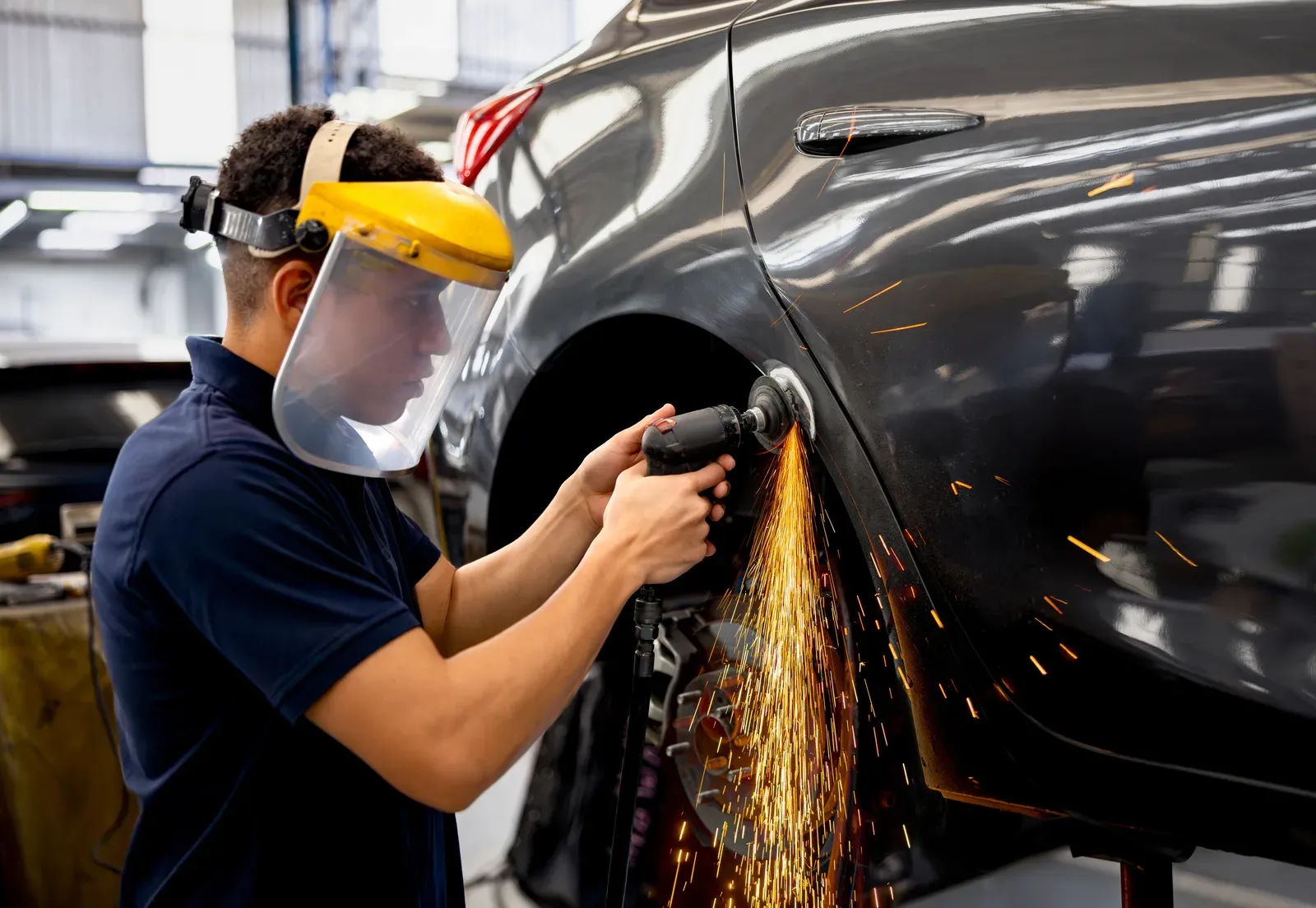
Structural repair is the one part of collision work that is impossible to inspect afterward. The evidence is welded, sealed, and painted over by the time you see the vehicle again. That asymmetry is exactly why measurement records matter more here than anywhere else in the shop. You can inspect paint, panel gaps, and door alignment yourself. You cannot inspect a weld under a sealed rocker or a rail buried behind a wheel well.
Each vehicle is read against its factory dimensions before the repair and again after it, and both sets go into your file with the teardown photographs. If a rail section had to be replaced, the manufacturer’s procedure that governed the welds is part of the same record. Nothing about that requires you to take anyone’s word for anything. Ask for it and it is already printed; there is nothing to request after the fact.