The damage a photo estimate cannot reach
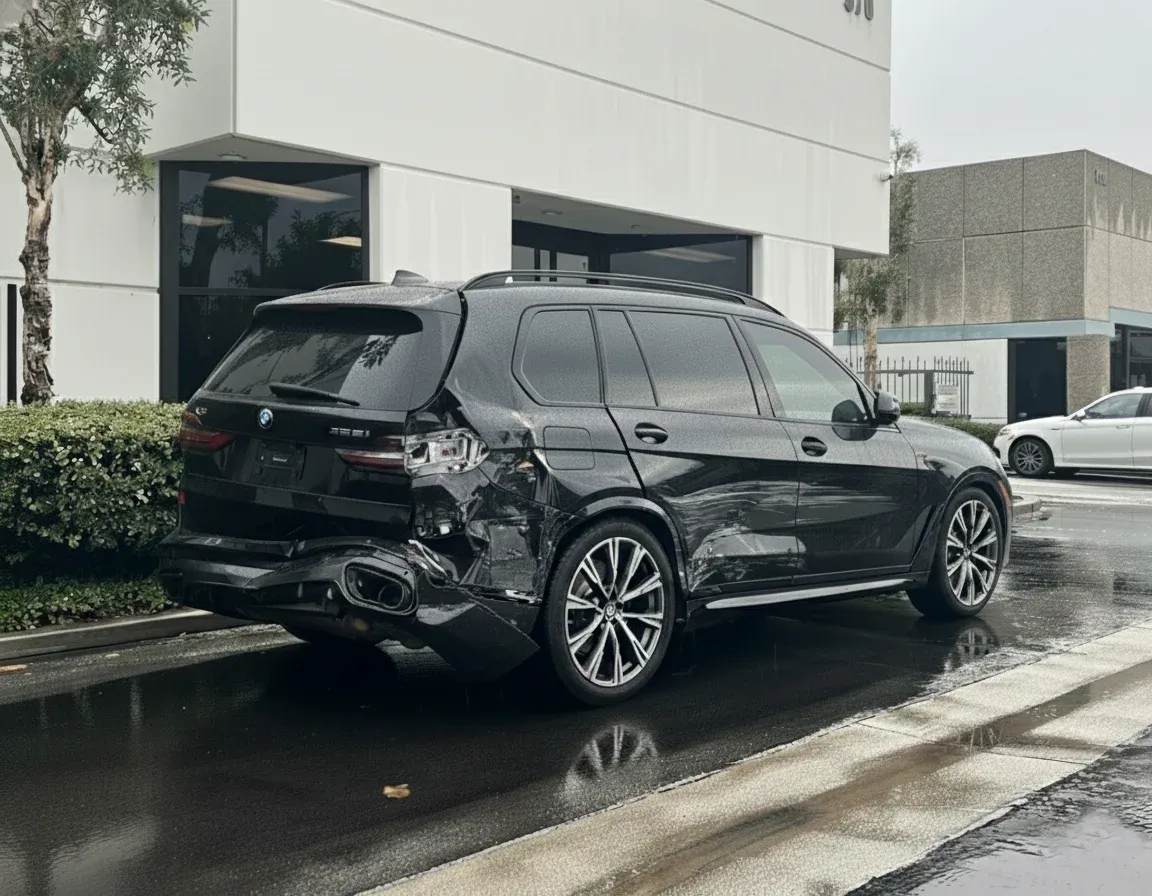
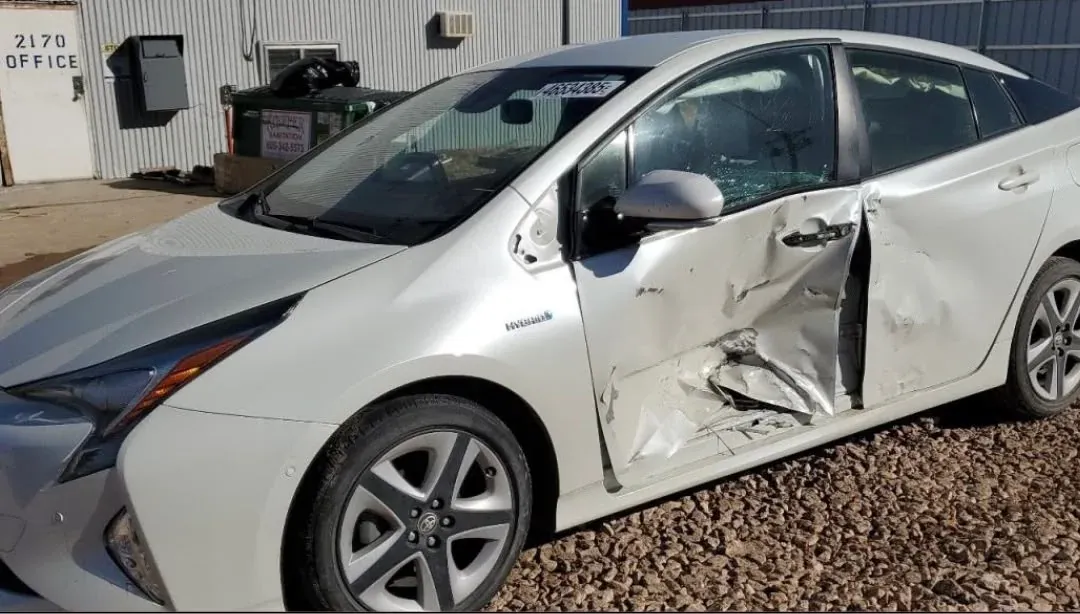
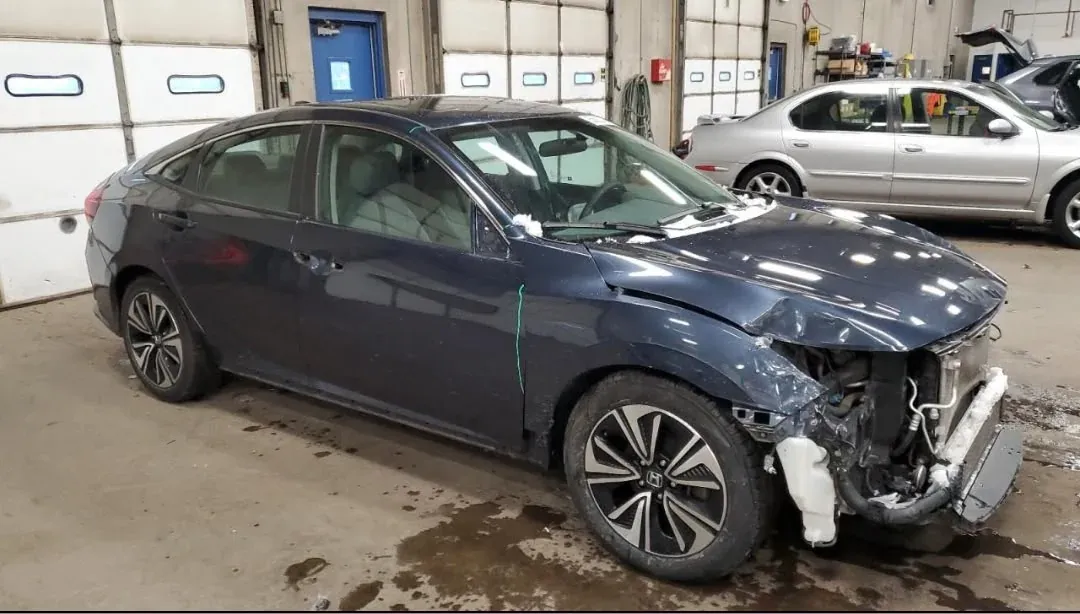
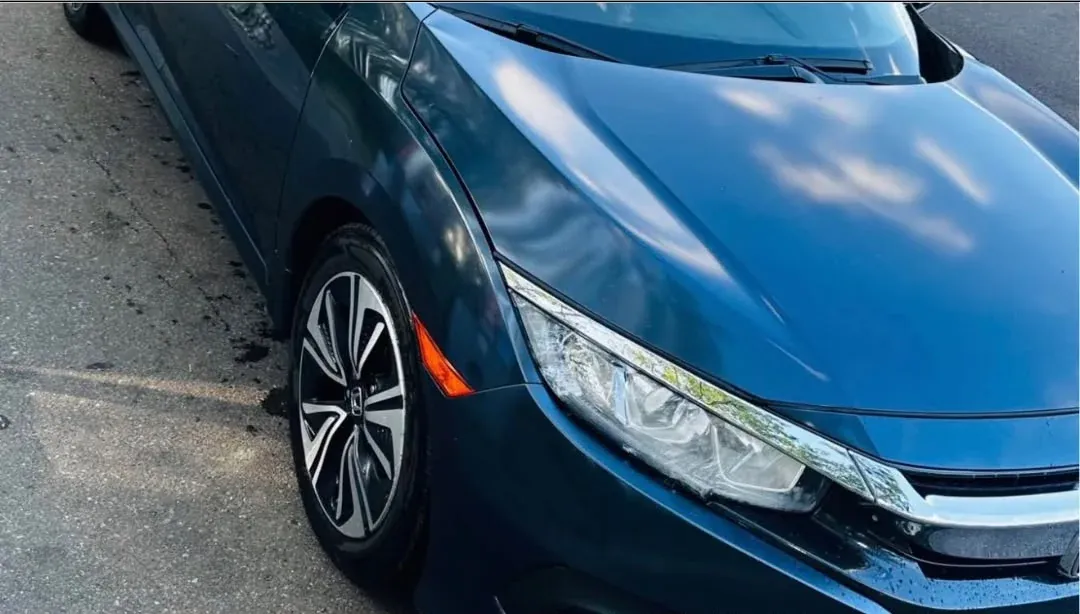
Most claims now start with pictures, and there is nothing wrong with that — ours come back within 24 hours. The limitation is physical. A camera sees the outside of a car, and structural damage lives underneath it: rails behind the bumper reinforcement, apron sections tucked under the fender, floor and rocker structure hidden by trim and carpet. Put a closed hood in the way and the camera cannot even reach the parts that decide whether a car is repairable.
That is how an estimate written from a phone can be honest and still be wrong by a wide margin. The panels really do cost what the estimate says they cost. The bent rail nobody photographed does not appear at all. Teardown and measurement close that gap, and the supplement that follows is aimed at your insurance company rather than at you. It is not dishonesty on anyone’s part; it is the limit of what a photograph can carry.
Across the Ferry Bridge, away from the 494 cluster
Bloomington has more corporate collision locations than any city in the metro, most of them ringing Interstate 494. What it has less of is a small shop with a perfect record and structural equipment on its own floor. From Hyland Lake, Normandale, or Bush Lake, US 169 south across the Minnesota River is a fifteen-minute run. Interstate access is why those brands cluster where they do, and it has very little to do with how a rail gets straightened.
The difference in scale is the point. A structural repair here is written by the owner, measured by the people doing the pulling, and inspected by the same person who handed you the estimate. Riaz has run the shop since 2010, and the 5.0 rating across 110-plus Google reviews has held up under that arrangement rather than in spite of it. Nothing gets handed off between shifts, because there are no shifts to hand it between.
Controlled pulls, one measured step at a time
Once the vehicle is anchored, correction happens along the path the impact traveled — the reverse of the way the damage went in. The measuring system watches the control points move while the pull is under load, then the load comes off and the reading is taken again. Metal has memory and it springs back; the measurement after release is the one that counts. Steel that has been persuaded rather than genuinely moved will drift right back to where it was.
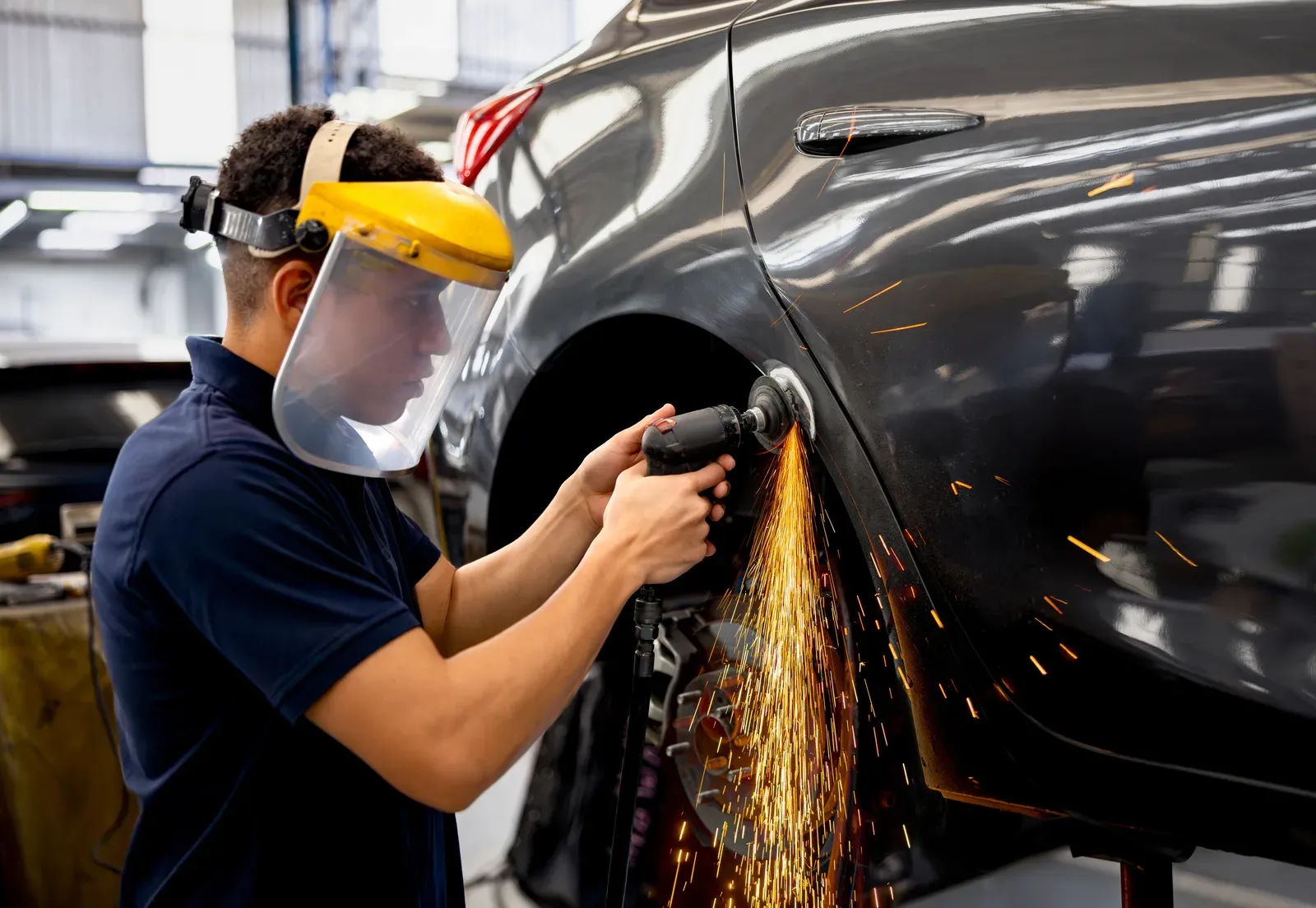
That cycle repeats until the structure sits inside the manufacturer’s specification rather than near it. Sections too far gone to pull get replaced and welded to the published procedure instead. It is slower than hauling on something until it looks right, and it is the difference between a car that measures correct and one that merely looks correct in the parking lot. A parking lot is not a measuring device, and neither is a practiced eye.
- Anchor points set for the vehicle’s specific construction
- Correction pulled along the original impact path rather than against it
- Each pull released and re-measured before the next one begins
- Final reading confirming factory specification, documented for your file