
What an estimate written from the outside misses
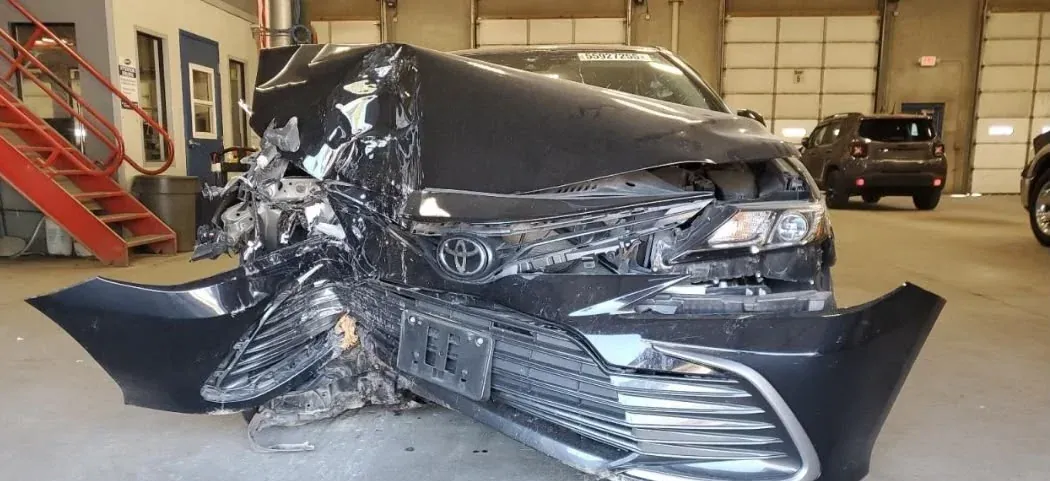
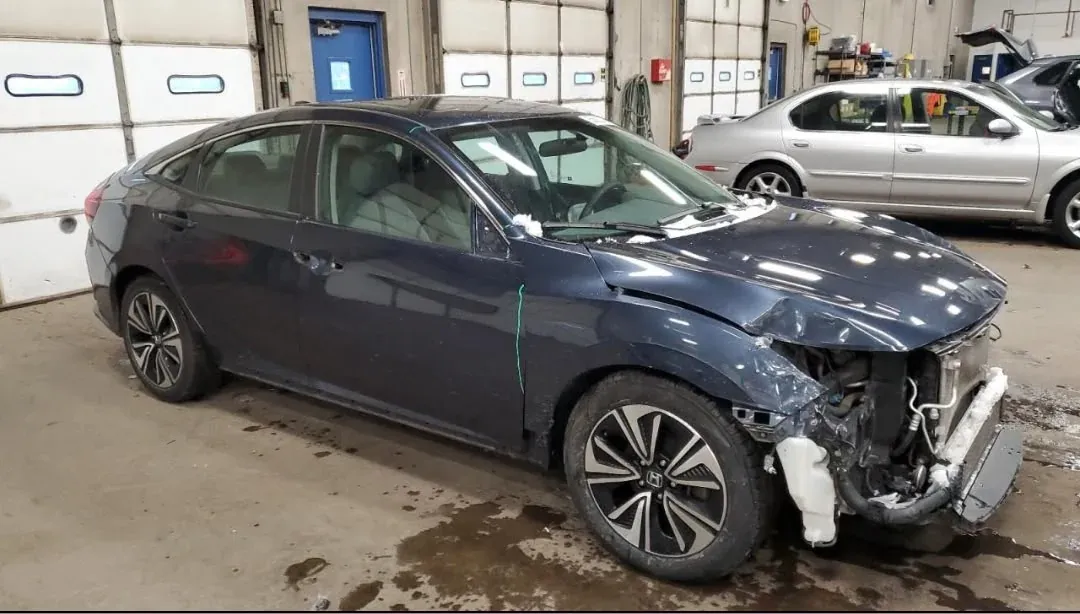
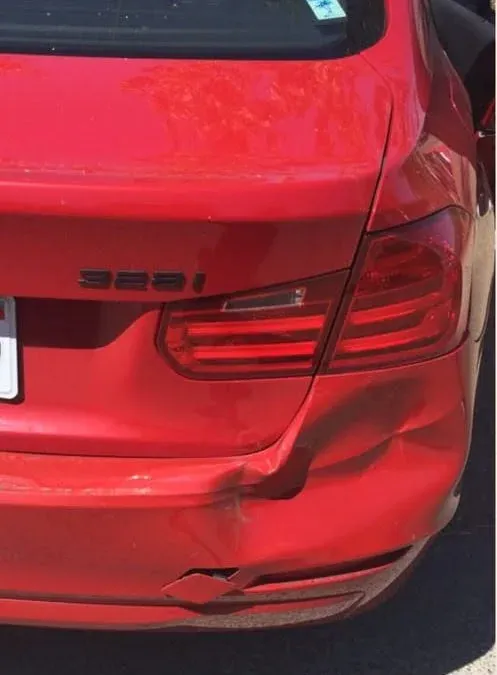
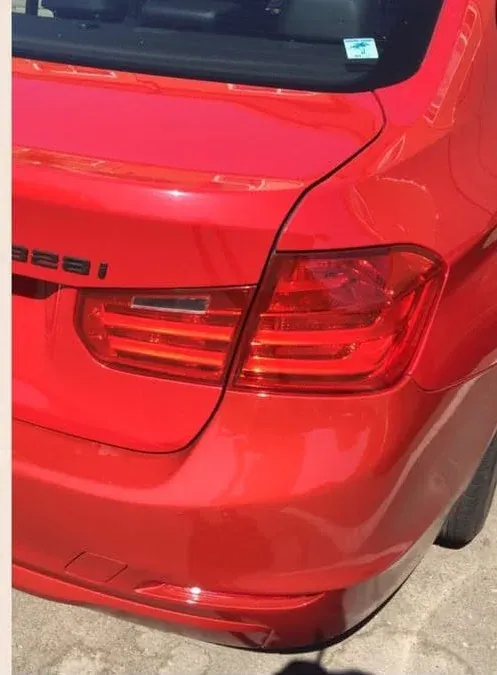
A bumper cover is designed to spring back. Behind it sit an energy absorber, a reinforcement bar, brackets, a radiator support, sensors, and wiring — none of which spring back, and none of which are visible until the cover is off. Estimates written from the outside routinely list a cover and a fender when the real job includes a bent reinforcement and two broken mounts. Nobody is being dishonest when that happens — they wrote down what the outside of the car showed them.
The cost of that gap is not only money. A repair written short stops halfway through while a supplement is approved, parts get ordered late, and rental days pile up while nothing happens to your car. Finding the same damage on day one means one approval, one parts order, and a schedule that actually holds. A car sitting in a bay waiting on a second authorization is not being repaired slowly — it is not being repaired at all.
What teardown looks like
Teardown is disassembly with a camera in hand. The damaged corner comes apart in the order it was assembled, and each piece is inspected as it comes off — mounting tabs, fasteners, absorbers, brackets, wiring connectors, and the panel edges behind them. Anything bent, cracked, or stressed is photographed where it sits, before it moves. A broken bracket held up in somebody’s hand proves nothing about where it came from; the same bracket photographed in place proves everything.
Those photos become the damage blueprint: a written list of every operation and part the repair genuinely needs, backed by images an adjuster can look at. It is the same document your insurance company works from, which is why supplements built on it tend to be approved rather than argued about. An adjuster reviewing a file from an office cannot see your car. What they can see is a photograph, a part number, and a labor operation, which is exactly what the blueprint hands them.
- Damaged area disassembled in factory order, never pried apart
- Every hidden component inspected and photographed in place
- Structural measurement taken when the impact reached the structure
- Line-item repair plan written from what is actually there
- Photos and plan sent to your insurance as one documented package
How this changes the conversation with your insurance
An insurance estimate is an opening position, not a verdict. When teardown shows the first write-up missed a reinforcement bar or a bracket, we file a supplement with the photographs attached and the adjuster reviews it. This is ordinary claims procedure, and it settles far more easily with evidence than with a phone call describing what somebody found. It also settles faster, because nothing has to be re-inspected before the parts can be ordered.
You are not in the middle of that. We open the claim, meet the adjuster at our shop, and handle approvals directly. You hear from us when something changes the number or the timeline — if a supplement moves your completion date, you learn it from a call rather than from waiting. All we ask in return is a quick answer when a decision is genuinely yours, because a parts order held for a day usually costs more than a day.