What gets checked before we call you
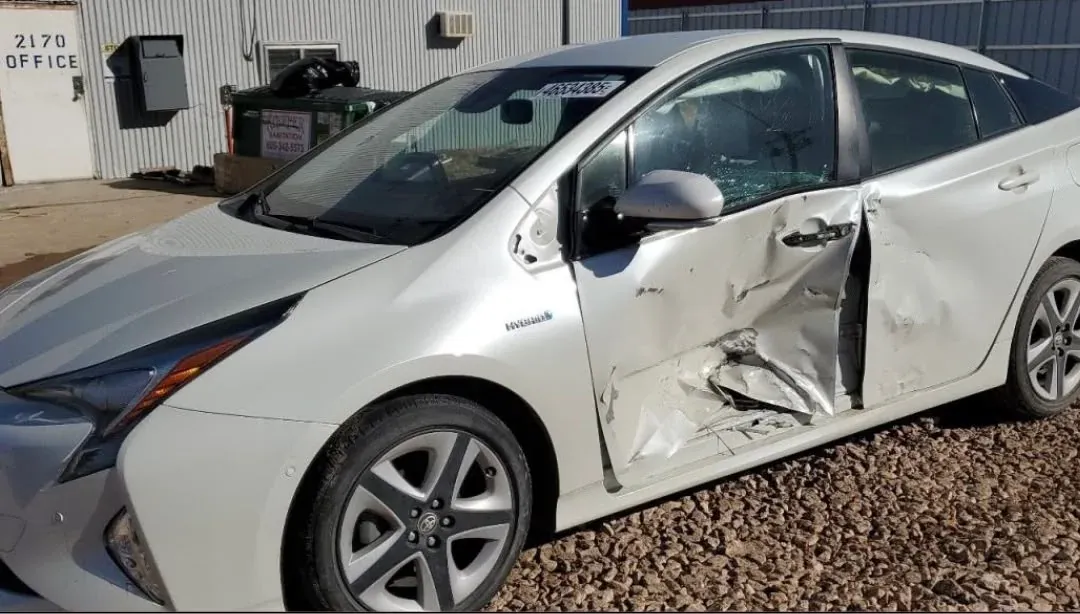
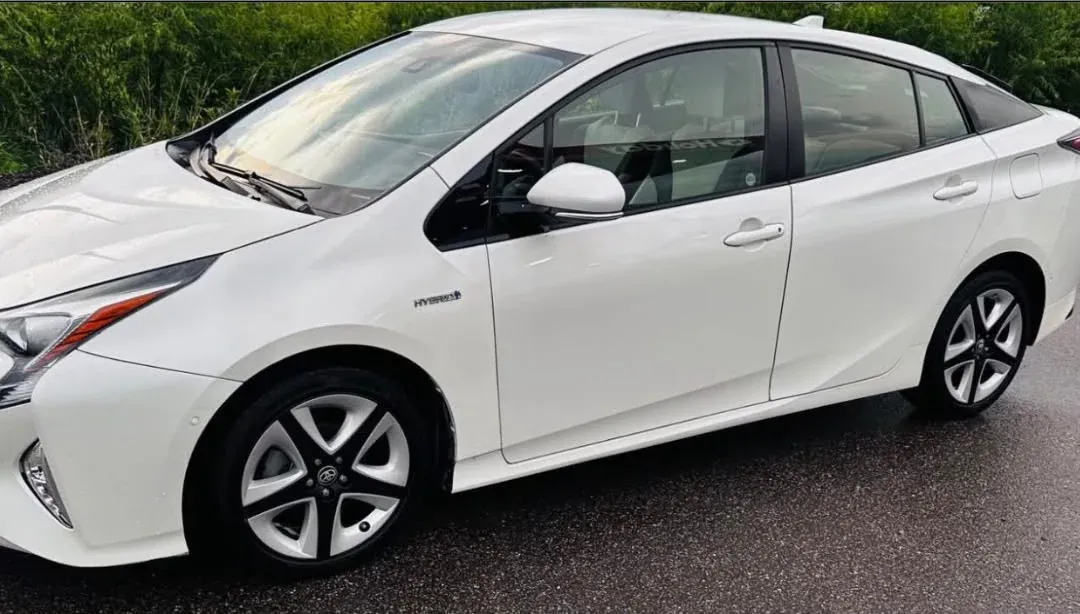
The inspection starts with fit, because fit is what a stranger notices from ten feet away. Panel gaps are compared against the undamaged side of the same vehicle, body lines are sighted down from front to back, and doors, hood, and tailgate are opened and closed to feel whether they land where they should. A gap that is even but wrong is still wrong. Factory gaps are not always symmetrical, which is why the reference is the other side of your own vehicle rather than a number in a book.
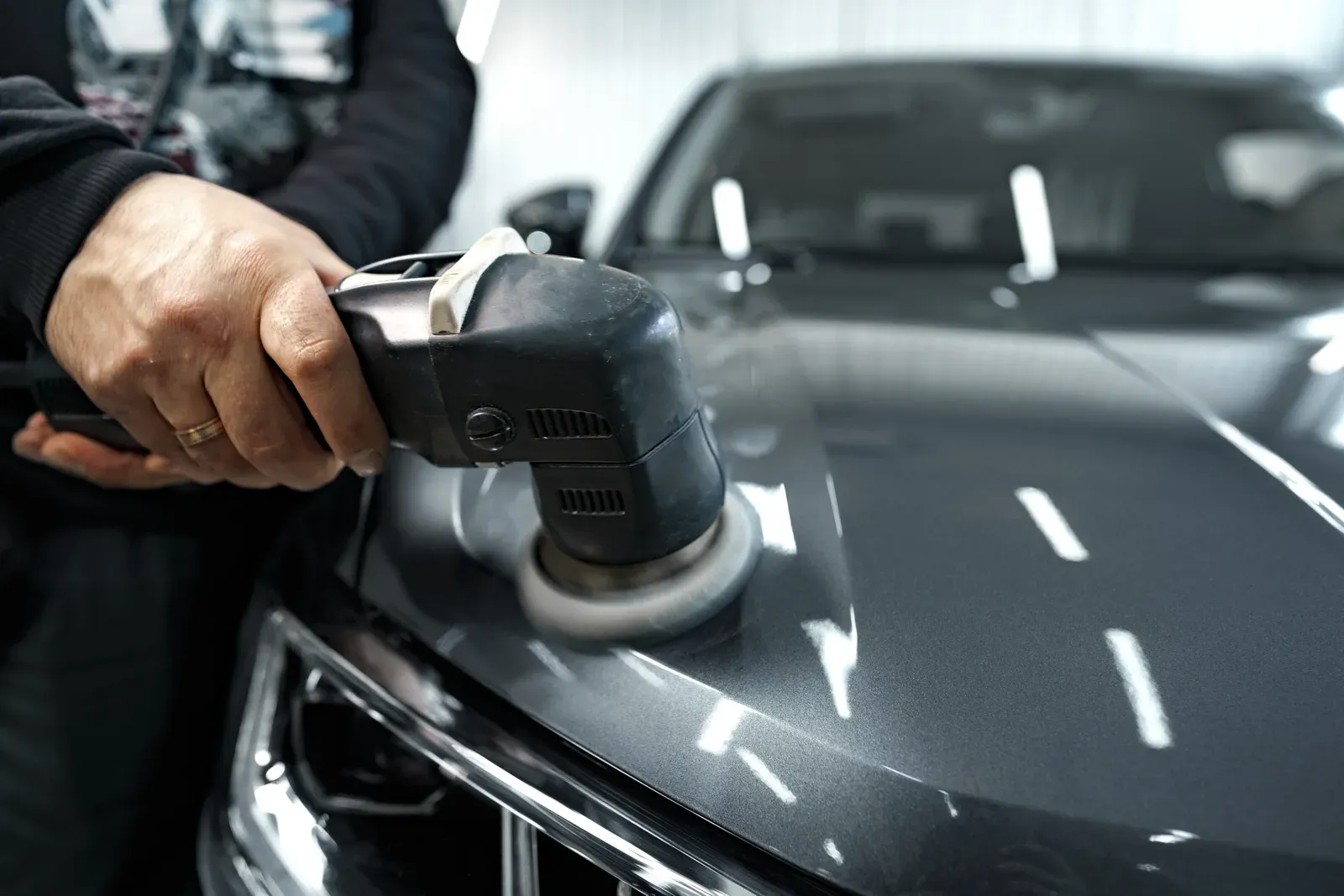
Then the finish, under direct light and from a low angle, because that is where texture, dirt inclusions, and gloss differences show themselves. Blend edges are checked from several positions — a match that holds head-on can separate at a walking angle. Anything that is not right goes back for correction rather than out the door with an apology attached to it. Fixing a flaw while the car is still in the shop is cheaper for everybody than booking it back in a week later.
Function, road test, and the parts you cannot see
Everything the repair disturbed gets verified. Lights and signals through their range, wipers and washers if the cowl area was involved, climate control if the front end came apart, driver-assist systems function-checked, and the vehicle scanned for stored codes. Seam sealer and corrosion protection are restored before anything closes up, because that is the part nobody can inspect later. Bare metal left inside a seam is how a repaired quarter panel starts bubbling three winters after the paint looked perfect.
The road test is short but it is not a formality. Tracking, braking, steering feel, and noise at speed reveal things a stationary check cannot — a bearing loaded in the collision, a clip that buzzes at 55, an alignment that drifts. Cars that had structural work get a longer loop, and the alignment is confirmed after the drive rather than before it. A vehicle that measured correctly on the frame machine can still want a final adjustment once the suspension has settled under its own weight.
- Panel gaps and body lines compared to the undamaged side
- Finish inspected in direct light and at a walking angle
- Seam sealer and corrosion protection restored before closing up
- Lights, wipers, climate control, and driver-assist systems checked
- Vehicle scanned for stored fault codes
- Road test, plus alignment confirmation after structural work
Handing the keys back
The vehicle is washed and the interior cleaned before you see it. A repaired car handed back with sanding dust on the dash tells you what the rest of the work was like. Then we walk it with you in daylight, at the panel, and point out what was replaced and what was repaired. If you would rather look at it for ten minutes with nobody hovering, that is fine too.
You leave with the final invoice listing every part and operation, the written warranty covering the paint for as long as you own the vehicle, and any documentation your insurance needs. Keep that invoice. It is the record behind a warranty claim later, it supports a diminished value claim now, and it is worth showing a buyer when you eventually sell. A documented, properly executed repair reads very differently to a buyer than an accident history with nothing attached to it.